
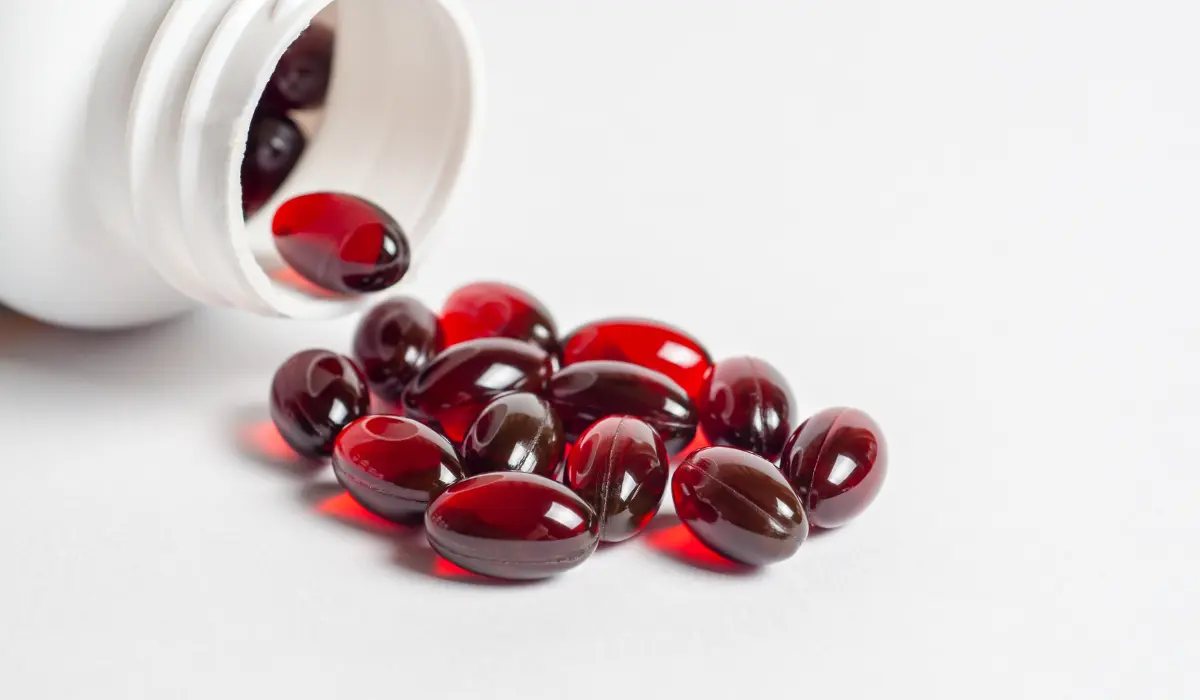
You might have heard of astaxanthin — it’s trending across the internet. Even space agencies like National Aeronautics and Space Administration are exploring its potential health benefits for astronauts exposed to harmful radiation.
Yes, we’re talking about the same compound that gives wild salmon and flamingos their unique pinkish hue. Astaxanthin is a carotenoid pigment widely known for its skin-supporting and antioxidant properties.
However, most people are still unaware of its broader health potential. This blog explores 6 lesser-known health benefits of astaxanthin.
What Exactly Is Astaxanthin?
Astaxanthin, often called the “king of carotenoids,” is known for its impressive antioxidant strength and unique molecular structure.
It naturally occurs in marine organisms and microalgae such as Haematococcus pluvialis. It is also found in seafood like Salmon and Shrimp, giving them their vibrant pink color.
What makes astaxanthin stand out is its exceptional antioxidant capacity. It helps protect cells from oxidative stress and inflammation — two major contributors to chronic diseases.
Compared to other carotenoids like beta-carotene and antioxidants such as vitamin C, astaxanthin is considered highly effective in neutralizing free radicals and reducing oxidative stress.
Lesser-Known Health Benefits of Astaxanthin
Let’s explore some benefits you may not have heard about.
1. Astaxanthin Enhances Eye Health
Carotenoids are well known for supporting eye health. Astaxanthin helps protect against ocular conditions such as age-related macular degeneration by reducing oxidative stress in the retina, especially the macula.
It may also help reduce eye strain in individuals who spend long hours in front of screens. Carotenoids like lutein and zeaxanthin work alongside astaxanthin to shield eyes from harmful blue light.
2. It Supports Heart Health
A healthy heart is essential for overall well-being. Astaxanthin may support cardiovascular health by reducing oxidative stress and lipid peroxidation in blood vessels.
It may help:
- Protect blood vessels from oxidative damage
- Support healthy blood pressure levels
- Promote balanced lipid levels
- Improve cardiac pump efficiency (as suggested in some studies)
These benefits collectively contribute to better heart function.
3. Astaxanthin Strengthens the Immune System
Thanks to its antioxidant and anti-inflammatory properties, astaxanthin may support immune system function.
It helps protect immune cells from damage caused by reactive oxygen species produced during oxidative stress. Some studies suggest it may help maintain a healthy immune response, particularly during intense physical stress such as endurance training.
4. Enhances Liver Health
The liver plays a vital role in metabolism and detoxification. Research suggests that astaxanthin may help reduce oxidative damage in liver tissues.
Some studies indicate potential benefits in lowering the risk of conditions like non-alcoholic fatty liver disease (NAFLD), liver fibrosis, and ischemic injury.
5. Promotes Healthy, Youthful Skin
Astaxanthin is widely recognized for its skin benefits. It helps protect the skin from UV-induced oxidative damage, which contributes to premature aging.
Research suggests that regular supplementation may:
- Improve skin moisture
- Reduce dryness
- Improve elasticity
- Reduce appearance of fine lines and wrinkles
- Support collagen synthesis
Its ability to protect cell membranes from oxidative stress makes it a strong ally for long-term skin health.
6. May Improve Exercise Performance
Astaxanthin may enhance workout performance by reducing muscle fatigue and improving endurance.
Research (including animal studies) suggests it may:
- Support glucose metabolism
- Improve fatty acid utilization
- Enhance muscular strength and stamina
- Reduce oxidative damage during exercise
- Support faster recovery
It is absorbed in the intestine with the help of fatty acids, which enhances its bioavailability.
Conclusion
Natural astaxanthin stands out as a powerful antioxidant with a wide range of potential health benefits. From supporting heart and liver health to promoting healthy skin, eyes, immunity, and exercise performance, its unique molecular structure allows it to deliver antioxidant protection throughout the body.
While research is still evolving, astaxanthin continues to show promise as a valuable dietary supplement for reducing oxidative stress and supporting overall well-being.
As always, consult a healthcare professional before starting any new supplement to ensure it suits your individual health needs.
Leave a Reply