

Hormones control almost every function in the body, from metabolism to reproductive health. They are chemical messengers that travel through the bloodstream and send signals to organs and tissues to perform their vital functions. Remember the mood swings and the unexpected crying — yes! These reactions are often influenced by hormonal changes.
The body functions best when hormones are balanced. Even minor fluctuations can result in noticeable physical, emotional, and mental changes.
Stress, poor diet, environmental toxins, and aging can disturb hormonal balance and, if not addressed long-term, may negatively impact overall health.
Understanding hormones and recognizing the signs of imbalance enables you to take preventive measures toward restoring balance. With proper medical guidance, lifestyle adjustments, and dietary modifications, hormone levels can be better managed to improve well-being.
What is Hormonal Imbalance?
Hormonal imbalance occurs when there is too much or too little of a hormone in the bloodstream. Since hormones regulate essential processes including metabolism, reproduction, mood, and energy levels, even slight imbalances can cause noticeable health concerns.
Depending on the cause and severity, hormonal imbalances can be temporary or chronic.
Causes of Hormonal Imbalance
Hormone imbalances can occur due to medical conditions, lifestyle habits, environmental exposure, genetics, and medications.
1. Medical Issues
Certain conditions can affect hormone levels, including diabetes, thyroid disorders, and Polycystic Ovary Syndrome (PCOS).
2. Lifestyle Factors
Daily habits play a major role in hormonal health:
- An unhealthy diet high in sugar, unhealthy fats, and processed foods can disrupt insulin and other hormones.
- Chronic stress increases cortisol, which interferes with sleep, metabolism, and reproductive hormones.
- Physical inactivity impacts hormonal balance. Regular exercise helps regulate insulin, cortisol, and endorphins.
3. Environmental Factors
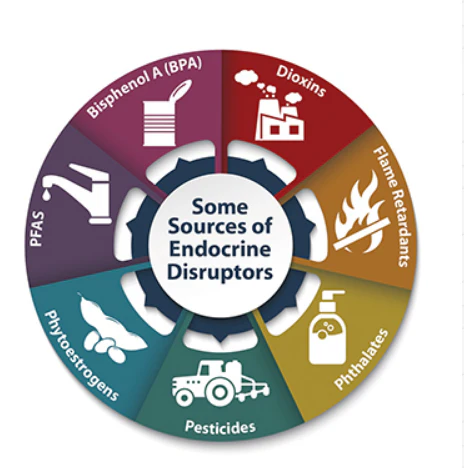
Endocrine-disrupting chemicals (EDCs) can interfere with natural hormone production and function. These chemicals are found in plastics, pesticides, personal care products, pollutants, and other toxins.
4. Genetic Conditions
Some people are born with genetic conditions that affect hormone levels, such as Turner syndrome or Prader-Willi syndrome.
5. Medications
Certain medications, including birth control pills, cancer treatments, and hormone replacement therapy (HRT), may influence hormone levels.
Recognizing the signs early can help you take action and restore balance.
The 7 Signs of Hormonal Imbalance — Pay Attention!
1. Unexplained Weight Gain or Difficulty Losing Weight
If you are eating well and exercising but still struggling with weight changes, hormones may be involved. Insulin, cortisol, thyroid hormones, and estrogen significantly impact metabolism and fat storage.
What to Do:
- Eat a balanced diet rich in fiber, lean protein, and healthy fats
- Limit refined carbohydrates and added sugars
- Exercise regularly (strength training + cardio)
- Manage stress through yoga or meditation
- Ensure adequate sleep
If weight issues persist, consult a doctor for thyroid and metabolic testing.
2. Fatigue and Low Energy
Constant exhaustion despite proper sleep may indicate thyroid, cortisol, insulin, or melatonin imbalance.
What to Do:
- Sleep 7–9 hours consistently
- Manage stress through relaxation techniques
- Reduce caffeine and alcohol
- Eat small, balanced meals to stabilize blood sugar
- Consult a professional if fatigue persists
3. Mood Changes, Anxiety, or Depression
Hormones such as estrogen, progesterone, testosterone, cortisol, and thyroid hormones influence mood. Fluctuations can contribute to irritability, anxiety, or low mood.
What to Do:
- Maintain regular meals
- Exercise consistently
- Practice mindfulness or therapy techniques
- Include omega-3, magnesium, and vitamin D in your diet
- Seek medical advice if symptoms interfere with daily life
4. Irregular or Painful Periods (for women)
Estrogen and progesterone regulate menstrual cycles. Imbalances can cause irregular, heavy, or painful periods.
What to Do:
- Track your cycle
- Eat hormone-supportive foods (leafy greens, nuts, seeds)
- Manage stress
- Limit excess alcohol and caffeine
- Consult a gynecologist if irregularities persist
5. Persistent Acne and Skin Problems
Elevated androgens (like testosterone) and cortisol can increase oil production and trigger acne, especially around the jawline and chin.
What to Do:
- Follow a gentle skincare routine
- Reduce high-glycemic and processed foods
- Stay hydrated
- Manage stress
- Include zinc and omega-3 in your diet
6. Sleep Problems and Insomnia
Melatonin regulates sleep, while cortisol, progesterone, and estrogen influence sleep quality. Imbalances can disrupt your sleep cycle.
What to Do:
- Maintain a consistent sleep schedule
- Avoid screens before bedtime
- Limit caffeine and alcohol
- Create a calm sleep environment
- Practice relaxation techniques
Consult a healthcare provider before starting any supplements.
7. Low Libido and Sexual Health Concerns
Testosterone, estrogen, cortisol, and DHEA play major roles in sexual health. Imbalances may reduce desire or cause discomfort.
What to Do:
- Manage stress
- Maintain a healthy weight
- Exercise regularly
- Prioritize sleep
- Eat healthy fats and zinc-rich foods
- Seek professional evaluation if symptoms persist
Conclusion
Recognizing the signs of hormonal imbalance is essential for maintaining overall health. Nutritious eating, regular activity, stress management, adequate sleep, and medical guidance can help restore balance naturally.
Understanding how hormones function empowers you to make informed lifestyle choices that support long-term wellness. If you notice persistent symptoms, consult a healthcare professional for proper evaluation and personalized care.
Recommended Reads
- Heart Health for Women Over 45: Can Tocotrienols Be the Rescuer?
- Stress Relief Vitamins: Who Should Take Vitamins for Stress Relief?
- 7 Signs You Have High Cortisol as a Mom
Disclaimer: The material provided in this article is for educational and informational purposes only and should not be used as a substitute for professional medical advice, diagnosis, or treatment. Always consult your healthcare provider regarding any medical concerns.
Leave a Reply