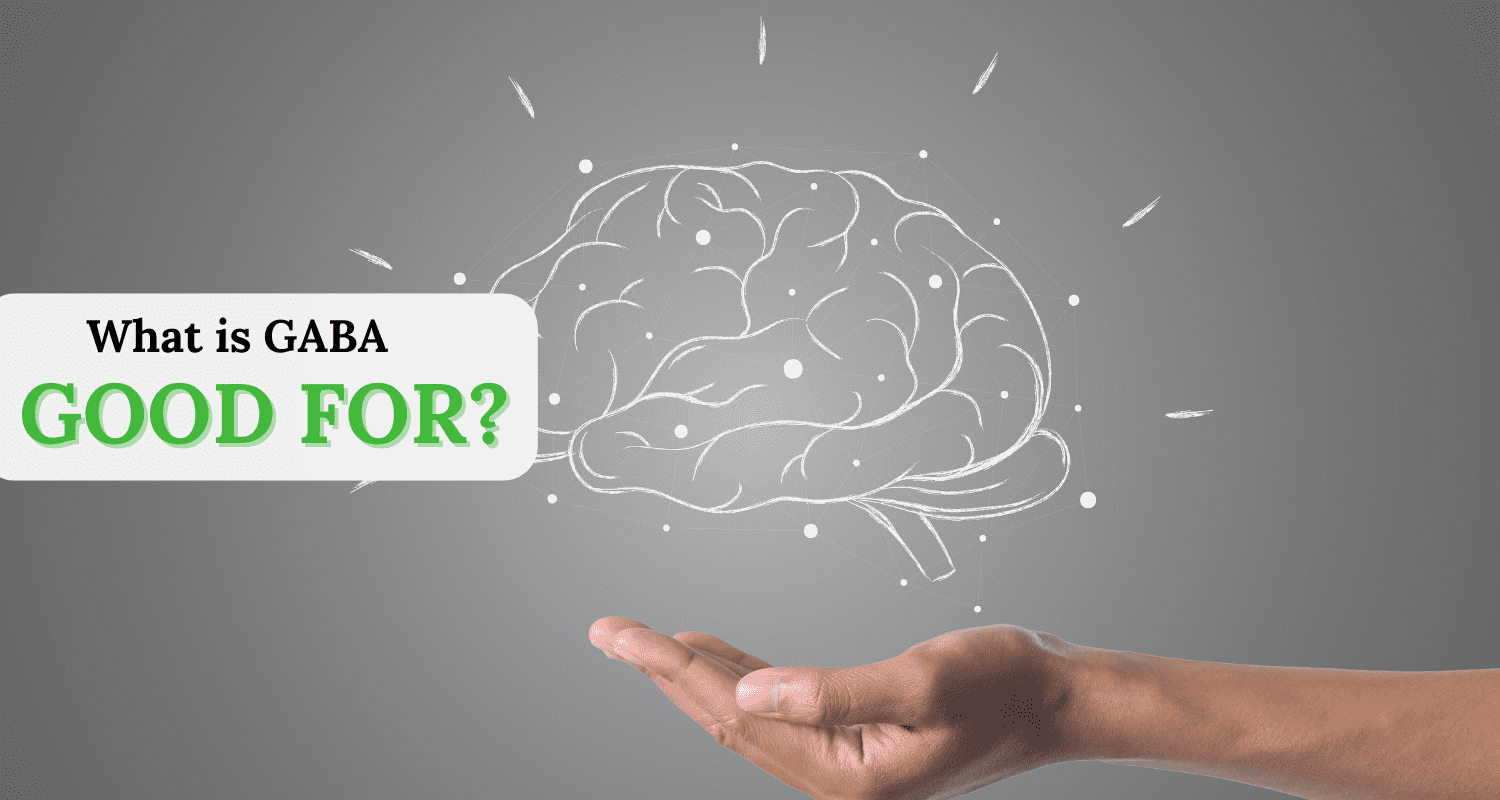
Did you know that GABA (gamma-aminobutyric acid) is one of the brain’s most important calming neurotransmitters?
This naturally occurring chemical messenger helps regulate nerve activity, reduce stress signals, and support restful sleep. Because of these effects, researchers continue exploring its potential role in anxiety management, sleep improvement, and neurological conditions.
In this article, we’ll explore what GABA is good for, how it works in the brain, and whether supplements are effective.
Key Takeaways
- GABA is a major inhibitory neurotransmitter that promotes relaxation.
- It helps reduce anxiety and stress by calming nerve activity.
- GABA plays an important role in regulating the sleep–wake cycle.
- Researchers are studying its potential role in autism spectrum disorder (ASD).
- GABA supplements are available, but medical advice is recommended before use.
What Is GABA? Understanding Its Role in the Brain
GABA (gamma-aminobutyric acid) is a neurotransmitter that slows down excessive brain activity. It helps maintain balance between excitatory signals (which stimulate the brain) and inhibitory signals (which calm the brain).
Key functions of GABA include:
- Supporting sleep regulation
- Reducing anxiety and stress
- Stabilizing mood
- Helping control nerve signaling
- Supporting cognitive function
By maintaining this balance, GABA helps the brain stay calm and focused rather than overstimulated.
GABA and Anxiety: How It Promotes Relaxation
One of the most studied benefits of GABA is its role in reducing anxiety.
GABA works by:
- Slowing nerve activity in the brain
- Blocking excessive stimulation from neurotransmitters like glutamate
- Enhancing calming neurotransmitters such as serotonin
Low GABA activity has been associated with:
- Generalized anxiety disorder
- Panic disorder
- Social anxiety symptoms
Because of this calming effect, some anti-anxiety medications work by increasing GABA activity in the brain.
GABA and Sleep: Supporting Restful Nights
Healthy sleep depends heavily on proper neurotransmitter balance—and GABA plays a major role.
GABA helps:
- Reduce time needed to fall asleep
- Improve sleep quality
- Promote deeper sleep cycles
- Regulate the sleep–wake rhythm
During sleep onset, GABA suppresses wake-promoting neurons, allowing the body to relax naturally.
People with insomnia sometimes have reduced GABA activity, which may explain sleep difficulties.
GABA and Autism Spectrum Disorder (ASD)
Researchers are investigating whether GABA signaling differences contribute to symptoms of autism spectrum disorder (ASD).
Early findings suggest GABA may influence:
- Social interaction ability
- Anxiety levels
- Sensory sensitivity
- Repetitive behaviors
However, more clinical research is needed before GABA-based therapies can be widely recommended.
Are GABA Supplements Effective?
GABA supplements are commonly marketed for:
- Stress relief
- Better sleep
- Mood support
But there’s an important scientific limitation:
Some studies suggest oral GABA supplements may not easily cross the blood–brain barrier, which means their effectiveness can vary between individuals.
Because of this:
Always consult a healthcare professional before starting supplementation—especially if taking medications or managing neurological conditions.
Possible Natural Ways to Support GABA Levels
Instead of supplements alone, lifestyle habits can support healthy GABA activity naturally:
Exercise
Regular physical activity improves neurotransmitter balance.
Sleep routine
Consistent sleep schedules strengthen brain signaling patterns.
Meditation and yoga
Both increase calming neurotransmitter activity.
Magnesium-rich foods
Examples include spinach, almonds, bananas, and whole grains.
Fermented foods
Such as yogurt, kimchi, and tempeh may support gut-brain signaling linked to GABA production.
Conclusion
So, what is GABA good for?
GABA plays a central role in calming the nervous system, improving sleep quality, and reducing anxiety symptoms. Researchers are also exploring its possible role in neurological conditions such as autism spectrum disorder.
While supplements are available, lifestyle strategies and professional guidance remain the safest approach for supporting healthy GABA function.
As research continues, GABA remains one of the most promising neurotransmitters for supporting mental wellness naturally.