Key Takeaways
- You can’t literally “unclog” arteries overnight, but diet can slow, stop, and even partially reverse plaque buildup over time.
- Foods rich in fiber, healthy fats, and antioxidants support heart health.
- A consistent, balanced diet is more effective than any single “superfood.”
- Lifestyle habits (exercise, sleep, stress control) amplify the benefits of a heart-healthy diet.
Can You Really “Unclog” Arteries With Food?
Let’s be honest—no single food will magically clear blocked arteries.
But research shows that the right diet can:
- reduce plaque buildup
- lower “bad” cholesterol (LDL)
- improve blood vessel function
- reduce inflammation
Organizations like the American Heart Association emphasize that long-term eating habits—not quick fixes—protect your heart.
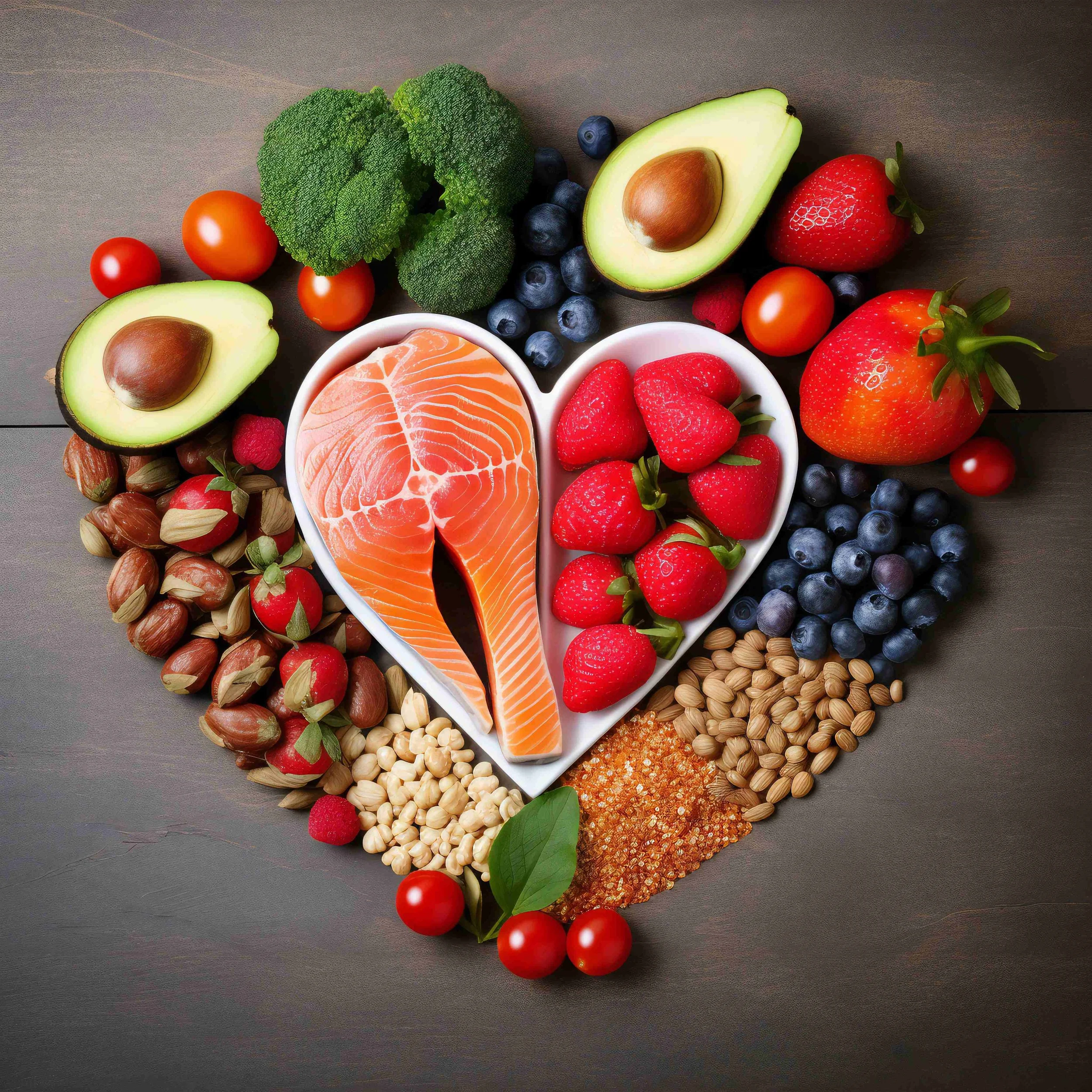
10 Best Foods for Artery Health
1. Fatty Fish (Salmon, Mackerel, Sardines)
Rich in omega-3 fatty acids, fatty fish help:
- reduce inflammation
- lower triglycerides
- improve blood vessel function
Aim for 2 servings per week.
2. Leafy Green Vegetables
Spinach, kale, and collard greens are loaded with:
- nitrates (help relax blood vessels)
- potassium
- antioxidants
These nutrients support healthy blood pressure and circulation.
3. Berries
Blueberries, strawberries, and raspberries contain powerful antioxidants like flavonoids.
Research links them to:
- reduced inflammation
- improved blood vessel function
- lower risk of heart disease
4. Nuts (Almonds, Walnuts)
Nuts provide:
- healthy fats
- fiber
- magnesium
They help lower LDL cholesterol and improve heart health.
Just keep portions moderate (a small handful daily).
5. Olive Oil
A staple of the Mediterranean diet, olive oil is rich in monounsaturated fats.
Benefits include:
- lowering bad cholesterol
- reducing inflammation
- supporting artery flexibility
6. Whole Grains
Foods like oats, brown rice, and quinoa are high in soluble fiber, which helps:
- reduce cholesterol absorption
- improve digestion
- stabilize blood sugar
Oats, in particular, contain beta-glucan—known to lower LDL levels.
7. Avocados
Avocados are packed with:
- heart-healthy fats
- potassium
- fiber
They can help lower LDL and raise “good” HDL cholesterol.
8. Beans and Legumes
Lentils, chickpeas, and black beans are excellent plant-based protein sources.
They’re rich in:
- fiber
- magnesium
- antioxidants
Regular intake is linked to improved cholesterol levels.
9. Tomatoes
Tomatoes contain lycopene, an antioxidant associated with:
- reduced artery plaque
- improved heart health
Cooking tomatoes (like in sauces) increases lycopene absorption.
10. Dark Chocolate (in Moderation)
Yes—this one surprises people.
Dark chocolate (70% cocoa or higher) contains flavonoids that may:
- improve blood flow
- reduce inflammation
Keep it moderate—about a small square a day.
Foods That Harm Your Arteries
Just as important as what you eat is what you limit.
Try to reduce:
- processed foods
- trans fats
- excessive sugar
- high-sodium meals
- sugary drinks
These contribute to inflammation and plaque buildup.
Eating Patterns Matter More Than Individual Foods
Instead of focusing on one “magic” food, follow an overall heart-healthy pattern like:
- Mediterranean-style eating
- plant-forward diets
- whole-food-based meals
Consistency is what makes the difference.
Lifestyle Habits That Boost Results
Diet works best when combined with:
- regular exercise (150 minutes/week)
- maintaining a healthy weight
- good sleep (7–9 hours)
- stress management
Together, these habits can significantly reduce heart disease risk.
When to Talk to a Doctor
Diet can help—but it’s not a replacement for medical care.
Speak with a healthcare provider if you have:
- high cholesterol
- high blood pressure
- diabetes
- family history of heart disease
They may recommend tests or treatments alongside lifestyle changes.
Final Thoughts
There’s no instant fix to “unclog” arteries—but the foods you eat every day can either protect or harm your heart.
By focusing on:
- whole foods
- healthy fats
- fiber-rich choices
you can support your arteries, improve circulation, and reduce your risk of heart disease over time.