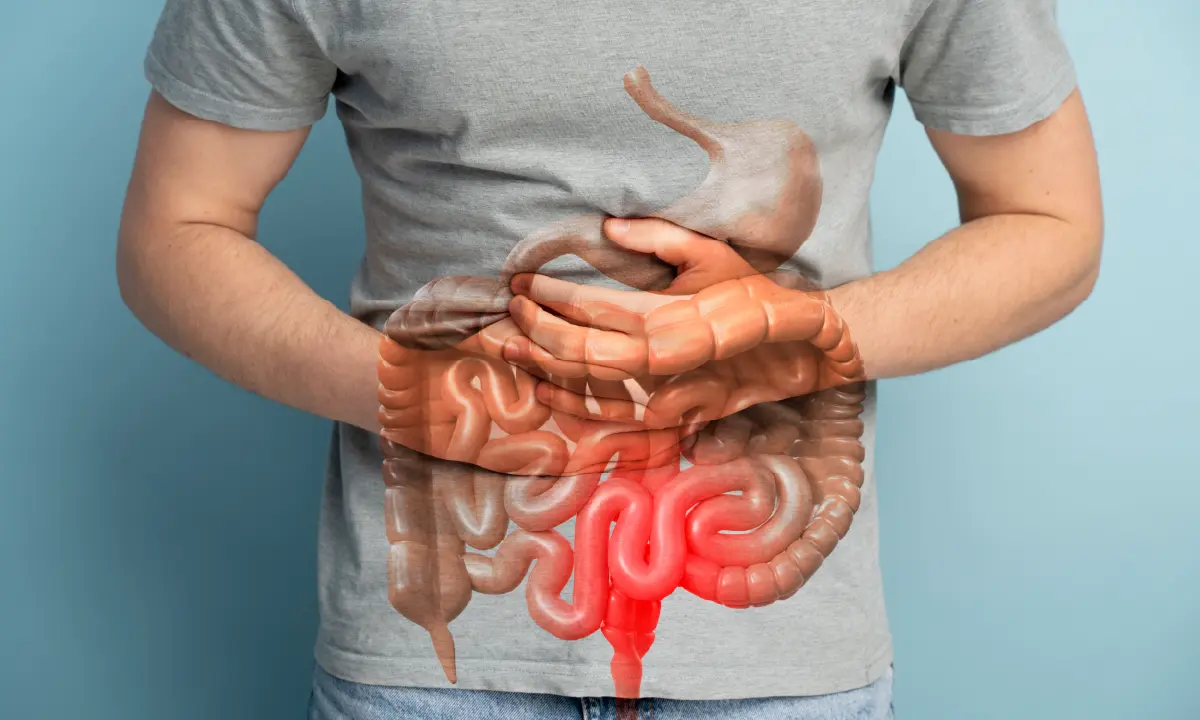
Have you ever had a “gut feeling” that something wasn’t right — literally?
Your gut does far more than digest food. It influences your energy levels, immune defenses, mood, sleep quality, and even your skin. Yet most people don’t think about gut health until something feels off.
If you’re dealing with bloating, fatigue, cravings, or skin flare-ups, your digestive system may be trying to get your attention.
Let’s break down the 10 common signs of an unhealthy gut — and what you can do to support better balance.
The 10 Signs of an Unhealthy Gut
Your gut is home to trillions of microorganisms (collectively called the gut microbiome). When that ecosystem becomes imbalanced, symptoms can show up in surprising ways.
1. Frequent Bloating and Gas
Occasional gas is normal. But feeling bloated after most meals or experiencing persistent discomfort may suggest issues with digestion, fiber fermentation, or microbial imbalance.
Myth Buster: Bloating isn’t always caused by overeating. It can also relate to how your gut processes carbohydrates and certain fibers.
2. Irregular Bathroom Habits
Constipation, diarrhea, or inconsistent bowel movements may signal digestive imbalance.
While frequency varies, many healthcare providers consider anywhere from three times per week to three times per day within normal range — as long as stools are comfortable and easy to pass.
3. You Get Sick Frequently
About 70% of the immune system is associated with the gut. The gut microbiome helps regulate immune responses and inflammation.
4. Persistent Sugar Cravings
Some research suggests certain gut bacteria thrive on sugar and may influence cravings through gut-brain signaling pathways.
Diets high in added sugars may reduce microbial diversity and encourage less beneficial strains to grow.
5. Constant Fatigue
If you’re sleeping 7–8 hours but still feel drained, poor nutrient absorption or low-grade inflammation in the gut may play a role.
Emerging research links gut dysbiosis (microbial imbalance) with fatigue-related symptoms in some individuals.
6. Skin Flare-Ups
Acne, eczema, rosacea, or unexplained irritation may sometimes reflect internal inflammation.
Researchers call this relationship the gut-skin axis — the communication network between gut microbes, immune function, and skin health.
7. Mood Changes or Increased Anxiety
The gut is often called the “second brain.” It communicates with your central nervous system through the gut-brain axis.
The majority of the body’s serotonin — a neurotransmitter involved in mood regulation — is produced in the gut.
8. Trouble Sleeping
The gut microbiome influences melatonin production and circadian rhythm signaling.
Disruptions in gut health may affect sleep quality, and poor sleep can further disrupt the microbiome — creating a feedback loop.
9. Persistent Bad Breath
If brushing and flossing don’t fix chronic bad breath, digestive issues like acid reflux (GERD) or microbial imbalance may contribute.
Researchers sometimes refer to interactions between oral and gut bacteria as the oral-gut axis.
10. New Food Sensitivities
If foods you once tolerated now cause bloating or discomfort, it may indicate temporary digestive disruption.
Food sensitivities are not the same as food allergies. They may relate to changes in gut barrier function or microbial diversity.
What You Can Do: 5 Gut-Friendly Habits
The good news? Supporting your gut doesn’t require extreme measures. Small, consistent changes can make a meaningful difference.
1. Increase Fiber Intake
Fiber feeds beneficial gut bacteria.
Focus on:
- Oats
- Lentils
- Leafy greens
- Chia seeds
- Berries
- Beans
2. Consider Probiotics (If Appropriate)
Probiotics are live microorganisms that may support microbial balance.
They may be helpful after antibiotic use or during digestive disruptions. However, not all probiotics work the same way — strains matter.
3. Reduce Added Sugar and Ultra-Processed Foods
You don’t have to eliminate everything — but reducing added sugars can support microbial diversity.
Small swaps make a difference:
- Sparkling water instead of soda
- Nuts instead of chips
- Whole foods over packaged snacks
4. Manage Stress
Chronic stress alters gut motility, microbial balance, and inflammation levels.
Try:
- Deep breathing exercises
- Walking outdoors
- Gentle yoga
- Meditation
- Consistent relaxation time
5. Prioritize Sleep
Aim for 7–9 hours per night.
The Bottom Line
Your body sends signals long before major problems develop.
Bloating, fatigue, mood shifts, skin issues, and cravings aren’t random annoyances — they may be clues that your gut needs attention.
Supporting gut health through fiber, sleep, stress management, and balanced nutrition may help you feel better from the inside out.
You don’t need a complete lifestyle overhaul.
Start small. Stay consistent. Let your gut recover.