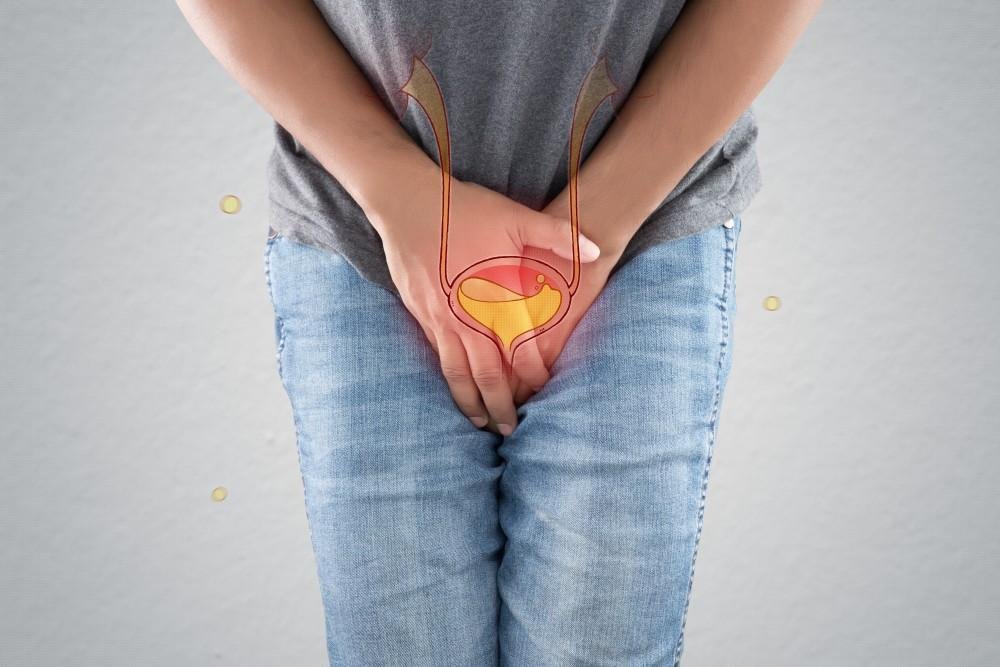
Leaking urine isn’t something most men talk about—but it’s more common than you think.
Whether it’s a small leak when you cough or a sudden urge you can’t control, urinary incontinence can affect confidence, sleep, and daily life. The good news? It’s not something you just have to “live with.”
Key Takeaways
- Urinary incontinence is loss of bladder control
- Common causes include prostate issues, aging, and nerve damage
- There are multiple types—each with different treatments
- Exercises, lifestyle changes, and medical options can help
- Early diagnosis leads to better outcomes
What Is Urinary Incontinence?
Urinary incontinence is the unintentional loss of urine. It can range from occasional drips to complete loss of bladder control.
According to the Urology Care Foundation, millions of men in the U.S. experience some form of incontinence—especially as they age.
Common Causes in Men
In men, incontinence is often linked to underlying physical changes or conditions.
1. Prostate Problems
The prostate plays a major role in urinary control.
- Enlarged prostate (BPH) can block urine flow
- Prostate surgery (especially for cancer) can weaken bladder control
2. Nerve Damage
Conditions like diabetes, stroke, or spinal injuries can disrupt the signals between your brain and bladder.
3. Overactive Bladder
With Overactive bladder, the bladder contracts suddenly, causing urgent leaks.
4. Aging
As muscles weaken with age, bladder control may decline.
5. Lifestyle Factors
Certain habits can make symptoms worse:
- Excess caffeine or alcohol
- Smoking (chronic coughing increases pressure)
- Obesity
Types of Urinary Incontinence
Understanding the type helps guide treatment.
1. Stress Incontinence
Leakage happens during physical pressure:
- Coughing
- Sneezing
- Lifting
👉 Common after prostate surgery.
2. Urge Incontinence
A sudden, intense urge followed by leakage.
Often linked to bladder overactivity.
3. Overflow Incontinence
Your bladder doesn’t empty fully, causing constant dribbling.
4. Functional Incontinence
Physical or mobility issues prevent you from reaching the bathroom in time.
Symptoms to Watch For
- Leaking urine during activities
- Sudden, uncontrollable urges
- Frequent urination (including at night)
- Weak urine stream
- Feeling like your bladder isn’t empty
If these sound familiar, it’s worth getting checked.
What Actually Helps? (Effective Treatment Options)
The right treatment depends on the cause and type—but many men see major improvement.
1. Pelvic Floor Exercises
Kegel exercises aren’t just for women—they’re highly effective for men too.
They strengthen the muscles that control urination and can significantly reduce leaks.
2. Bladder Training
This involves:
- Delaying urination gradually
- Scheduling bathroom visits
It helps improve bladder control over time.
3. Lifestyle Changes
Simple habits can make a big difference:
- Limit caffeine and alcohol
- Maintain a healthy weight
- Quit smoking
- Stay physically active
4. Medications
Doctors may prescribe medications to:
- Relax bladder muscles
- Improve urine flow
- Reduce urgency
Guidelines from the American Urological Association support medication use for many types of incontinence.
5. Medical Devices
Options may include:
- Urethral inserts
- External collection devices
6. Surgery (For Severe Cases)
When other treatments don’t work:
- Sling procedures
- Artificial urinary sphincter
These can restore significant control.
When to See a Doctor
Don’t ignore symptoms if:
- Leaks are frequent or worsening
- You have pain or blood in urine
- It affects your sleep or daily life
- You’ve had prostate surgery
Early treatment can prevent complications and improve quality of life.
The Bottom Line
Urinary incontinence in men is more common than most people realize—and it’s highly treatable.
What feels embarrassing is actually a medical condition with real solutions.
You don’t have to manage it alone—and you don’t have to accept it as “normal aging.”