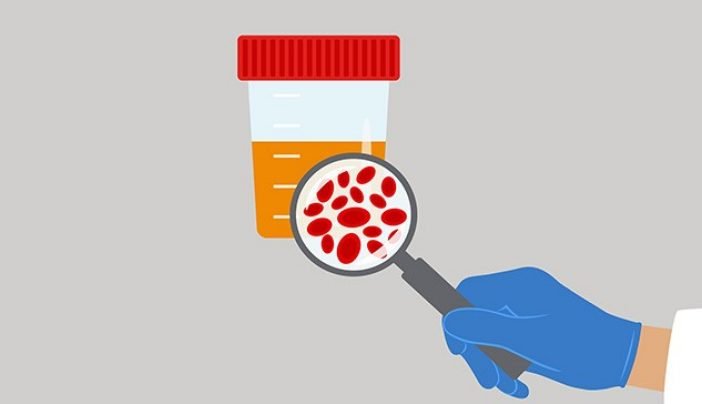
Seeing blood in your urine can be alarming—and for good reason. Medically known as Hematuria, this symptom can range from harmless to potentially serious. The key is knowing what it might mean and when to take action.
What Does Blood in Urine Look Like?
Blood in urine isn’t always obvious. There are two main types:
- Visible (gross hematuria): Urine appears pink, red, or cola-colored
- Invisible (microscopic hematuria): Only detected through lab testing
Even if you can’t see it, microscopic blood can still signal an underlying issue.
Common Causes (Some Are Less Serious Than You Think)
Not every case of blood in urine means something dangerous. Here are some common causes:
1. Urinary Tract Infections (UTIs)
A Urinary Tract Infection can irritate the bladder lining, causing bleeding.
Other signs: burning, urgency, cloudy urine
2. Kidney Stones
Kidney Stones can scrape the urinary tract as they move.
Other signs: severe side/back pain, nausea
3. Intense Exercise
Sometimes called “runner’s hematuria,” strenuous workouts can temporarily cause blood in urine.
4. Medications
Certain drugs like blood thinners (e.g., Aspirin) can increase bleeding risk.
Causes That Need More Attention
Some underlying conditions are more serious and require prompt medical evaluation:
1. Bladder or Kidney Infections
Untreated infections can worsen and spread.
2. Enlarged Prostate (Men)
Benign Prostatic Hyperplasia can lead to urinary issues and bleeding.
3. Kidney Disease
Conditions affecting kidney filters may cause microscopic bleeding.
4. Cancer (Rare but Important)
Blood in urine can be an early sign of:
- Bladder cancer
- Kidney cancer
This is why it should never be ignored—especially in adults over 40.
When Should You Be Concerned?
Seek medical attention if you notice:
- Blood in urine without pain
- Persistent or recurring episodes
- Clots in urine
- Accompanying symptoms like weight loss, fatigue, or fever
Even one episode of visible blood is enough reason to consult a doctor.
How Doctors Diagnose the Cause
Your healthcare provider may recommend:
- Urine tests
- Blood tests
- Imaging (CT scan or ultrasound)
- Cystoscopy (examining the bladder)
These help pinpoint the exact cause and guide treatment.
What You Can Do Right Now
While waiting for evaluation:
- Stay well hydrated
- Avoid strenuous exercise temporarily
- Track symptoms (color, frequency, pain)
But don’t try to self-diagnose—this symptom needs proper medical review.
The Bottom Line
Blood in urine isn’t something to panic about—but it’s also not something to ignore. In many cases, the cause is treatable and not serious. However, it can also be an early warning sign of more significant health issues.
The smartest move? Get it checked early. It’s one of those symptoms where acting quickly can make all the difference.