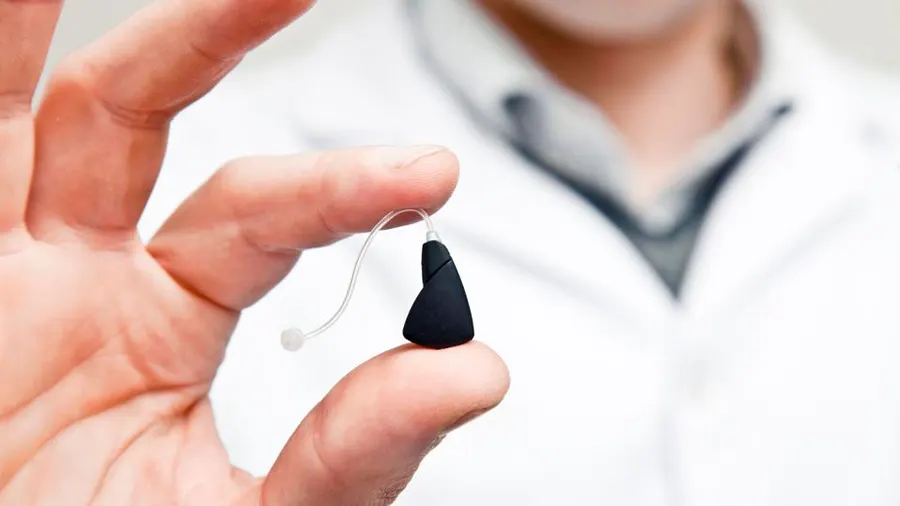
Hearing loss is more common than most people think—and it’s happening earlier, too. By 2026, hearing technology has evolved fast, giving people more choices than ever. But with that comes confusion: Should you go for over-the-counter (OTC) hearing aids or prescription devices?
Here’s a clear, no-nonsense breakdown to help you decide what’s actually worth your money and your hearing health.
Why Hearing Aids Matter More Than Ever
Hearing loss isn’t just about missing conversations. Research from organizations like the National Institute on Deafness and Other Communication Disorders shows it’s linked to:
- Cognitive decline
- Social isolation
- Increased risk of depression
- Higher chances of falls in older adults
Treating hearing loss early can significantly improve quality of life—and that’s where choosing the right hearing aid matters.
What Are OTC Hearing Aids?
OTC (over-the-counter) hearing aids became widely available after FDA approval in recent years. They’re designed for adults with mild to moderate hearing loss.
Key Features:
- No prescription or hearing test required
- Available online or in stores
- Lower cost (typically $200–$1,500 per pair)
- Self-fitting via apps
Pros:
- Affordable and accessible
- Quick to get started
- Good for early-stage hearing loss
Cons:
- Limited customization
- Not suitable for severe hearing loss
- No professional guidance
What Are Prescription Hearing Aids?
Prescription hearing aids are fitted by licensed audiologists after a full hearing evaluation.
Key Features:
- Customized to your specific hearing profile
- Professionally fitted and adjusted
- Advanced noise filtering and speech clarity
Pros:
- Best sound quality and personalization
- Ongoing professional support
- Works for mild to severe hearing loss
Cons:
- Expensive ($2,000–$6,000+ per pair)
- Requires appointments and follow-ups
OTC vs Prescription: The Real Differences
| Feature | OTC Hearing Aids | Prescription Hearing Aids |
|---|---|---|
| Cost | Low | High |
| Customization | Basic | Advanced |
| Hearing Loss Level | Mild–Moderate | Mild–Severe |
| Professional Support | None | Full support |
| Setup | DIY | Audiologist-guided |
What Actually Works (Based on Research)
According to studies published in journals like the JAMA and reports from the National Institutes of Health:
- OTC hearing aids can be effective for mild hearing loss, especially when users follow setup instructions carefully
- Prescription devices consistently deliver better outcomes for complex or severe hearing issues
- Early intervention (even with OTC devices) improves long-term hearing health
Which One Should You Choose?
Go for OTC if:
- You struggle in conversations but can still hear most sounds
- You want a budget-friendly option
- You’re comfortable using apps and adjusting settings yourself
Choose Prescription if:
- You frequently miss words, even in quiet settings
- You have ringing in your ears (tinnitus)
- You need advanced features like directional microphones
- You want expert guidance
What Most People Get Wrong
Mistake #1: Waiting too long
Hearing loss often develops gradually. Ignoring it can make treatment less effective later.
Mistake #2: Buying the cheapest option blindly
Not all OTC devices are equal. Poor-quality ones can actually worsen your experience.
Mistake #3: Skipping a hearing test
Even if you choose OTC, getting a baseline hearing test is a smart move.
What’s New in 2026?
Hearing aids today are more advanced than ever:
- AI-powered noise filtering
- Bluetooth streaming for calls and music
- Rechargeable batteries lasting all day
- Nearly invisible designs
Some OTC models now rival older prescription devices—but premium prescription aids still lead in complex environments (like crowded rooms).
Bottom Line
There’s no one-size-fits-all answer.
- OTC hearing aids are a great entry point for mild hearing loss and budget-conscious users
- Prescription hearing aids remain the gold standard for personalized, high-performance hearing care
If you’re unsure, start with a hearing check. The right choice isn’t just about cost—it’s about how well you can hear, communicate, and live your daily life.