
Menopause marks the natural end of a woman’s reproductive years, typically occurring between ages 45–55. During this transition, the ovaries stop releasing eggs and levels of estrogen and progesterone decline. These hormonal changes can lead to a wide range of physical and emotional symptoms.
While some women move through menopause with minimal discomfort, others experience moderate to severe symptoms that may last several years — sometimes even close to a decade.
Understanding what’s happening in your body is the first step toward managing this phase with confidence.
Quick Update: What Recent Research Says
- A 2023 study from UVA Health and Flo Health reported that over half (55.4%) of women aged 30–35 already report moderate to severe menopause-related symptoms. That number increases to 64.3% in women aged 36–40.
- According to updated findings from the SWAN study (2024), vasomotor symptoms such as hot flashes last an average of 7.4 years.
Common Symptoms of Menopause
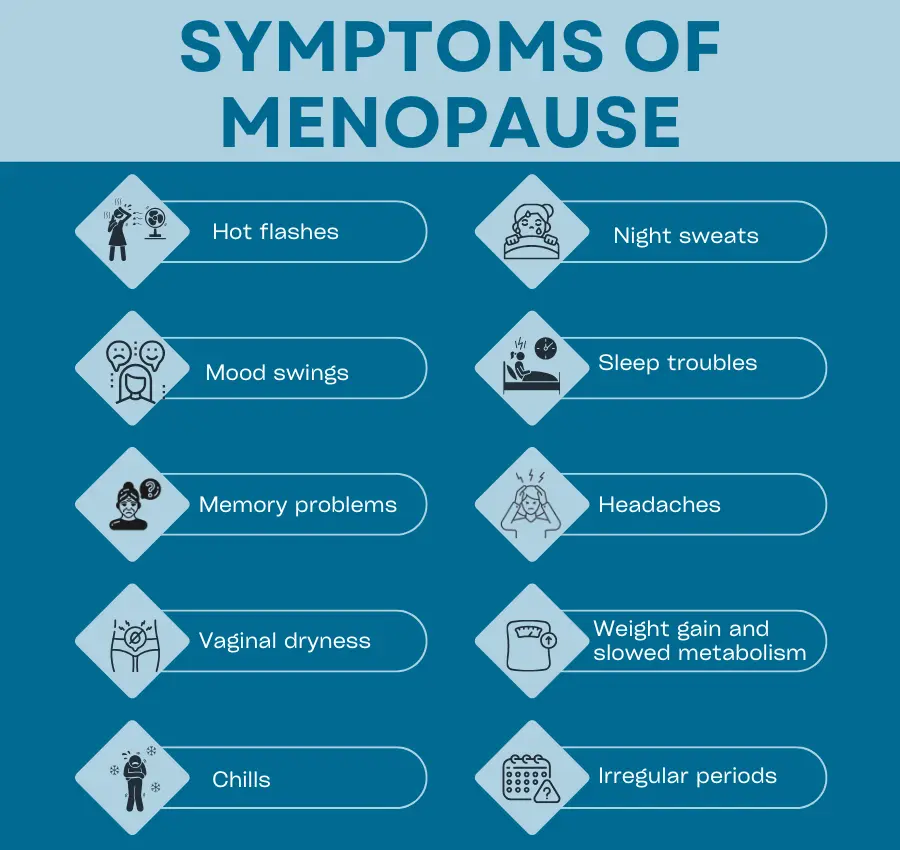
Symptoms often begin during perimenopause, the transition phase before menopause. They may include:
- Hot flashes
- Night sweats
- Mood swings
- Sleep disturbances
- Memory concerns or “brain fog”
- Headaches
- Vaginal dryness
- Joint pain
- Changes in libido
8 Menopause Self-Care Practices
Lifestyle adjustments are often the first line of support for managing menopause symptoms naturally.
1. Nourish to Flourish
A balanced, nutrient-dense diet plays a central role in symptom management.
Focus on:
- Whole fruits and vegetables
- Lean proteins
- Whole grains
- Legumes
- Healthy fats (olive oil, nuts, seeds)
A Mediterranean-style diet may support heart health and overall well-being during menopause.
Additional tips:
- Include calcium and vitamin D to support bone health.
- Increase protein intake to help preserve muscle mass.
- Limit caffeine, alcohol, processed foods, and excess sugar if they trigger symptoms.
- Avoid skipping meals, as irregular eating may impact metabolism and weight stability.
2. Stay Well Hydrated
Declining estrogen can contribute to dryness and dehydration.
- Aim for 8–12 glasses of water daily.
- Cold water may temporarily help regulate body temperature.
- Keeping water nearby at night may help manage nighttime discomfort.
3. Keep Your Body Moving
Regular physical activity supports heart health, mood, bone density, and sleep.
Recommended activities:
- Brisk walking
- Strength training
- Yoga or Pilates
- Resistance exercises
Strength training is particularly important for preserving bone density and reducing osteoporosis risk.
4. Maintain Social Connections
Hormonal changes can influence emotional well-being.
- Stay connected with friends and family.
- Talk openly about your experiences.
- Engage in hobbies or journaling.
- Schedule regular “me time.”
5. Prioritize Quality Sleep
Sleep disturbances are common during menopause.
Helpful habits:
- Maintain a cool, comfortable bedroom environment.
- Reduce screen exposure 30–60 minutes before bed.
- Use breathable bedding.
- Practice relaxation techniques.
CBT-I: A Natural Sleep Strategy
A 2024 study found that Cognitive Behavioral Therapy for Insomnia (CBT-I) improved sleep quality and reduced nighttime wakefulness in menopausal women, with benefits lasting up to six months.
6. Stay Cool
To manage hot flashes and night sweats:
- Wear breathable fabrics like cotton or linen.
- Dress in removable layers.
- Choose lightweight bedding.
- Stay hydrated throughout the day.
7. Manage Stress Effectively
Stress can intensify symptoms.
Helpful strategies include:
- Deep breathing exercises
- Meditation
- Gentle movement
- Journaling
- Time in nature
8. Support Hormonal Balance Thoughtfully
If symptoms are severe, discuss options with a healthcare provider.
Medical Options
- Hormone Replacement Therapy (HRT): Replaces estrogen and/or progesterone. Available as pills, patches, or creams. Not suitable for everyone.
- Cognitive Behavioral Therapy (CBT): Helpful for mood symptoms and hot flashes.
- Clinical hypnosis: Some evidence suggests it may reduce vasomotor symptoms.
Common Supplements (Research Varies)
Some women explore supplements for symptom support. Evidence ranges from moderate to limited.
- Black Cohosh
- Soy Isoflavones
- Red Clover
- Maca Root
- Chaste Tree Berry
- Evening Primrose Oil
- Vitamin E
- Ashwagandha
Geranylgeraniol (GG) has been discussed for its role in vitamin K2 synthesis and bone health support, though more research is needed.
Always consult a healthcare provider before starting supplements, especially if you have underlying conditions.
The Bottom Line
Menopause is not the end of vitality — it’s a transition into a new chapter.
With proper nutrition, regular movement, stress management, hydration, sleep care, and informed medical guidance, many women navigate menopause with resilience and strength.
Disclaimer: This content is for informational purposes only and is not intended as medical advice. Always consult a qualified healthcare professional for personalized guidance.