Cervical Cancer was once one of the leading causes of cancer deaths among women in the United States. Today, thanks to screening and vaccination, many cases can be prevented or detected early when treatment is most effective.
The two most powerful tools for prevention are:
- The HPV vaccine
- Regular cervical cancer screening
Understanding how these work can help reduce risk and improve long-term health.
What Is Cervical Cancer?
The cervix is the lower part of the uterus that connects to the vagina.
Cervical cancer develops when abnormal cells in the cervix grow uncontrollably over time.
In most cases, cervical cancer develops slowly, often passing through precancerous stages before becoming invasive cancer.
This long development period is one reason screening is so effective.
The Main Cause: HPV Infection
The vast majority of cervical cancers are linked to:
Human Papillomavirus Infection (HPV)
HPV is extremely common.
Most sexually active people will be exposed to HPV at some point in their lives.
In many cases:
- The immune system clears the infection naturally
- No symptoms occur
- No long-term problems develop
However, certain high-risk HPV types can persist and eventually lead to cervical cancer.
What Is the HPV Vaccine?
The HPV vaccine helps protect against HPV types most commonly associated with:
- Cervical cancer
- Several other HPV-related cancers
- Genital warts
The vaccine used in the United States is:
Gardasil 9
It protects against multiple HPV strains, including those responsible for most cervical cancer cases.
Who Should Get the HPV Vaccine?
Current recommendations generally include:
Routine Vaccination
- Boys and girls around ages 11–12
Catch-Up Vaccination
- Many adolescents and young adults who were not vaccinated earlier
Some adults may also benefit from vaccination after discussing risks and benefits with their healthcare provider.
Vaccination works best before exposure to HPV occurs.
Is the HPV Vaccine Safe?
Extensive research and monitoring have found the HPV vaccine to have a strong safety profile.
Common side effects include:
- Arm soreness
- Mild fever
- Fatigue
- Headache
Serious adverse reactions are considered uncommon.
Why Vaccination Doesn’t Eliminate the Need for Screening
Even vaccinated individuals still need recommended cervical cancer screening.
This is because:
- The vaccine does not protect against every HPV type
- Screening can identify abnormal cells before cancer develops
Vaccination and screening work best together.
What Is a Pap Smear?
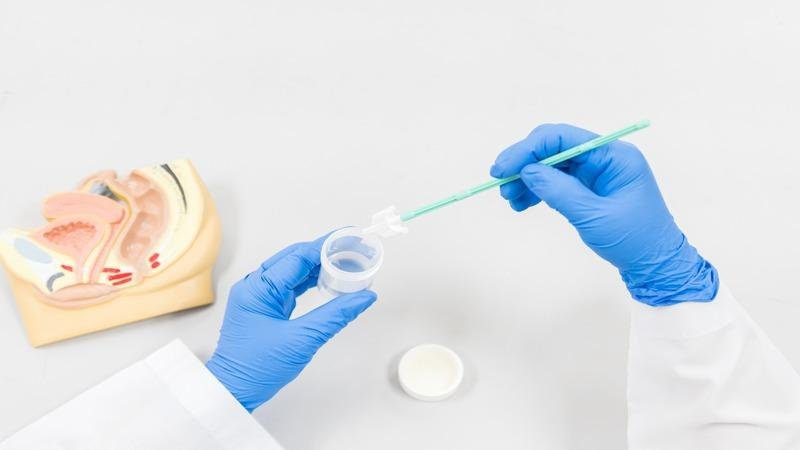
A Pap smear (also called a Pap test) is a screening procedure that checks for abnormal cervical cells.
During the test:
- A healthcare provider collects a small sample of cells from the cervix
- The cells are examined in a laboratory
The goal is to detect abnormalities before they become cancer.
What Is HPV Testing?
Many screening programs now include:
HPV Test
HPV testing looks for high-risk HPV strains associated with cervical cancer.
Depending on age and clinical guidelines, screening may involve:
- Pap testing alone
- HPV testing alone
- Both tests together
How Often Should Screening Be Done?
Screening recommendations vary based on:
- Age
- Medical history
- Previous test results
- Individual risk factors
Because guidelines can change over time, it is important to follow current recommendations from your healthcare provider.
What Happens If an Abnormal Result Is Found?
An abnormal result does not automatically mean cancer.
Many abnormal findings reflect:
- Temporary HPV infection
- Mild cellular changes
- Precancerous changes that are highly treatable
Additional testing may include:
- Repeat screening
- Colposcopy (a closer examination of the cervix)
- Biopsy when necessary
Risk Factors for Cervical Cancer
Several factors may increase risk, including:
- Persistent high-risk HPV infection
- Smoking
- Weakened immune systems
- Lack of regular screening
- Certain long-term HPV infections
Regular screening helps detect problems regardless of risk level.
Symptoms Can Be Absent for Years
Early cervical cancer often causes:
- No symptoms
As disease progresses, possible symptoms may include:
- Abnormal vaginal bleeding
- Bleeding after intercourse
- Pelvic pain
- Unusual vaginal discharge
These symptoms can also have non-cancerous causes, but they should be medically evaluated.
Why Early Detection Matters
When cervical abnormalities are found early:
- Treatment is often simpler
- Outcomes are generally better
- Cancer may be prevented entirely
This is one of the major successes of preventive medicine.
Common Myths About Cervical Cancer Prevention
Myth: “I got the HPV vaccine, so I don’t need screening.”
False. Screening remains important even after vaccination.
Myth: “A normal Pap smear means I can never get cervical cancer.”
False. Ongoing screening is important because risk changes over time.
Myth: “HPV infection means cancer is inevitable.”
False. Most HPV infections do not lead to cancer.
Myth: “Only people with symptoms need screening.”
False. Screening is specifically designed to detect problems before symptoms appear.
Questions to Ask Your Healthcare Provider
Consider discussing:
- Whether you’re up to date on screening
- Whether HPV vaccination is appropriate for you
- What screening schedule is recommended
- What abnormal results would mean in your situation
When to Seek Medical Evaluation
Contact a healthcare professional if you experience:
- Unusual vaginal bleeding
- Bleeding after intercourse
- Persistent pelvic pain
- Unexplained vaginal discharge
These symptoms deserve evaluation even if recent screening was normal.
Bottom Line
Most cases of cervical cancer are linked to HPV infection, making prevention possible through a combination of vaccination and regular screening. The HPV vaccine provides powerful protection against the strains responsible for most cervical cancers, while Pap smears and HPV testing help identify abnormal cells before cancer develops.
Staying current with recommended screenings and discussing HPV vaccination with a healthcare provider are two of the most effective steps people can take to protect their cervical health and reduce long-term cancer risk.