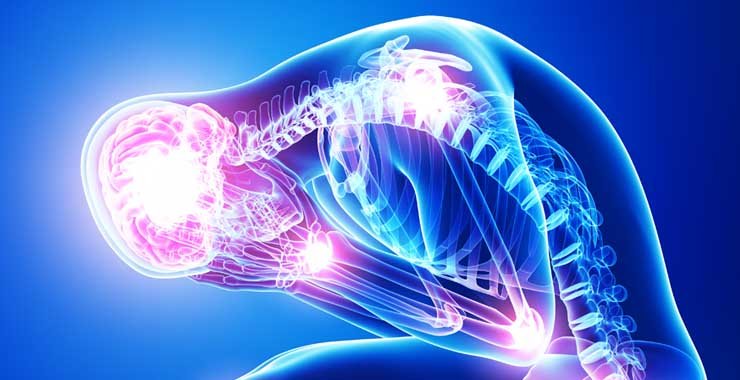
Most people think of stress as an emotional or mental experience. But stress doesn’t stay confined to the mind—it can affect nearly every system in the body.
If you’ve ever developed a tension headache before an important meeting, experienced stomach pain during a stressful period, or noticed your back and shoulders tightening when you’re overwhelmed, you’ve experienced the mind-body connection firsthand.
The pain is real. It’s not “all in your head.” Modern research shows that chronic stress can contribute to physical symptoms throughout the body, sometimes even when no obvious injury or disease is present.
What Happens in the Body During Stress?
When you encounter a stressful situation, your body activates its “fight-or-flight” response.
This involves the release of stress hormones such as:
- Cortisol
- Adrenaline
These hormones are helpful in short-term emergencies because they:
- Increase alertness
- Raise heart rate
- Redirect energy to essential systems
The problem arises when stress becomes chronic.
Instead of switching off after a threat passes, the body remains in a prolonged state of heightened alertness.
Why Stress Can Cause Physical Pain
Chronic stress affects multiple systems simultaneously, including:
- Muscles
- Nervous system
- Immune system
- Digestive system
- Cardiovascular system
Over time, these changes can contribute to pain and discomfort.
1. Muscle Tension and Tightness
One of the most common effects of stress is muscle tension.
When stressed, muscles often remain partially contracted for long periods.
This can contribute to:
- Neck pain
- Shoulder pain
- Jaw pain
- Back pain
People under chronic stress may not even realize how much tension they are carrying until symptoms become noticeable.
2. Tension Headaches
Stress is a major trigger for tension headaches.
Symptoms may include:
- A dull aching sensation
- Pressure around the forehead
- Tightness around the scalp or neck
These headaches are often related to muscle tension and nervous system activation.
3. Increased Sensitivity to Pain
Chronic stress can make the nervous system more sensitive.
This means:
- Minor aches may feel worse
- Existing pain conditions may flare up
- Recovery from injury may feel slower
The brain and nervous system play important roles in how pain signals are processed.
4. Digestive Pain and Discomfort
The digestive tract is closely connected to the brain through the gut-brain axis.
Stress may contribute to:
- Stomach pain
- Nausea
- Bloating
- Changes in bowel habits
Conditions such as:
Irritable Bowel Syndrome
often worsen during stressful periods.
5. Jaw Pain and Teeth Grinding
Stress can lead some people to:
- Clench their jaw
- Grind their teeth, especially during sleep
This may contribute to:
- Facial pain
- Headaches
- Jaw joint discomfort
6. Chronic Pain Conditions
Stress does not directly cause every chronic pain condition, but it can worsen symptoms in disorders such as:
- Fibromyalgia
- Chronic back pain
- Migraine
- Arthritis
Many people notice symptom flares during periods of emotional stress.
The Role of Inflammation
Chronic stress may influence inflammatory processes in the body.
While the relationship is complex, prolonged stress has been associated with:
- Increased inflammatory activity
- Slower healing
- Greater symptom burden in some chronic illnesses
Inflammation may help explain why stress affects both physical and mental health.
Why Pain Can Persist Even After Stressful Events End
Sometimes the nervous system remains highly sensitized after prolonged stress.
The brain may become more efficient at detecting danger signals, even when no immediate threat exists.
This does not mean the pain is imagined.
Rather, the nervous system has become more reactive, which can contribute to ongoing symptoms.
Common Physical Symptoms of Stress
Stress can contribute to:
- Headaches
- Neck pain
- Shoulder pain
- Back pain
- Muscle tightness
- Fatigue
- Digestive issues
- Chest tightness
- Sleep disturbances
These symptoms are common and often overlap.
How Sleep Fits Into the Picture
Stress and sleep problems often reinforce each other.
Stress can cause:
- Difficulty falling asleep
- Frequent waking
- Poor sleep quality
Lack of sleep can then:
- Increase pain sensitivity
- Worsen fatigue
- Reduce stress tolerance
Improving sleep often helps reduce both stress and physical symptoms.
When Physical Symptoms Need Medical Evaluation
Not every symptom should be assumed to be stress-related.
It’s important to seek medical care for:
- New chest pain
- Significant shortness of breath
- Sudden neurological symptoms
- Severe abdominal pain
- Unexplained weight loss
- Persistent symptoms without explanation
Stress can contribute to symptoms, but medical causes should not be overlooked.
Evidence-Based Ways to Reduce Stress-Related Pain
1. Regular Physical Activity
Exercise can help:
- Reduce muscle tension
- Improve mood
- Support sleep
- Lower stress levels
Even moderate activities such as walking can be beneficial.
2. Improve Sleep Habits
Prioritize:
- Consistent sleep schedules
- Limiting late-night screen use
- Creating a comfortable sleep environment
Better sleep often improves both stress and pain.
3. Relaxation Techniques
Many people benefit from:
- Mindfulness meditation
- Deep breathing exercises
- Progressive muscle relaxation
- Yoga
These techniques may help calm the body’s stress response.
4. Social Connection
Strong social relationships can reduce the impact of chronic stress.
Support may come from:
- Family
- Friends
- Community groups
- Counselors
Isolation often amplifies stress-related symptoms.
5. Professional Support
If stress is significantly affecting daily life, mental health professionals can help develop coping strategies and address underlying concerns.
Seeking help is appropriate when stress becomes overwhelming or persistent.
The Mind-Body Connection Is Real
For decades, some people interpreted stress-related symptoms as “imaginary.” Modern science tells a different story.
The brain, nervous system, hormones, immune system, and muscles constantly communicate with one another. Emotional stress can create measurable physical changes that influence pain, energy, sleep, digestion, and overall health.
Understanding this connection helps explain why treating stress can sometimes improve physical symptoms—and why physical health and mental well-being are deeply interconnected.
Bottom Line
Stress can cause real physical pain by affecting muscles, hormones, the nervous system, sleep, digestion, and inflammation. Symptoms such as headaches, neck pain, back pain, stomach discomfort, fatigue, and muscle tension are common manifestations of chronic stress.
While stress-related symptoms are genuine and deserve attention, persistent or severe symptoms should still be medically evaluated. Managing stress through exercise, sleep, relaxation techniques, social support, and professional help when needed can improve both emotional well-being and physical health.