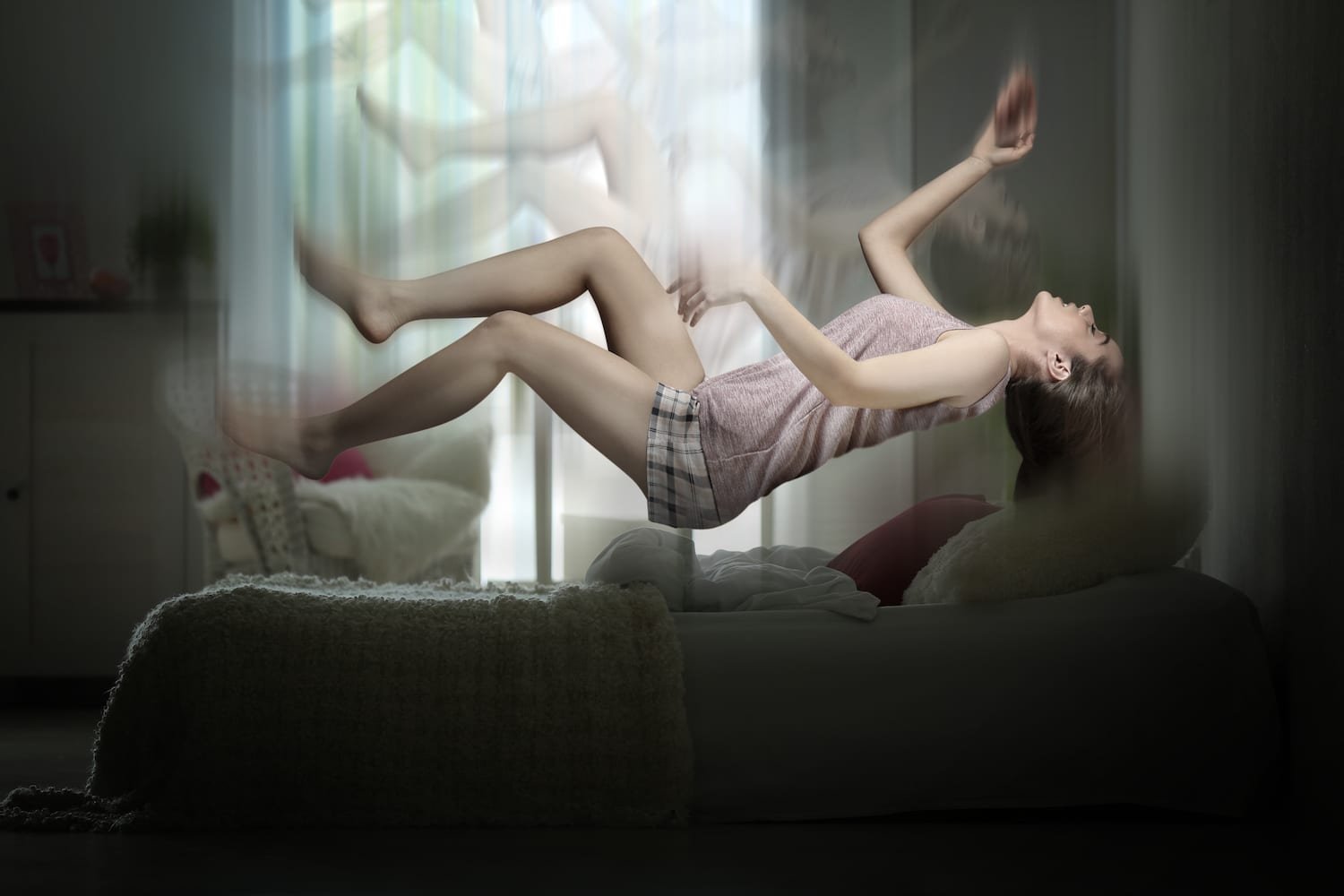
You’re just drifting off to sleep when suddenly your body jerks, your leg kicks, or you feel as if you’re falling off a cliff. Your heart may race for a moment, and you’re instantly awake again.
If this sounds familiar, you’ve likely experienced a hypnic jerk, also called a sleep start. While the sensation can be surprising—or even alarming—it’s usually a normal and harmless part of the sleep process.
In fact, most people experience hypnic jerks at some point in their lives.
What Is a Hypnic Jerk?
A hypnic jerk is a sudden, involuntary muscle contraction that occurs as you’re transitioning from wakefulness to sleep.
It may involve:
- One leg
- Both legs
- An arm
- The entire body
The movement is often accompanied by a sensation such as:
- Falling
- Tripping
- Losing balance
- Startling awake
These events typically occur during the earliest stage of sleep.
Why Does It Feel Like You’re Falling?
The exact reason for the falling sensation isn’t fully understood.
One theory suggests that as muscles begin to relax during the transition to sleep, the brain may briefly misinterpret this relaxation as a loss of balance or a fall.
In response, the nervous system generates a sudden muscle contraction that “catches” the body.
While this explanation is not proven, it helps explain why so many people report a sensation of falling.
How Common Are Hypnic Jerks?
Very common.
Studies suggest that a large percentage of adults experience hypnic jerks occasionally.
For most people:
- They occur infrequently
- They are harmless
- They do not indicate a sleep disorder
Many individuals experience them only a few times per year, while others notice them more regularly.
What Does a Hypnic Jerk Feel Like?
People describe experiences such as:
- A sudden body jolt
- A leg kick
- An arm twitch
- A falling sensation
- A brief electric shock feeling
- A sudden startle
Some people also notice:
- A flash of light
- A dream-like image
- A brief sensation of dropping
These experiences occur during the transition into sleep, not during deep sleep.
Common Triggers
Several factors appear to increase the likelihood of hypnic jerks.
Stress and Anxiety
Stress can make the nervous system more alert.
People often notice more frequent hypnic jerks during periods of:
- Work stress
- Emotional stress
- Major life changes
- Anxiety
A highly activated nervous system may contribute to sleep starts.
Sleep Deprivation
Lack of sleep is one of the most commonly reported triggers.
When you’re overly tired:
- Sleep onset may be more abrupt
- Transitions between wakefulness and sleep may become less stable
This may increase the likelihood of hypnic jerks.
Caffeine
Caffeine stimulates the nervous system.
Sources include:
- Coffee
- Tea
- Energy drinks
- Some sodas
- Certain supplements
Excess caffeine, especially later in the day, may make hypnic jerks more noticeable.
Intense Evening Exercise
Regular exercise generally supports healthy sleep.
However, very vigorous exercise close to bedtime may temporarily increase nervous system activation in some individuals.
This can potentially contribute to sleep starts.
Emotional Excitement
Strong emotions before bed—whether positive or negative—may increase arousal levels and make hypnic jerks more likely.
Examples include:
- Exciting events
- Worrying situations
- Late-night stimulating activities
Are Hypnic Jerks Dangerous?
In most cases, no.
Hypnic jerks are generally considered a normal physiological phenomenon.
They do not:
- Damage the brain
- Cause neurological disease
- Predict future health problems
Although they can be startling, they are usually harmless.
When Should You Be Concerned?
Occasional hypnic jerks are normal.
However, medical evaluation may be appropriate if:
- Movements become frequent and severe
- Sleep quality is significantly disrupted
- Symptoms are worsening
- Daytime fatigue becomes substantial
- Other unusual neurological symptoms are present
In these situations, a healthcare provider can help determine whether another condition may be involved.
How Are They Different From Restless Legs Syndrome?
People sometimes confuse hypnic jerks with:
Restless Legs Syndrome
Key differences include:
Hypnic Jerks
- Occur during sleep onset
- Usually involve a sudden movement
- Are brief and isolated
Restless Legs Syndrome
- Causes an urge to move the legs
- Produces uncomfortable sensations
- Improves with movement
- Often persists for extended periods
These are different conditions with different causes.
How Are They Different From Sleep Seizures?
Hypnic jerks are not the same as seizures.
Sleep-related seizures typically:
- Have different movement patterns
- May occur repeatedly
- Often involve additional neurological findings
If there is uncertainty, a healthcare professional can help distinguish between them.
Can You Prevent Hypnic Jerks?
You may not be able to eliminate them entirely, but several strategies can reduce their frequency.
Get Adequate Sleep
Sleep deprivation is a major trigger.
Aim for:
- Consistent sleep schedules
- Sufficient total sleep time
For most adults, this means approximately 7–9 hours per night.
Reduce Evening Caffeine
Limiting caffeine later in the day may help reduce nervous system stimulation before bedtime.
Manage Stress
Helpful approaches include:
- Relaxation exercises
- Mindfulness practices
- Gentle stretching
- Reading
- Establishing a calming bedtime routine
Avoid Overstimulation Before Bed
Consider limiting:
- Intense exercise immediately before sleep
- Stressful activities
- Highly stimulating screen use
Creating a smoother transition into sleep may help.
Why Do They Seem Worse During Stressful Periods?
The brain and nervous system are more alert during times of stress.
This heightened state of arousal can:
- Delay relaxation
- Increase startle responses
- Make normal sleep transitions feel more dramatic
Many people notice hypnic jerks becoming more frequent during stressful life events.
The Good News
For the vast majority of people, hypnic jerks are simply a normal part of falling asleep.
They may be surprising, but they are generally not a sign of illness.
In many cases, improving sleep habits and reducing stress can make them less frequent.
Bottom Line
Hypnic jerks are sudden, involuntary muscle contractions that occur as you fall asleep. They are often accompanied by a sensation of falling, tripping, or losing balance and may briefly wake you up. Although the exact cause is not fully understood, factors such as stress, anxiety, sleep deprivation, caffeine, and nervous system arousal can increase their frequency.
For most adults, hypnic jerks are harmless and require no treatment. If they become frequent, severely disrupt sleep, or occur alongside other unusual symptoms, a healthcare professional can help determine whether another sleep or neurological condition may be involved.