Hearing that you have HPV can be surprising—especially if you’re in your 30s, 40s, or 50s and have never had an abnormal screening result before. Many adults assume that HPV is only a concern for younger people, but the reality is that Human Papillomavirus (HPV) can be detected at any age, even decades after a person’s first exposure.
A positive HPV test later in life often raises important questions. Is this a new infection? Has it been present for years? Does it increase cancer risk? What happens next?
Understanding HPV in adults detected later in life can help reduce anxiety and provide clarity about what a positive test result may mean for your health.
Quick Answer: What Does It Mean If HPV Is Detected Later in Life?
HPV detected later in life does not necessarily mean you recently acquired the virus. In many cases, HPV infections remain inactive (dormant) for years and become detectable later due to changes in the immune system or improved screening methods. Most HPV infections do not cause cancer, but certain high-risk types require monitoring because they can increase the risk of cervical and other cancers over time.
What Is HPV?
Human Papillomavirus (HPV) is a group of more than 100 related viruses. It is one of the most common sexually transmitted infections worldwide.
HPV is generally categorized into two groups:
Low-Risk HPV Types
These strains may cause:
- Genital warts.
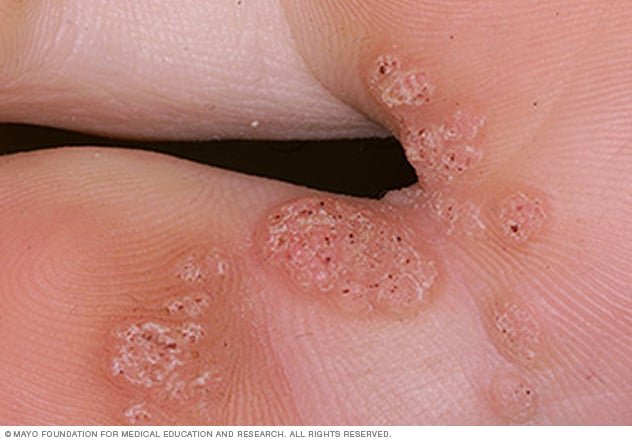
- Skin warts.
- Non-cancerous tissue changes.
High-Risk HPV Types
Certain HPV strains are associated with:
- Cervical cancer.
- Anal cancer.
- Penile cancer.
- Vulvar cancer.
- Vaginal cancer.
- Some head and neck cancers, including throat cancers.
Most HPV infections never progress to cancer, especially when appropriate screening and follow-up care are performed.
Why Might HPV Be Detected Later in Life?
One of the most common concerns after a positive test is understanding why the virus was not detected earlier.
1. HPV Can Remain Dormant for Years
A person may be exposed to HPV many years—or even decades—before it is identified.
After infection:
- The immune system often suppresses the virus.
- HPV may become inactive and undetectable.
- In some individuals, the virus may reactivate later in life.
This means a positive result does not automatically indicate recent exposure.
2. Changes in the Immune System
As people age, immune function naturally changes. This may allow previously controlled HPV infections to become detectable again.
Factors that may affect immune function include:
- Aging.
- Chronic stress.
- Smoking.
- Certain medical conditions.
- Immune-suppressing medications.
3. Improved Screening Technology
Modern HPV testing is more sensitive than many older screening methods. Some infections that previously went undetected may now be identified during routine screening.
Is HPV Common in Adults Over 30?
Yes. HPV remains common among adults of all ages.
Research shows that:
- Many sexually active adults have been exposed to HPV at some point.
- Most infections cause no symptoms.
- Many individuals never know they have had HPV.
- A positive HPV test is not unusual, even among people in long-term relationships.
Because HPV is often silent, routine screening plays an important role in detection.
What Symptoms Does HPV Cause?
In many cases, HPV causes no symptoms at all.
Possible Signs of HPV
Depending on the type of HPV involved, symptoms may include:
- Genital warts.
- Anal warts.
- Changes detected during cervical screening.
- Rarely, symptoms related to HPV-associated cancers.
Most people with high-risk HPV feel completely healthy and have no warning signs, which is why screening is so important.
What Happens After an HPV-Positive Test?
The next steps depend on:
- Your age.
- The type of HPV detected.
- Whether cervical cell changes are present.
- Previous screening history.
Possible Follow-Up Steps
Your healthcare provider may recommend:
- Repeat HPV testing after a specified interval.
- Additional cervical screening.
- A procedure called colposcopy, which allows closer examination of the cervix.
- Monitoring rather than immediate treatment.
Not every HPV-positive result requires treatment.
Does HPV Mean You Have Cancer?
No.
One of the biggest misconceptions about HPV in adults detected later in life is that a positive result means cancer is present.
In reality:
- Most HPV infections never cause cancer.
- Many infections clear naturally or remain inactive.
- Screening is designed to identify changes before cancer develops.
- Early detection significantly improves outcomes.
A positive HPV test means follow-up is important—not that cancer is inevitable.
HPV and Cervical Cancer Risk
Persistent infection with certain high-risk HPV types can increase the risk of cervical cancer over time.
However:
- Cervical cancer usually develops slowly.
- Precancerous changes can often be detected years before cancer forms.
- Appropriate screening and treatment can greatly reduce risk.
This is why regular cervical cancer screening remains important even for adults who feel healthy.
Can Men Get HPV Too?
Absolutely.
Although HPV discussions often focus on cervical screening, men can also acquire HPV.
Potential HPV-related conditions in men include:
- Genital warts.
- Anal cancer.
- Penile cancer.
- Certain throat and head-and-neck cancers.
Most HPV infections in men are asymptomatic and never cause serious health problems.
Can HPV Go Away on Its Own?
In many cases, yes.
The immune system clears or suppresses many HPV infections naturally.
Factors associated with healthier immune function include:
- Avoiding smoking.
- Regular physical activity.
- Managing chronic health conditions.
- Getting adequate sleep.
- Maintaining overall wellness.
However, some high-risk HPV infections may persist and require ongoing monitoring.
Is HPV a Sign of Infidelity?
No.
Because HPV can remain dormant for many years, a positive test result does not reveal when the infection was acquired.
A person may test positive:
- Years after exposure.
- During a long-term monogamous relationship.
- After previous negative screening tests.
For this reason, HPV testing cannot determine when or from whom the virus was contracted.
Can Adults Still Benefit From HPV Vaccination?
The HPV vaccine is most effective before exposure to the virus, but some adults may still benefit depending on their age and individual circumstances.
Vaccination decisions should be discussed with a healthcare professional who can assess personal risk factors and current recommendations.
How to Protect Your Health After an HPV Diagnosis
Healthy Steps to Take
✔ Attend all recommended follow-up appointments.
✔ Continue routine cervical cancer screening as advised.
✔ Avoid smoking, which may increase HPV-related cancer risk.
✔ Maintain a healthy immune system through regular exercise and adequate sleep.
✔ Follow your healthcare provider’s recommendations regarding repeat testing.
✔ Ask questions if you are unsure about your results or next steps.
Most importantly, remember that HPV is extremely common and manageable with appropriate monitoring.
When Should You See a Healthcare Professional?
Seek medical advice if:
- You receive a positive HPV test result.
- You have abnormal cervical screening results.
- You notice genital warts or unusual growths.
- You experience unexplained bleeding after intercourse.
- You have persistent pelvic symptoms.
- You have questions about HPV vaccination or cancer screening.
Regular communication with your healthcare provider helps ensure that any necessary follow-up care is completed.
Frequently Asked Questions (FAQ)
What does it mean if HPV is detected later in life?
It often means the virus has become detectable after being dormant or suppressed for years. It does not necessarily indicate a recent infection.
Can HPV stay dormant for decades?
Yes. Research suggests HPV can remain inactive for many years before becoming detectable again.
Does a positive HPV test mean cancer?
No. Most HPV infections do not cause cancer. However, some high-risk types require monitoring because they can increase cancer risk over time.
Why was HPV not detected on previous tests?
The virus may have been inactive, present at very low levels, or not included in earlier screening methods.
Can men get HPV?
Yes. Men can acquire HPV and may develop genital warts or certain HPV-associated cancers, although most infections cause no symptoms.
Can HPV go away naturally?
Many HPV infections are cleared or suppressed by the immune system without causing long-term health problems.
Final Thoughts
Receiving a diagnosis of HPV in adults detected later in life can feel unexpected, but it is far more common than many people realize. A positive HPV test often reflects a virus that has been present and inactive for years rather than a recent infection.
The most important message is that HPV detection allows healthcare providers to monitor your health and identify any concerning changes early. Most HPV infections do not lead to cancer, and modern screening programs are highly effective at finding precancerous changes before serious problems develop.
By staying informed, attending recommended follow-up appointments, and maintaining routine screening, you can take an active role in protecting your long-term health and peace of mind.