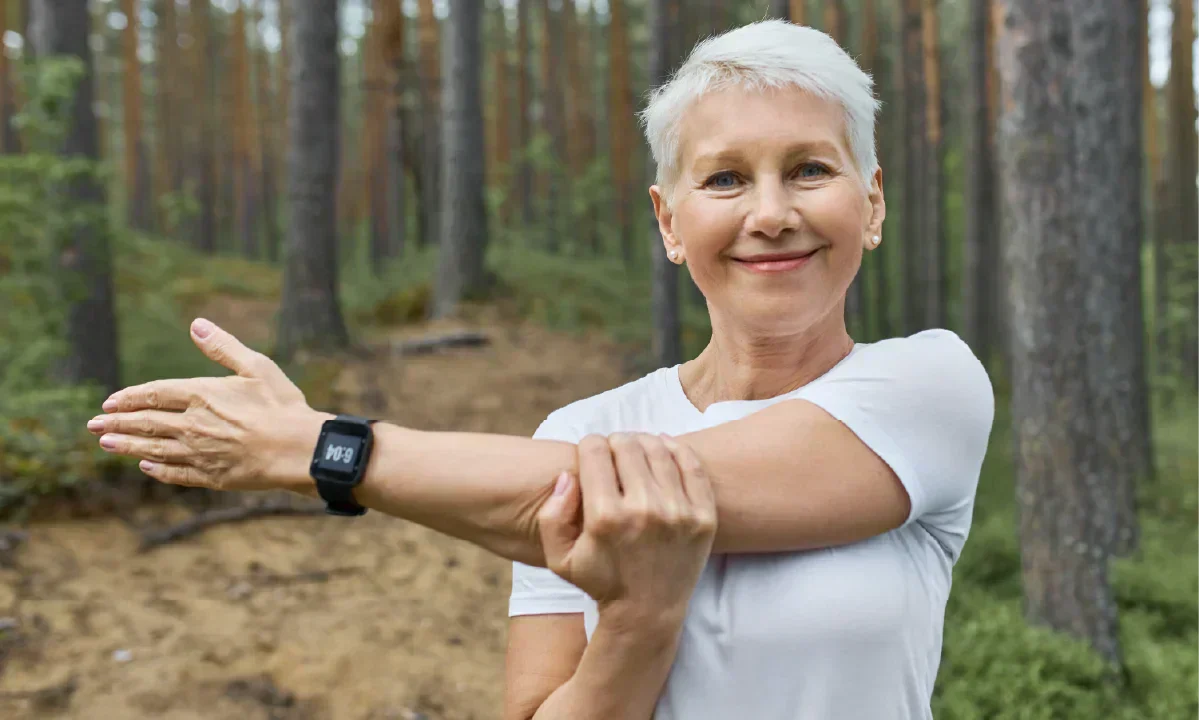
As women age, hormonal changes — particularly during perimenopause and menopause — significantly impact bone health. The decline in estrogen affects calcium absorption and bone density, increasing the risk of osteoporosis and fractures.
This makes proactive bone care essential after 40.
While calcium and vitamin D are widely recommended, emerging research suggests that tocotrienols, a potent form of vitamin E, may offer additional protection against bone loss. But how do tocotrienols work, and why are they particularly beneficial for women over 40?
Let’s explore the science.
Why Do Women Over 40 Experience Bone Loss?
Estrogen plays a critical role in maintaining bone strength. It helps by:
- Enhancing calcium absorption in the intestines
- Inhibiting osteoclasts (cells that break down bone tissue)
- Supporting osteoblast activity (cells that rebuild bone)
As women enter their 40s, estrogen levels begin to decline — a process that starts in perimenopause and continues through menopause.
When estrogen levels fall:
- Bone resorption increases
- Bone formation slows
- Bones become more porous and fragile
Over time, this raises the risk of osteopenia and osteoporosis.
Why Conventional Bone Supplements May Not Be Enough
Traditional approaches such as calcium, vitamin D, and bisphosphonates focus primarily on slowing bone loss. However:
- They may not actively stimulate new bone formation
- They do not address oxidative stress and inflammation
- Some individuals experience absorption challenges
- Certain medications may carry potential side effects
This is where tocotrienols show promising potential.
What Are Tocotrienols?
Tocotrienols are a lesser-known but highly potent form of vitamin E.
Unlike tocopherols (the more common form of vitamin E), tocotrienols have a unique molecular structure with:
- A shorter tail
- A smaller head
This allows them to penetrate tissues more efficiently and provide stronger antioxidant protection.
Natural sources include:
- Annatto seeds
- Palm oil
- Rice bran oil
They are also available in supplement form.
How Tocotrienols May Help Prevent Bone Loss
Bone deterioration during perimenopause is partly driven by oxidative stress and increased inflammatory mediators.
What Are Proinflammatory Mediators?
These are molecules that trigger inflammation in response to injury or stress. While necessary for healing, chronic activation can contribute to conditions such as arthritis, cardiovascular disease, and bone loss.
Research suggests tocotrienols may help counteract these processes through several mechanisms.
1. Reduce Oxidative Stress and Inflammation
Oxidative stress accelerates bone resorption by damaging bone cells and promoting inflammation.
Tocotrienols act as powerful antioxidants, helping to:
- Neutralize free radicals
- Reduce inflammatory activity
- Slow down bone breakdown
This is particularly relevant during perimenopause when oxidative stress levels increase.
2. Stimulate Osteoblast Activity (Bone Formation)
Studies indicate that tocotrienols may support osteoblast function, promoting bone rebuilding.
A 12-week study involving annatto-derived tocotrienols supplementation showed:
- Reduced bone loss
- Increased markers of bone formation
- Improvement in postmenopausal women with osteopenia
What Is Osteopenia?
Osteopenia refers to lower-than-normal bone density that is not severe enough to be classified as osteoporosis. It serves as an early warning sign of bone weakening.
3. Suppress Osteoclast Activity (Bone Breakdown)
Excess osteoclast activity accelerates bone loss during menopause.
Research suggests tocotrienols may:
- Suppress osteoclast differentiation
- Reduce bone resorption
- Support overall bone balance
Because of these effects, tocotrienols are being studied as potential supportive antioxidants in bone-related conditions.
4. Support Calcium Retention and Synergy
Tocotrienols may improve calcium retention and work synergistically with:
- Vitamin D3 (enhances calcium absorption)
- Vitamin K2 (directs calcium to bones instead of arteries)
- Magnesium (supports bone mineralization)
Their antioxidant properties may help create an environment that favors bone formation over breakdown.
How to Incorporate Tocotrienols Into Your Routine
1. Natural Food Sources
You can include tocotrienol-rich foods such as:
- Annatto seeds (highest concentration, though rarely consumed directly)
- Rice bran oil (practical option for daily use)
- Palm oil (rich source, though environmental concerns exist)
However, dietary sources alone often provide limited amounts.
2. Tocotrienol Supplements
Women experiencing bone loss or seeking preventive support during perimenopause or menopause may consider supplementation under medical guidance.
When selecting a supplement, look for:
- Annatto-derived tocotrienols (high purity, tocopherol-free)
- Clinically studied dosages (commonly 100–300 mg daily)
- Third-party testing for quality and potency
- Minimal additives or artificial ingredients
Always consult a healthcare professional before starting supplementation.
3. Combine With Bone-Supportive Nutrients
For optimal results, tocotrienols may be paired with:
- Vitamin D3
- Vitamin K2 (MK-7)
- Magnesium
- Collagen
- Geranylgeraniol (GG), which may work synergistically with vitamin K2
A comprehensive approach supports both bone density and structural integrity.
Conclusion
Turning 40 marks an important transition in women’s health. The decline in estrogen during perimenopause and menopause significantly impacts bone density, increasing the risk of osteoporosis and fractures.
While calcium and vitamin D remain foundational, tocotrienols offer a promising, science-backed addition to bone health strategies.
Through their:
- Antioxidant properties
- Anti-inflammatory effects
- Support for osteoblast activity
- Potential to improve calcium retention
Tocotrienols may complement traditional bone-supportive nutrients and help women maintain stronger bones over time.
If you are over 40 and looking for proactive ways to support your bone health, discussing tocotrienols with your healthcare provider may be a worthwhile step.
Strong bones are not just about aging — they are about aging well.