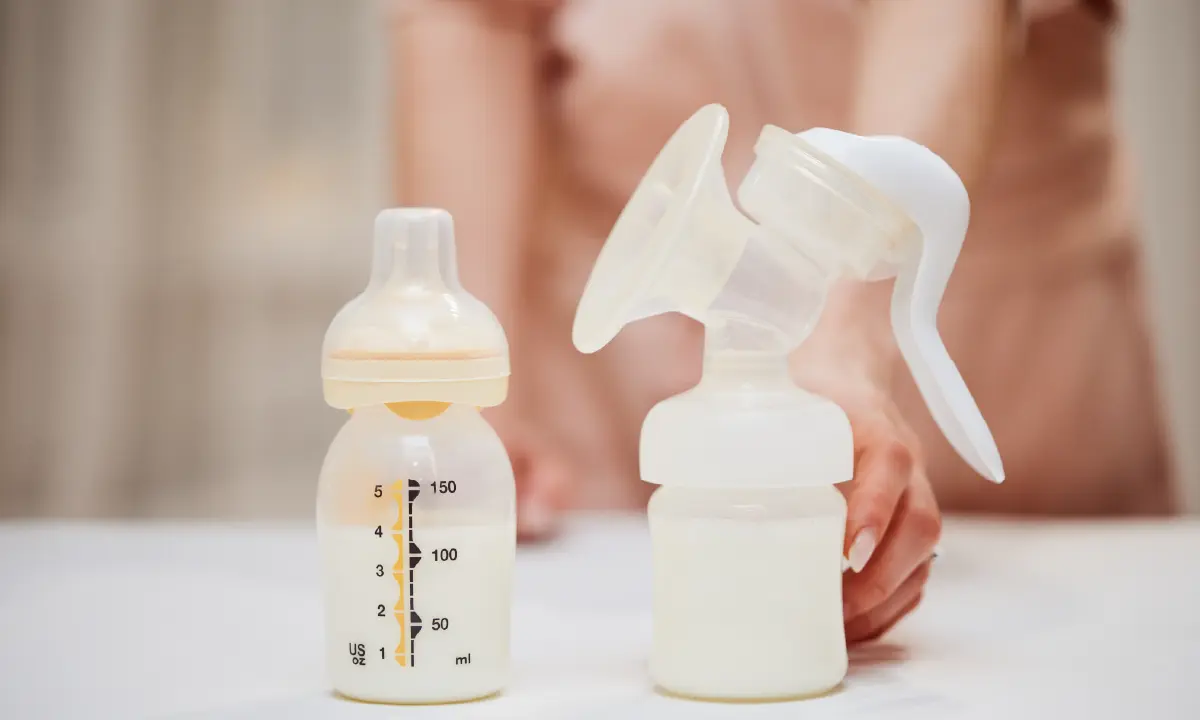
You froze your breast milk.
You thawed it.
Now there’s some left.
So the big question is:
Can you refreeze breast milk?
Short answer: Usually, no.
But there are a few important exceptions — and knowing the difference matters for your baby’s safety.
A Quick Look at Breast Milk & Why Storage Matters
Breast milk is often called “liquid gold” — and for good reason.
It contains:
- Proteins and healthy fats
- Vitamins and minerals
- Antibodies and immunoglobulins
- Lactoferrin and other immune-support compounds
The World Health Organization recommends exclusive breastfeeding for the first six months of life whenever possible.
But for many moms — especially working moms, traveling parents, or those managing medical needs — direct breastfeeding isn’t always possible. Pumping and storing milk becomes essential.
When You Might Need to Store Breast Milk
Expressing and storing milk is common if:
- You’re returning to work
- You’re traveling
- You’re temporarily separated from your baby
- You’re taking medications incompatible with nursing
- A caregiver is helping with feeds
Stored milk allows your baby to continue receiving optimal nutrition even when you’re not physically present.
Safe Storage Guidelines (According to the CDC)
The Centers for Disease Control and Prevention provides clear guidance on breast milk storage:
Freshly Expressed Milk
- Room temperature (77°F / 25°C or colder): up to 4 hours
- Refrigerator (40°F / 4°C): up to 4 days
- Freezer (0°F / -18°C): best within 6 months, acceptable up to 12 months
Important Notes
- Always label milk with the date expressed
- Store in sterilized bottles or breast milk storage bags
- Freeze in small portions to reduce waste
Freezing preserves most nutrients, although some immune properties may slightly decrease over time. Still, frozen breast milk remains highly beneficial.
How to Safely Thaw Frozen Breast Milk
You can thaw frozen milk by:
- Placing it in the refrigerator overnight
- Running it under cool then warm water
- Placing the sealed bag in a bowl of warm water
Avoid:
- Microwaving (causes uneven heating and nutrient damage)
- Boiling
- Refreezing after prolonged room temperature exposure
Once thawed:
- If thawed in the refrigerator → use within 24 hours
- If warmed to room temperature → use within 2 hours
So… Can You Refreeze Breast Milk?
🚫 Generally, No.
Once frozen milk is fully thawed, you should not refreeze it.
Why?
Because:
- Thawing allows bacteria to multiply
- Nutrient breakdown accelerates
- Refreezing does not reverse bacterial growth
The CDC and most pediatric authorities advise against refreezing fully thawed milk.
The One Exception: Ice Crystals
If frozen milk partially thaws during a power outage but still contains ice crystals, it is generally safe to refreeze.
This means the milk has not fully thawed and has remained at a safe temperature.
If it is completely thawed and no longer cold → use within 24 hours or discard.
Why Refreezing Can Be Risky
Refreezing previously thawed milk may:
- Increase bacterial growth risk
- Decrease immune factors
- Alter fat structure
- Reduce nutritional quality
Infants — especially newborns — have developing immune systems. Even small bacterial increases can matter.
When in doubt, it’s safer to discard.
What About Leftover Milk After Feeding?
If your baby starts a bottle but doesn’t finish it:
- Use the remaining milk within 2 hours
- After that, discard it
Bacteria from your baby’s mouth can enter the milk during feeding.
Power Outage Tips for Breast Milk Storage
If the power goes out:
- Keep freezer doors closed
- A full freezer can stay cold for about 48 hours
- A half-full freezer stays cold about 24 hours
If milk still contains ice crystals → it can be refrozen.
If fully thawed and warm → use within 24 hours or discard.
What to Do With Expired Breast Milk
If milk smells sour, looks clumpy (beyond normal fat separation), or tastes off, discard it.
Some parents use expired milk for:
- Milk baths
- Minor skin irritation
- Diaper rash soothing
However, expired milk should not be consumed.
Final Answer: Should You Refreeze Breast Milk?
✔ If it still contains ice crystals → Yes, you can refreeze.
✖ If it has fully thawed → No, do not refreeze.
When it comes to infant feeding, safety always comes first.
If you’re unsure about stored milk quality, contact your pediatrician or a certified lactation consultant.
A Gentle Reminder for Moms
Pumping, storing, and managing breast milk is not easy. If you’re navigating work schedules, travel, or sleepless nights — you’re doing your best.
Stored milk is still powerful nutrition.
Just follow safe handling practices to protect your baby.
Disclaimer
This article is for informational purposes only and does not replace medical advice. Always consult your pediatrician, healthcare provider, or lactation consultant for personalized guidance regarding infant feeding and milk storage.