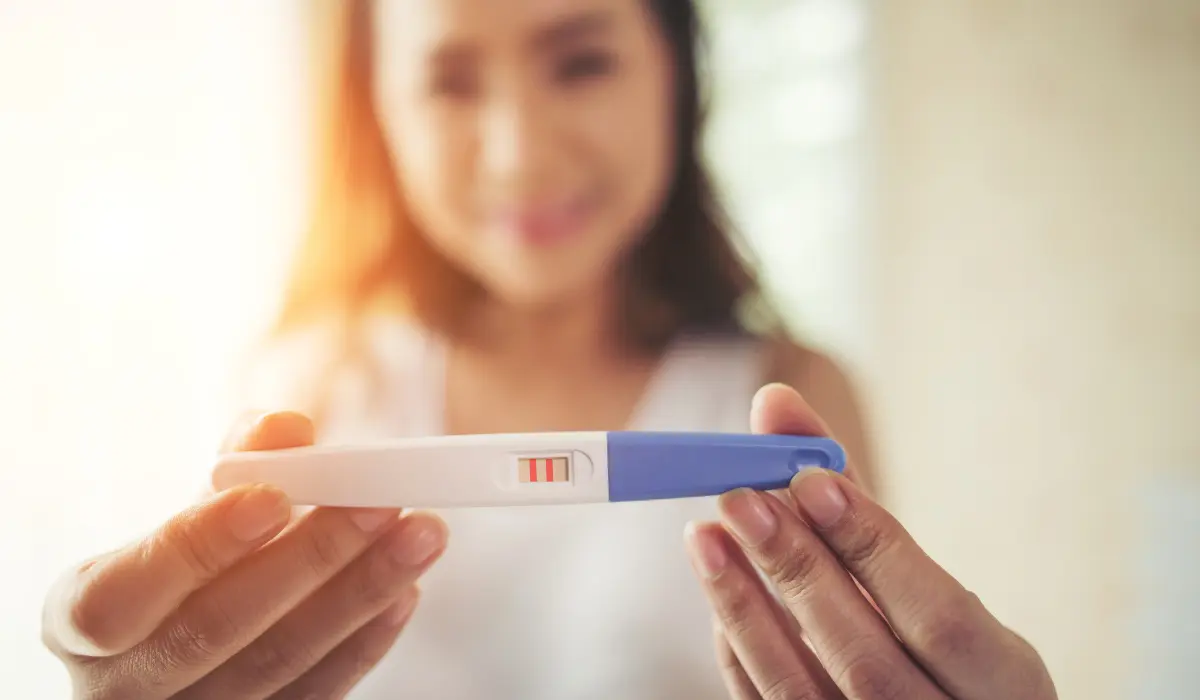
Life looks different today. For many, building a career and pursuing personal goals comes first — and that’s completely valid. But for those who feel ready to start a family, the journey isn’t always as simple as it once seemed.
You’ve probably heard about the rising rates of fertility challenges worldwide.
So what’s really going on? And where does CoQ10 fit into this picture?
Let’s break it down.
Understanding Infertility: A Growing Global Concern
According to the World Health Organization (WHO), infertility is defined as the inability to achieve pregnancy after 12 months or more of regular, unprotected intercourse.
Globally:
- Around 17.5% of adults — roughly 1 in 6 people — experience infertility at some point in their lives.
Infertility affects both men and women and is influenced by biological, environmental, and lifestyle factors.
Common Causes of Infertility
Infertility can arise from multiple causes. It is not limited to one gender, and in many cases, both partners may contribute.
Causes in Women
- Ovulation disorders (irregular or absent ovulation)
- Polycystic Ovary Syndrome (PCOS)
- Thyroid disorders (overactive or underactive thyroid)
- Premature ovarian insufficiency (ovaries stop functioning before age 40)
- Fibroids (especially submucosal fibroids)
- Endometriosis
- Pelvic Inflammatory Disease (PID)
- Surgical scarring
- Cervical mucus abnormalities
Causes in Men
- Low sperm count or poor motility
- Abnormal sperm morphology
- DNA damage in sperm
- High scrotal temperature
- Testicular injury or infection
- Ejaculation disorders
- Low testosterone (hypogonadism)
Lifestyle & Fertility: The Often-Overlooked Link
Fertility is deeply connected to lifestyle.
Key influencing factors include:
- Nutrition and weight
- Physical activity
- Chronic stress
- Sleep quality
- Environmental toxin exposure
- Substance use
- Certain medications
However, it’s important to say this clearly:
Even if you “do everything right,” fertility challenges can still occur. Reproduction is biologically complex, and not all factors are within your control.
Fertility Treatments & Supplements
Medical options available today include:
- Intrauterine Insemination (IUI)
- In Vitro Fertilization (IVF)
- Ovulation-inducing medications
- Hormonal therapies
- Surrogacy
Alongside these, certain supplements are being studied for their potential role in reproductive health — and one that stands out is Coenzyme Q10 (CoQ10).
What Is CoQ10?
CoQ10 (Coenzyme Q10), also called ubiquinone, is:
- A naturally occurring antioxidant
- Essential for cellular energy production
- Found inside mitochondria (the “powerhouse” of the cell)
Because egg and sperm cells require high energy for proper function, mitochondrial health plays a critical role in fertility.
How CoQ10 May Support Fertility
For Women
Women are born with a finite number of eggs. Over time, these eggs are exposed to:
- Oxidative stress
- Environmental toxins
- Inflammation
- Aging-related mitochondrial decline
As women age, egg quality declines due to:
- Chromosomal abnormalities
- Reduced mitochondrial function
- Increased oxidative stress
CoQ10 may help by:
- Supporting mitochondrial energy production
- Reducing oxidative damage
- Stabilizing DNA integrity
- Potentially improving egg quality
Improved egg quality may enhance fertilization potential.
For Men
Sperm are produced continuously but are highly sensitive to oxidative stress.
Aging and environmental stressors may lead to:
- Reduced motility
- DNA fragmentation
- Abnormal sperm shape
- Lower concentration
CoQ10 may help:
- Reduce oxidative stress
- Improve sperm motility
- Support DNA stability
- Enhance overall sperm quality
What Do Studies Say?
Study 1 (2020 Systematic Review & Meta-Analysis)
This review examined women undergoing Assisted Reproductive Technology (ART).
Key outcomes measured:
- Clinical pregnancy rate (CPR)
- Live birth rate (LBR)
- Miscarriage rate (MR)
Results:
- Clinical Pregnancy Rate:
28.8% (CoQ10 group) vs 14.1% (placebo) - Live Birth Rate:
No significant difference - Miscarriage Rate:
No significant difference
Conclusion:
CoQ10 improved clinical pregnancy rates but did not significantly impact live birth or miscarriage outcomes.
Study 2 (2023 Review on Female Fertility)
This review explored CoQ10’s broader reproductive benefits.
Findings suggest CoQ10 may:
- Reduce oxidative stress
- Improve mitochondrial function
- Support egg maturation
- Enhance ovarian function
- Promote embryo development
- Improve immune balance in reproductive tissues
Researchers concluded that while results are promising, further large-scale trials are needed.
CoQ10 Dosage for Fertility
Diet typically provides:
- About 3–6 mg daily, mainly from meat sources
Fertility specialists often recommend:
- 400–600 mg per day
However, optimal dosage and duration are still under study. Always consult a healthcare provider before starting supplementation.
Final Thoughts
CoQ10 is emerging as a promising supplement in fertility care due to its role in:
- Supporting mitochondrial health
- Reducing oxidative stress
- Improving egg and sperm quality
Research suggests it may improve clinical pregnancy rates, particularly in assisted reproduction settings. However, it is not a guaranteed solution, and more research is needed to determine ideal dosing protocols.
If you are planning to conceive — or experiencing fertility challenges — speak with a qualified reproductive specialist before starting any supplement.
Fertility is deeply personal. And support should always be personalized too.
Disclaimer:
This article is for educational purposes only and is not a substitute for professional medical advice. Always consult a healthcare provider before starting supplements or fertility treatments. These statements have not been evaluated by the FDA.