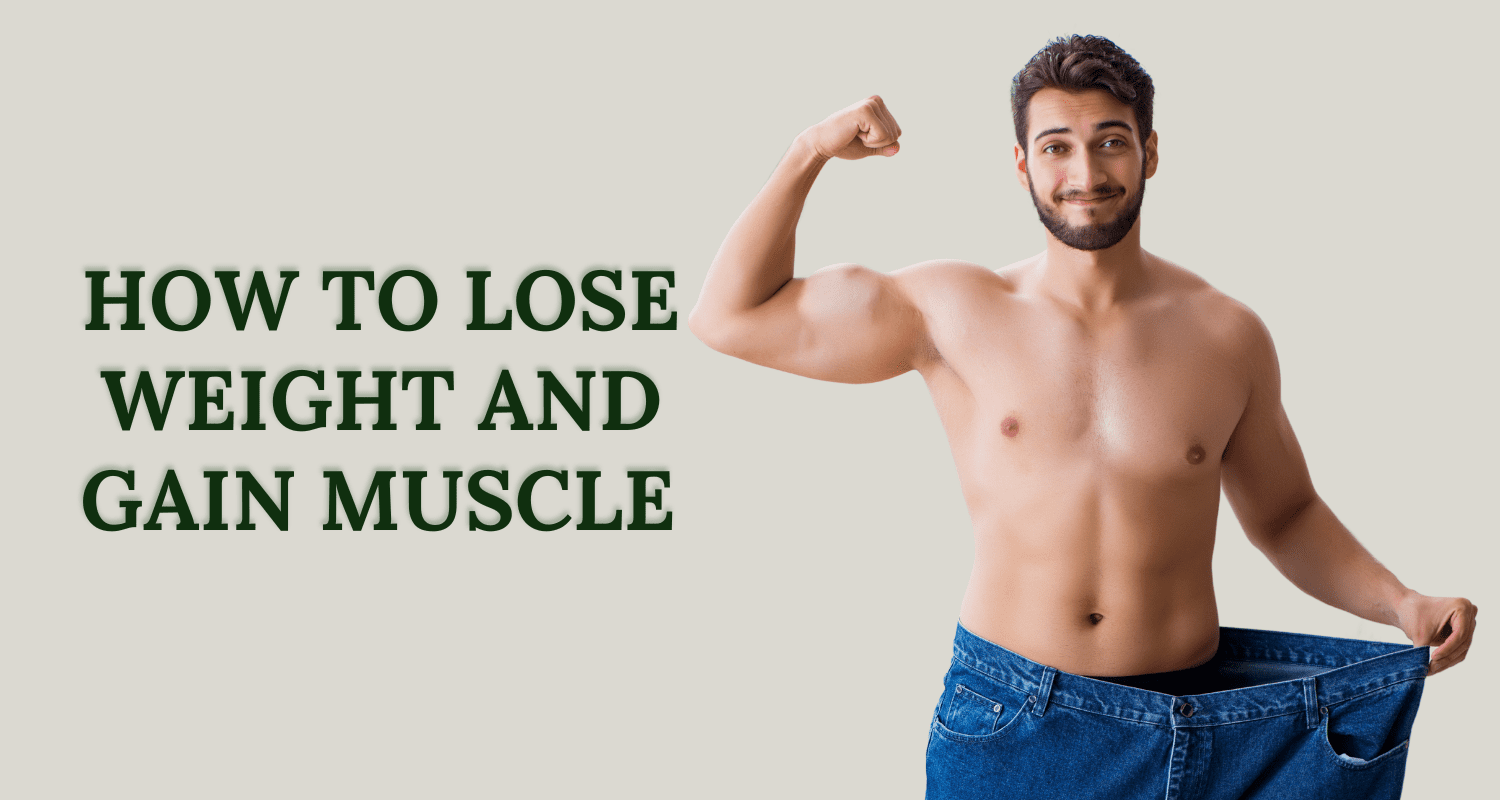
Did you know that body fat percentage is often a better indicator of health than body weight alone? Many people focus only on the number on the scale, but high body fat levels increase the risk of serious conditions like diabetes and heart disease.
If your goal is to improve your health and transform your physique, the smarter strategy isn’t just losing weight — it’s body recomposition.
Body recomposition focuses on reducing body fat while increasing lean muscle mass at the same time. Instead of simply shrinking your body, you reshape it into a stronger, healthier version.
In this guide, we’ll break down how to lose weight and gain muscle effectively, with practical, science-backed strategies.
Key Takeaways
- Body recomposition means losing fat while gaining muscle.
- Improving body composition matters more than lowering the scale number.
- A calorie deficit helps burn fat.
- High protein intake supports muscle growth and preservation.
- Resistance training is essential for building lean muscle.
What Is Body Recomposition?
Body recomposition is the process of changing your body composition — decreasing fat mass while increasing muscle mass.
Unlike traditional weight loss plans that focus only on lowering total weight, body recomposition focuses on improving your fat-to-muscle ratio.
This approach:
- Improves strength
- Boosts metabolism
- Enhances physical appearance
- Reduces disease risk
- Supports long-term sustainability
Because muscle burns more calories at rest than fat, increasing muscle mass helps improve metabolic health and makes maintaining results easier.
Preserving Muscle While Losing Fat
When dieting, preserving muscle is critical.
Research shows that higher protein intake during a calorie deficit helps maintain lean muscle mass. Many experts recommend:
- 0.7–1 gram of protein per pound of body weight daily
- Distributing protein evenly across meals
- Including protein-rich foods like eggs, chicken, fish, dairy, legumes, and tofu
Without enough protein and resistance training, weight loss can lead to muscle loss — which slows metabolism.
Body Recomposition vs. Traditional Weight Loss
Traditional weight loss focuses on reducing overall body weight. However, this often includes losing both fat and muscle.
Body recomposition focuses on:
- Reducing fat
- Building muscle
- Improving strength
- Enhancing overall body shape
While the scale may not drop dramatically, your body will look leaner and more defined.
Results may begin to show within 4–12 weeks, depending on consistency and starting point.
How to Lose Fat
1. Create a Calorie Deficit
Fat loss requires consuming fewer calories than you burn. A moderate deficit works best for preserving muscle.
Avoid extreme calorie cuts — they increase muscle loss risk.
2. Increase Protein Intake
Protein:
- Preserves muscle during fat loss
- Supports recovery
- Increases fullness
- Slightly boosts calorie burn through digestion
Aim for high-quality protein sources at every meal.
3. Improve Diet Quality
Focus on:
- Vegetables
- Fruits
- Lean proteins
- Whole grains
- Healthy fats
Reduce:
- Processed foods
- Added sugars
- Refined carbohydrates
4. Increase Fiber Intake
Fiber helps:
- Control hunger
- Improve digestion
- Reduce belly fat
- Stabilize blood sugar
Great sources include beans, vegetables, fruits, and whole grains.
How to Gain Muscle
Muscle growth requires:
- Resistance training
- Adequate protein
- Slight calorie surplus (or maintenance in beginners)
Strength Training Tips
Train 2–4 times per week using compound movements like:
- Squats
- Deadlifts
- Pushups
- Lunges
- Rows
- Bench presses
These exercises work multiple muscle groups and stimulate growth effectively.
Protein for Muscle Growth
Most research supports:
- 1.6–2.2 grams of protein per kilogram of body weight daily
This supports muscle repair and growth.
The Balanced Approach to Body Recomposition
To lose fat and gain muscle simultaneously:
- Maintain a small calorie deficit (or eat at maintenance if new to training)
- Prioritize high protein intake
- Train consistently with progressive overload
- Include moderate cardio for fat loss
- Get enough recovery and sleep
A balanced macronutrient split often works well:
- 30–35% protein
- 30–40% carbohydrates
- 25–35% fats
Adjust based on personal needs and activity level.
Can You Lose Weight and Gain Muscle at the Same Time?
Yes — especially if you are:
- New to strength training
- Returning after a long break
- Currently carrying higher body fat
This process works best when you:
- Lift weights consistently
- Eat enough protein
- Avoid extreme dieting
- Recover properly
Calorie cycling (slightly higher calories on training days and lower on rest days) may help some individuals.
Best Exercises for Body Recomposition
Resistance Training (Primary Focus)
2–4 sessions per week
Focus on progressive overload — gradually increasing weight or reps.
Cardio (Supportive Role)
Options include:
- Moderate steady cardio (walking, cycling)
- HIIT (short, intense bursts)
Aim for 150 minutes of moderate cardio per week for overall health.
Avoid excessive cardio if muscle gain is the priority.
Recovery Is Essential
Muscles grow during recovery, not during workouts.
- Rest 24–48 hours between training the same muscle group
- Sleep 7–9 hours per night
- Stay hydrated
- Manage stress
Without recovery, progress slows.
Conclusion
How do you lose weight and gain muscle?
The answer is body recomposition — a balanced approach that focuses on fat loss and muscle growth simultaneously.
To succeed:
- Maintain a moderate calorie deficit
- Eat sufficient protein
- Lift weights consistently
- Include cardio strategically
- Prioritize recovery
Body recomposition is not a quick fix. It requires patience, consistency, and smart habits. But the rewards — a leaner, stronger, healthier body — are worth the effort.
Focus on improving your body composition, not just the number on the scale. Long-term results come from sustainable habits, not extreme measures.