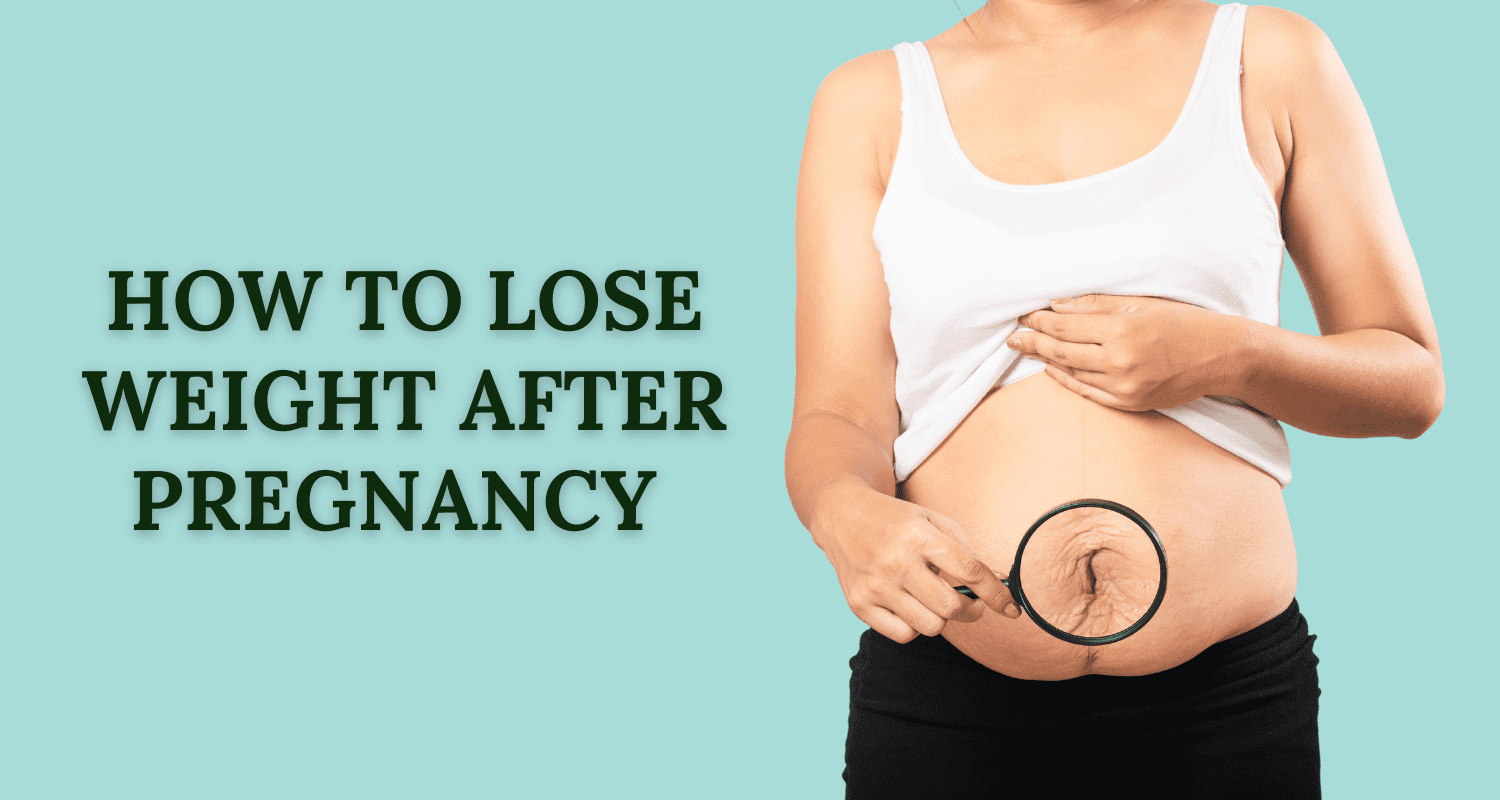
Most women can expect to return to their pre-pregnancy weight within 6 to 12 months after delivery. During the first six weeks postpartum, many women naturally lose about half of their baby weight. The remaining weight typically comes off gradually over the next several months.
Losing weight after pregnancy is absolutely possible with a combination of balanced nutrition, regular movement, breastfeeding (if you choose to), and — most importantly — patience. Recovery time matters, especially if you are nursing. Gradual weight loss of about 1–1.5 pounds per week is considered safe and sustainable.
In this article, we’ll explore practical tips on how to lose weight after pregnancy, focusing on diet, exercise, hormones, mental health, and realistic goal setting.
Key Takeaways
- Most women return to their pre-pregnancy weight within 6–12 months.
- About half of baby weight is typically lost in the first 6 weeks.
- A healthy diet, exercise, and breastfeeding can support weight loss.
- Aim for gradual weight loss (around 1–1.5 pounds per week).
- Focus on nourishing your body, not extreme dieting.
The Role of Diet in Postpartum Weight Loss
After giving birth, nutrition plays a major role in recovery and weight management. A balanced diet supports healing, energy levels, and (if applicable) milk production.
Eat Regular Meals and Snacks
Avoid skipping meals. Eating consistently helps regulate blood sugar and prevents overeating later due to extreme hunger.
Start with a Nutritious Breakfast
A balanced breakfast with protein, fiber, and healthy fats can reduce cravings and support steady energy throughout the day.
Prioritize Fiber and Protein
Fiber and protein help you feel full longer. Include:
- Whole grains
- Lean meats
- Beans and legumes
- Fruits and vegetables
Stay Hydrated
Water supports metabolism and helps control hunger. Aim for 8–12 cups daily, especially if breastfeeding.
Choose Whole Fruits Over Juice
Whole fruits provide fiber and nutrients, while juices often contain concentrated sugars and less fiber.
Avoid Crash Diets
Skipping meals or following extreme diets can lead to muscle loss and nutrient deficiencies. Sustainable, long-term habits are more effective and healthier.
Exercising for Post-Pregnancy Weight Loss
Once your healthcare provider gives approval, begin with gentle movement and gradually increase intensity.
Walking
Start with short, easy walks. Increase duration and pace as your stamina improves.
Gentle Yoga
Postpartum-friendly yoga improves flexibility, strength, and stress management.
Strength Training
Bodyweight exercises like squats and modified push-ups help rebuild muscle and boost metabolism. Progress to light weights when ready.
Cardiovascular Exercise
Aim for 150 minutes per week of moderate-intensity activity such as swimming, cycling, or dancing.
Postpartum Fitness Classes
These are designed specifically for new mothers, often focusing on core recovery and pelvic floor strength.
Always listen to your body. Rest is part of recovery, too.
The Role of Breastfeeding in Weight Loss
Breastfeeding can support postpartum weight loss because producing milk burns additional calories. The body uses stored energy from pregnancy to support milk production.
However:
- Avoid cutting calories too aggressively.
- Ensure you’re eating enough nutrient-dense foods.
- Aim for gradual weight loss (around 1–1.5 pounds per week).
Breastfeeding mothers need sufficient calories to maintain milk supply and overall health.
The Importance of Patience and Realistic Goals
Your body has gone through significant changes. Returning to your exact pre-pregnancy shape may not happen immediately — and that’s completely normal.
Focus on Health, Not Just the Scale
Instead of obsessing over numbers:
- Track strength gains
- Notice improved energy
- Celebrate healthier habits
How to Set Realistic Goals
- Talk with your healthcare provider before starting a weight loss plan.
- Consider your new schedule and responsibilities.
- Build long-term habits rather than aiming for rapid results.
Getting Back in Shape Gradually
- Start slow and increase intensity over time.
- Choose activities you genuinely enjoy.
- Stop if something feels painful or uncomfortable.
Every mother’s journey is different.
Tips for Nourishing Your Body Postpartum
Your body needs nutrients to heal and recover.
Eat a Variety of Foods
Include:
- Lean proteins
- Whole grains
- Fruits and vegetables
- Healthy fats (avocados, nuts, olive oil)
Stay Hydrated
Drink water regularly to support digestion, recovery, and milk production.
Continue Prenatal Vitamins (If Recommended)
If breastfeeding, your provider may advise continuing prenatal vitamins.
Limit Caffeine
Excess caffeine may affect both you and your baby’s sleep.
Avoid Highly Processed Foods
Whole, minimally processed foods provide better nutrition and sustained energy.
The Impact of Hormones on Postpartum Weight Loss
Hormonal shifts after childbirth can influence weight loss.
- Estrogen changes may impact fat storage.
- Cortisol (stress hormone) can slow weight loss.
- Insulin regulation affects blood sugar and fat storage.
To support hormone balance:
- Eat balanced meals with protein, healthy fats, and complex carbohydrates.
- Manage stress when possible.
- Prioritize sleep (even though it’s challenging with a newborn).
Your hormones need time to regulate. Be patient with your body.
The Connection Between Mental Health and Postpartum Weight Loss
Mental health and physical health are deeply connected.
Nutrition for Mood Support
- Complex carbohydrates support serotonin production.
- Protein stabilizes blood sugar.
- Healthy fats support brain function.
Exercise and Mental Well-Being
Physical activity releases endorphins, which improve mood and reduce stress.
Self-Care Matters
- Make time for small personal breaks.
- Stay connected with supportive people.
- Seek professional help if you feel overwhelmed.
Taking care of your mental health strengthens your weight loss journey.
Conclusion
Losing weight after pregnancy is a gradual process. There’s no single timeline that fits everyone.
Focus on:
- Balanced nutrition
- Gentle, consistent exercise
- Adequate hydration
- Realistic expectations
- Mental well-being
Your body has done something extraordinary. Treat it with patience and kindness as it recovers.
Healthy habits, not quick fixes, lead to lasting results — and help you feel strong and energized for motherhood.