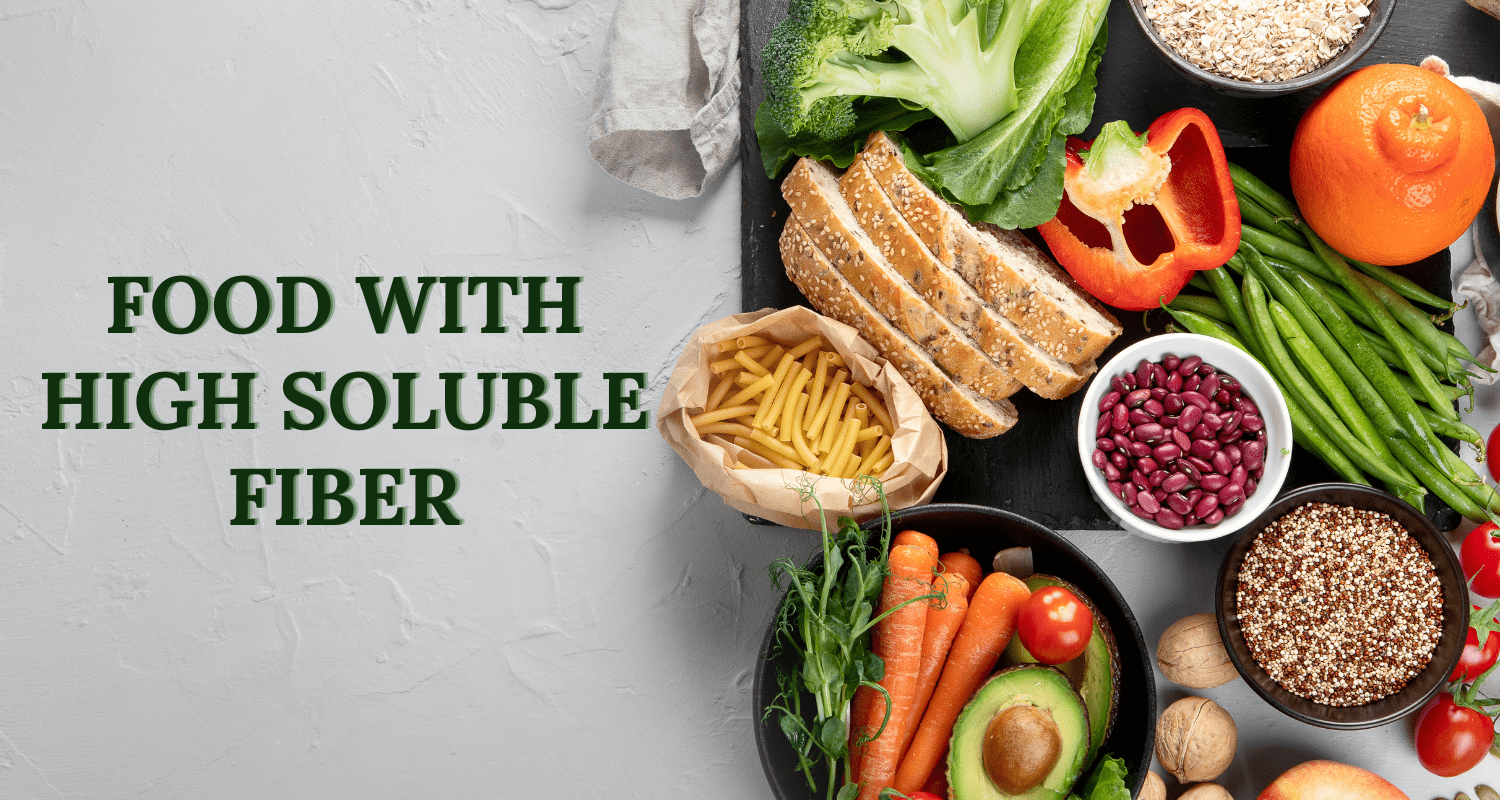
Imagine a nutrient that slows sugar absorption, lowers cholesterol, supports gut health, and keeps you feeling full longer.
That nutrient is soluble fiber.
While most people know fiber helps digestion, only about 7% of Americans meet their daily recommended fiber intake. This gap highlights the urgent need to focus on foods with high soluble fiber as part of a balanced diet.
Today, food is more than just fuel — it’s an opportunity to strengthen your health. Adding soluble fiber-rich foods to your meals is one of the simplest and most powerful steps toward better wellness.
Let’s explore the best foods with high soluble fiber and how you can easily include them in your daily routine.
Key Takeaways
- Soluble fiber improves digestion, regulates blood sugar, and lowers cholesterol.
- Most people consume far less fiber than recommended.
- Foods high in soluble fiber are essential for a well-rounded diet.
- Increasing fiber intake may reduce the risk of heart disease and type 2 diabetes.
- Simple meal planning makes it easy to boost soluble fiber intake daily.
What Is Soluble Fiber?
Soluble fiber is a type of dietary fiber that dissolves in water and forms a gel-like substance in the digestive system.
Unlike insoluble fiber (which adds bulk to stool), soluble fiber slows digestion. This helps:
- Keep you fuller longer
- Improve nutrient absorption
- Stabilize blood sugar
- Support heart health
You’ll find soluble fiber in foods like oats, beans, fruits, and certain vegetables.
Health Benefits of Soluble Fiber
1. Improves Digestive Health
Soluble fiber helps soften stool and reduce constipation. It also feeds beneficial gut bacteria, supporting a healthier microbiome and stronger immune function.
2. Lowers Cholesterol
Soluble fiber binds to cholesterol particles in the digestive system and helps remove them from the body. This may reduce LDL (“bad”) cholesterol and lower heart disease risk.
3. Regulates Blood Sugar
Because it slows carbohydrate absorption, soluble fiber helps prevent blood sugar spikes — making it especially helpful for people with insulin resistance or type 2 diabetes.
4. Supports Weight Management
Soluble fiber increases fullness and reduces hunger, which may help control calorie intake and support healthy weight loss.
Best Foods With High Soluble Fiber
Here are some of the top soluble fiber-rich foods you can easily add to your meals:
- Oats – A powerful breakfast staple packed with beta-glucan fiber.
- Black beans – High in both protein and soluble fiber.
- Brussels sprouts – Nutrient-dense and fiber-rich.
- Avocados – Contain healthy fats and fiber.
- Sweet potatoes – Rich in fiber and beta-carotene.
- Lentils – Excellent for soups and stews.
- Barley – A whole grain loaded with soluble fiber.
- Apples and pears – Especially high in fiber when eaten with the skin.
Adding a variety of these foods ensures you meet daily fiber needs while keeping meals interesting.
Recommended Daily Fiber Intake
Experts generally recommend:
- Women: ~25 grams per day
- Men: ~38 grams per day
This includes both soluble and insoluble fiber.
If you’re currently eating a low-fiber diet, increase intake gradually to avoid digestive discomfort.
Balancing Soluble and Insoluble Fiber
Both types of fiber are important.
| Soluble Fiber | Insoluble Fiber |
|---|---|
| Dissolves in water | Does not dissolve |
| Lowers cholesterol | Prevents constipation |
| Stabilizes blood sugar | Promotes bowel movement |
| Found in oats, beans, fruits | Found in whole grains, vegetables |
A balanced diet includes both.
How to Add Soluble Fiber to Your Meals
Breakfast Ideas
- Oatmeal topped with apples or berries
- Smoothie with banana and chia seeds
- Whole-grain cereal with fruit
Lunch Ideas
- Quinoa salad with black beans
- Vegetable soup with lentils
- Whole-grain wrap with hummus
Dinner Ideas
- Steamed vegetables with barley
- Lentil stew
- Sweet potatoes with roasted veggies
High-Fiber Snack Ideas
Smart snacking can boost your fiber intake:
- Almonds or mixed nuts
- Air-popped popcorn
- Apple or pear slices
- Carrot and cucumber sticks
- Chia seed pudding
Smart Tips for Increasing Fiber Intake
- Choose whole grains over refined grains.
- Add beans or lentils to soups and salads.
- Eat fruits with the skin on when possible.
- Read food labels and look for “whole grain” as the first ingredient.
- Increase fiber gradually and drink plenty of water.
Understanding Food Labels for Fiber
When grocery shopping:
- Check the “Dietary Fiber” section on nutrition labels.
- Aim for foods with at least 3–5 grams of fiber per serving.
- Be cautious with “enriched” products — they often contain less fiber.
Reading labels helps you make informed, fiber-focused choices.
Comparing Soluble Fiber in Common Foods
High soluble fiber foods include:
- Beans – Great for heart health
- Lentils – Quick-cooking and versatile
- Peas – High in plant protein and fiber
- Barley – Excellent for cholesterol support
Adding a mix of these foods ensures a diverse nutrient intake.
Why Soluble Fiber Matters in a Balanced Diet
Soluble fiber is not just helpful — it’s essential.
It supports:
- Gut health
- Heart health
- Blood sugar balance
- Weight management
- Reduced inflammation
By consistently including fiber-rich foods in your diet, you build a strong foundation for long-term wellness.
Final Thoughts
Foods with high soluble fiber are powerful tools for improving digestion, lowering cholesterol, and maintaining stable blood sugar levels.
Oats, beans, fruits, vegetables, and whole grains are simple additions that make a big impact.
Healthy eating isn’t about drastic changes — it’s about smart, consistent choices.
Start small. Add one fiber-rich food to your meals today. Over time, these small habits lead to big health benefits.
If you have specific medical conditions or dietary concerns, consult a healthcare professional or registered dietitian for personalized guidance.