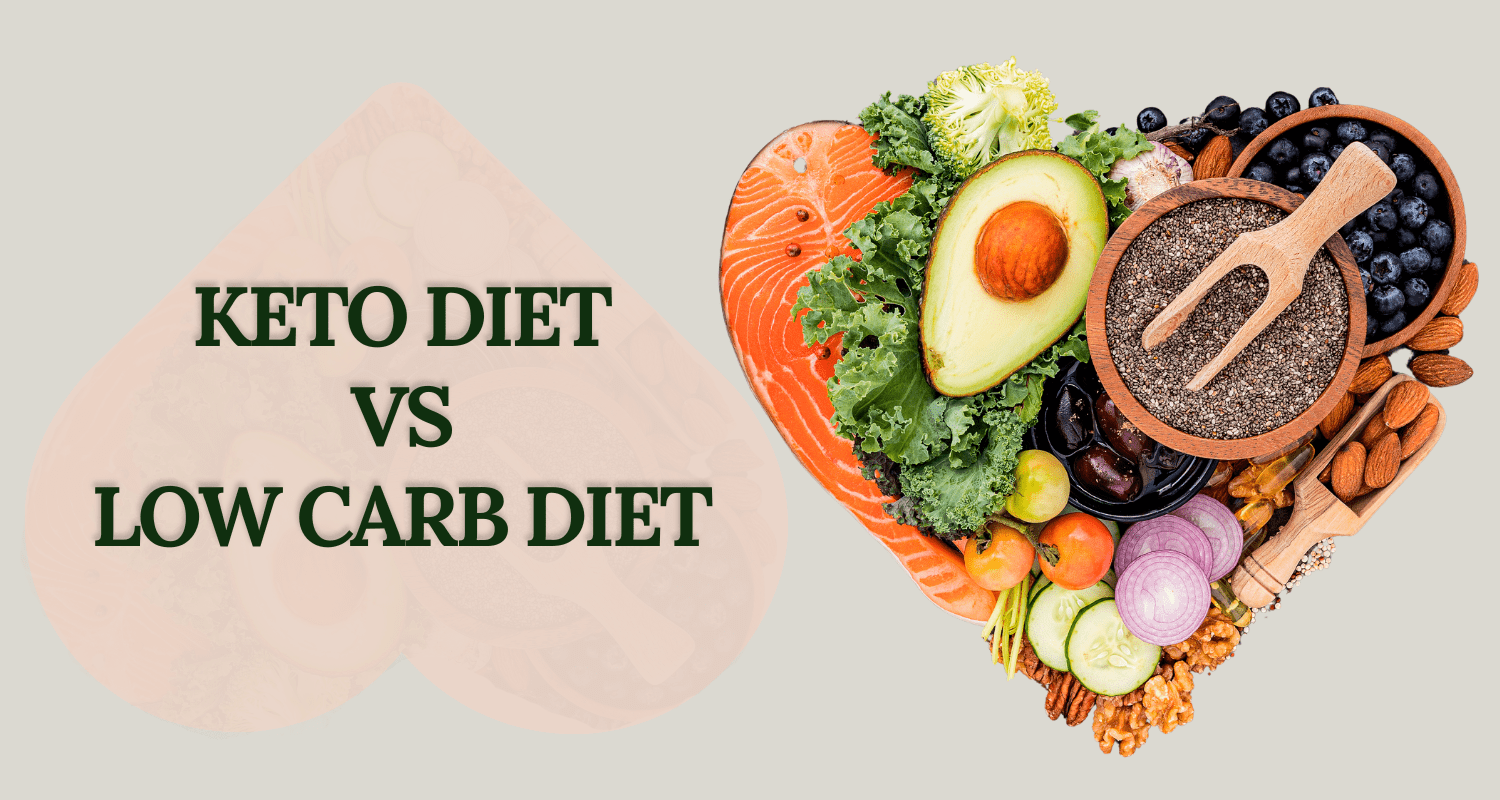
The low carb diet and the keto diet are both popular approaches for weight loss and improving overall health. At first glance, they may seem similar because both reduce carbohydrate intake. However, there are important differences between them.
Understanding the differences between a low carb diet vs keto diet can help you decide which approach aligns best with your health goals.
Let’s break it down in a simple and practical way.
Key Takeaways
- The keto diet aims to induce ketosis by severely restricting carbohydrates.
- A low carb diet reduces carbs but does not necessarily aim for ketosis.
- Macronutrient ratios differ significantly between the two diets.
- Keto is stricter, while low carb is more flexible.
- The best choice depends on your goals, preferences, and medical conditions.
- Always consult a healthcare professional before starting a new diet.
Understanding the Keto Diet
The Ketogenic diet (keto diet) is a very low-carb, high-fat eating plan designed to push your body into a metabolic state called ketosis.
In ketosis, your body burns fat for fuel instead of glucose (carbohydrates).
Typical Keto Macronutrient Breakdown:
- 70% fat
- 20% protein
- 10% carbohydrates (usually under 50g per day)
When carbs are drastically reduced, the liver produces ketones from fat, which become the body’s primary energy source.
Keto Diet for Weight Loss
Many people choose keto for weight loss because:
- It shifts the body into fat-burning mode
- Appetite may decrease
- Blood sugar levels may stabilize
Some individuals experience rapid initial weight loss. However, long-term sustainability can vary from person to person.
Tips for Keto Beginners
If you’re considering keto:
- Focus on healthy fats (avocados, olive oil, nuts)
- Choose quality protein (fish, poultry, lean meats)
- Avoid refined carbs and sugary foods
- Track your carb intake carefully
- Stay hydrated
- Give your body time to adapt (keto flu may occur initially)
Because keto is strict, meal planning and nutrient tracking are essential.
Understanding the Low Carb Diet
A low carb diet also reduces carbohydrate intake but is more flexible than keto. It does not require entering ketosis.
Typical Low Carb Macronutrient Range:
- 50–150 grams of carbs per day
- Moderate protein
- Moderate to higher fat intake
Unlike keto, the low carb diet allows more variety and flexibility, making it easier for many people to maintain long-term.
Benefits of a Low Carb Diet
Here’s why many people prefer low carb:
1. Weight Loss
Reducing carbs often reduces total calorie intake, which supports weight loss.
2. Better Blood Sugar Control
Lower carb intake helps stabilize blood sugar levels — beneficial for people with insulin resistance or type 2 diabetes.
3. Reduced Cravings
Avoiding refined sugars can decrease hunger spikes and cravings.
4. Increased Satiety
Higher protein and fat intake helps you feel full longer.
5. Heart Health
Some people see improvements in blood pressure and cholesterol markers.
Key Differences: Low Carb Diet vs Keto Diet
Here’s a side-by-side comparison to make it clearer:
| Feature | Keto Diet | Low Carb Diet |
|---|---|---|
| Carb Intake | Under 50g daily | 50–150g daily |
| Goal | Achieve ketosis | Reduce carbs, not necessarily ketosis |
| Fat Intake | Very high (around 70%) | Moderate to high |
| Protein Intake | Moderate | Often higher than keto |
| Flexibility | Strict | More flexible |
| Sustainability | Can be challenging long-term | Easier for many people |
1. Carbohydrate Restriction
Keto drastically limits carbs to force ketosis.
Low carb simply reduces carbs without aiming for ketosis.
2. Fat and Protein Focus
Keto emphasizes fat as the primary energy source.
Low carb may emphasize protein more, which can support muscle building.
3. Weight Loss Speed
- Keto may produce faster initial weight loss due to water loss and ketosis.
- Low carb may be more sustainable for long-term weight management.
4. Muscle Building
Protein is essential for muscle growth.
Low carb diets often provide more protein flexibility, which may benefit those focused on strength training.
Keto requires careful protein balance to avoid interfering with ketosis.
5. Ketosis Potential
- Keto is specifically designed to induce and maintain ketosis.
- Low carb diets may not consistently lead to ketosis because carbs are not restricted as strictly.
Which Is Better: Low Carb or Keto?
There is no one-size-fits-all answer.
Choose low carb if:
- You want flexibility
- You prefer a sustainable long-term plan
- You don’t want strict tracking
Choose keto if:
- You want a structured, strict approach
- You aim to enter ketosis
- You’re comfortable tracking macros closely
Your lifestyle, health conditions, and goals matter most.
Final Thoughts
Both the low carb diet and the keto diet can support weight loss and improved health when followed properly.
The key difference lies in how strict the carbohydrate restriction is and whether ketosis is the goal.
If you prefer flexibility and long-term sustainability, low carb may be ideal.
If you prefer a structured, high-fat approach focused on fat-burning metabolism, keto might be a better fit.
Before starting either diet, consult a healthcare professional or registered dietitian to ensure it aligns with your individual health needs.
Consistency matters more than perfection — choose a plan you can maintain for long-term success.