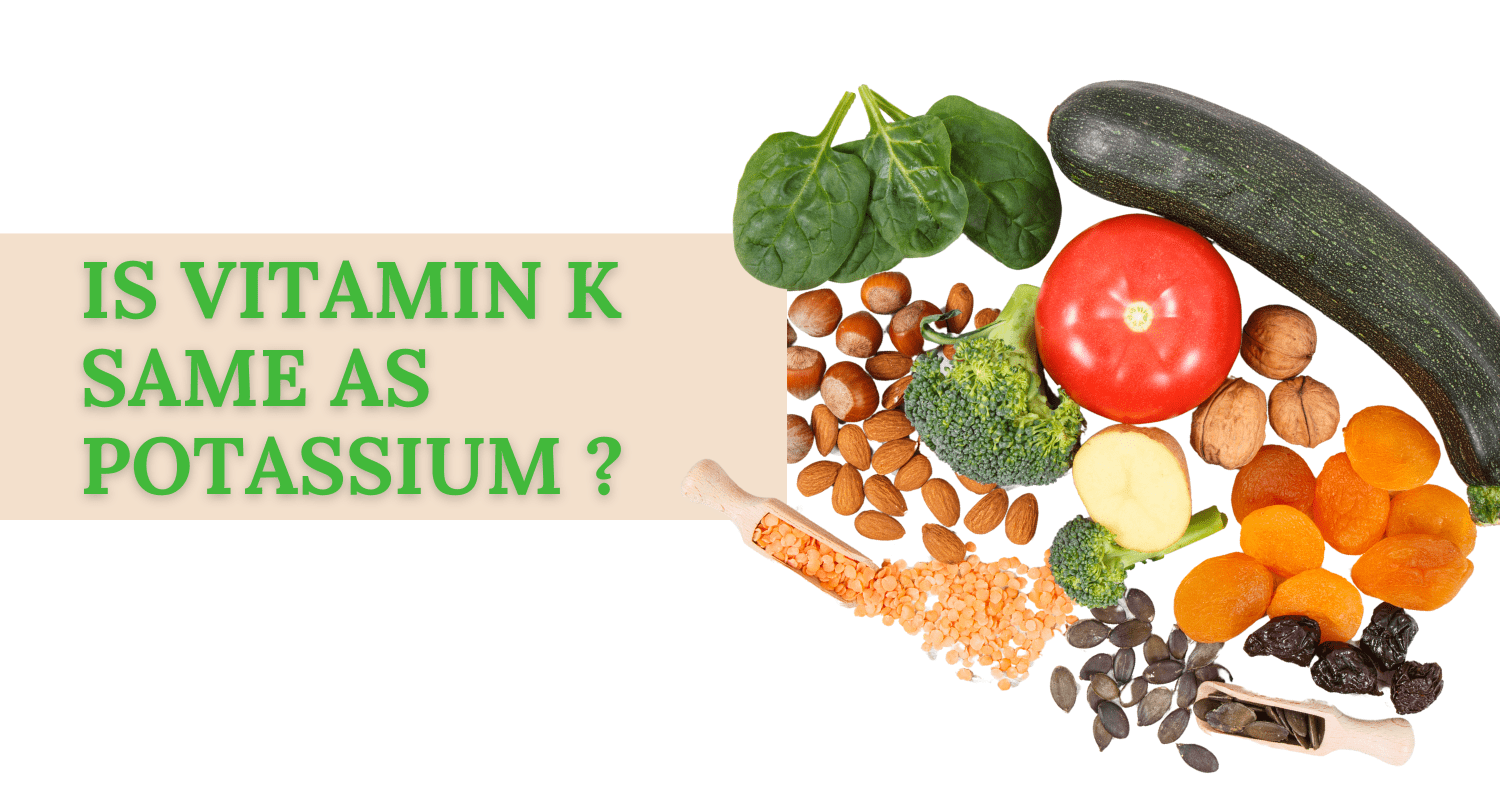
Have you ever wondered whether vitamin K and potassium are the same thing?
You’re not alone. Many people confuse these two nutrients because their names sound similar. However, they play very different roles in the body.
Both vitamin K and potassium are essential for good health, but they support different biological functions. Understanding how they differ can help you make better dietary choices.
In this article, we’ll explore whether vitamin K is the same as potassium, examine their health benefits, and identify the best food sources for each.
Key Takeaways
- Vitamin K and potassium are not the same. They are different types of nutrients with unique roles in the body.
- Vitamin K supports blood clotting and bone health.
- Potassium helps regulate fluid balance, blood pressure, and muscle function.
- Vitamin K is a fat-soluble vitamin, while potassium is an essential mineral.
- Both nutrients contribute to overall health, including heart and bone support.
- Some individuals with specific medical conditions or medications may need to monitor their intake of vitamin K or potassium.
Understanding Vitamin K and Its Functions
Vitamin K plays a crucial role in several important body processes.
Blood Clotting
One of its primary functions is helping blood clot properly. This process prevents excessive bleeding when you get injured. Doctors may also use vitamin K to reverse the effects of certain blood-thinning medications.
Bone Health
Vitamin K also contributes to bone strength. It helps produce proteins that support bone formation and density, which may reduce the risk of fractures and conditions like osteoporosis.
Potential Heart and Brain Benefits
Some research suggests vitamin K may support cardiovascular health and possibly contribute to cognitive function, although more studies are needed.
Foods Rich in Vitamin K
You can obtain vitamin K through a variety of foods, including:
- Leafy greens such as kale, spinach, and broccoli
- Vegetable oils like soybean and canola oil
- Certain fruits such as kiwi and blueberries
- Fermented foods like natto
Including these foods in your diet can help maintain healthy vitamin K levels.
Understanding Potassium and Its Functions
Potassium is an essential mineral and electrolyte that helps regulate many body processes.
Fluid Balance
Potassium helps control the balance of fluids inside and outside cells, which is necessary for proper cellular function.
Muscle Function
This mineral is essential for muscle contraction, including the muscles responsible for movement and the heart.
Nerve Function
Potassium allows nerve signals to travel between the brain, spinal cord, and muscles.
Blood Pressure Regulation
Potassium works with sodium to maintain healthy blood pressure levels, which helps protect heart health.
Key Differences Between Vitamin K and Potassium
Although both nutrients are important, they differ in several ways.
Vitamin K
- Fat-soluble vitamin
- Supports blood clotting
- Helps maintain strong bones
Potassium
- Essential mineral and electrolyte
- Maintains fluid balance
- Supports muscle and nerve function
- Helps regulate heart rhythm and blood pressure
Because their roles are so different, it’s important not to confuse the two.
Similarities Between Vitamin K and Potassium
Despite their differences, vitamin K and potassium share some similarities.
- Both are essential nutrients required for overall health.
- Each supports important body functions.
- Many plant-based foods contain both nutrients.
For example, leafy green vegetables such as spinach and kale provide both vitamin K and potassium.
Eating a balanced diet rich in whole foods helps ensure adequate intake of both nutrients.
Best Food Sources of Vitamin K
Vitamin K is found in many plant-based foods.
Leafy Green Vegetables
Some of the richest sources include:
- Kale
- Spinach
- Broccoli
Vegetable Oils
Oils such as:
- Soybean oil
- Canola oil
- Olive oil
Fruits
Certain fruits provide moderate amounts, including:
- Prunes
- Blueberries
- Kiwis
Fermented Foods
A traditional Japanese fermented soybean dish called natto is one of the highest sources of vitamin K.
Because vitamin K is fat-soluble, consuming it with healthy fats can improve absorption.
Best Food Sources of Potassium
Potassium is widely available in both plant and animal foods.
Fruits
- Bananas
- Oranges and other citrus fruits
- Avocados
Vegetables
- Spinach
- Sweet potatoes
- Potatoes
- Tomatoes
Legumes
- Beans
- Lentils
- Chickpeas
Nuts and Seeds
- Almonds
- Pistachios
- Sunflower seeds
Dairy Products
- Milk
- Yogurt
Including a variety of these foods helps maintain healthy potassium levels.
Why Vitamin K Intake Matters
Getting enough vitamin K supports several important functions:
- Proper blood clotting
- Bone strength and density
- Reduced fracture risk
Research also suggests potential benefits for heart health and cognitive function.
Deficiency is rare but can occur in people with certain medical conditions that affect fat absorption.
Why Potassium Intake Matters
Adequate potassium intake is essential for many aspects of health.
Benefits of Potassium
- Maintains proper fluid balance
- Supports healthy muscle function
- Helps regulate blood pressure
- Contributes to heart health
- Supports bone strength
Eating potassium-rich foods regularly can improve overall health.
However, individuals with kidney disease may need to monitor potassium intake and should consult a healthcare professional.
Conclusion
Vitamin K and potassium are both essential nutrients, but they serve very different roles in the body.
Vitamin K helps with blood clotting and bone health, while potassium supports fluid balance, muscle function, and heart health.
Vitamin K is a fat-soluble vitamin, whereas potassium is an important mineral and electrolyte.
Maintaining a balanced diet rich in fruits, vegetables, whole foods, and healthy fats is the best way to ensure you get adequate amounts of both nutrients.