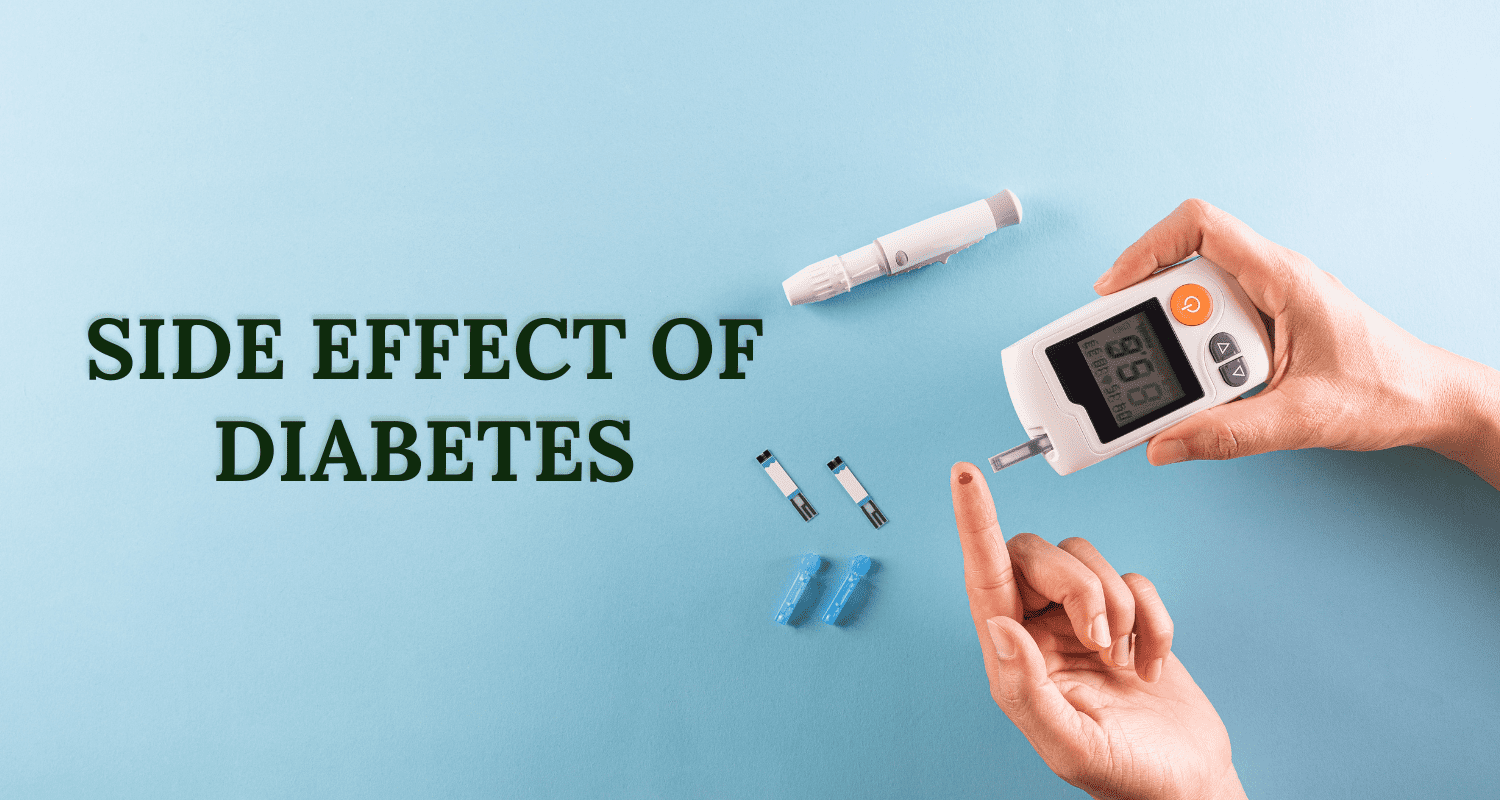
Diabetes is a group of metabolic diseases that affect how the body uses blood sugar (glucose). When the body cannot properly regulate glucose levels, blood sugar can rise to unhealthy levels. Over time, high blood sugar can lead to serious health complications if not properly managed.
There are several types of diabetes, including type 1 diabetes, type 2 diabetes, prediabetes, and gestational diabetes. Each type affects the body differently, but all require careful management to prevent complications.
Common symptoms of diabetes include increased thirst, frequent urination, unexplained weight loss, fatigue, blurry vision, slow-healing sores, and frequent infections. Because these symptoms can develop gradually, early diagnosis and treatment are essential for protecting long-term health.
In this article, we’ll explore the side effects of diabetes, potential complications, and lifestyle changes that can help manage the condition effectively.
Key Takeaways
- Diabetes affects millions of people in the United States.
- The main types include type 1 diabetes, type 2 diabetes, prediabetes, and gestational diabetes.
- Symptoms may include increased thirst, frequent urination, fatigue, blurred vision, slow wound healing, and frequent infections.
- Early diagnosis and proper management can help prevent serious complications.
Chronic Complications of Diabetes
Living with diabetes requires ongoing care to avoid complications that develop over time. These chronic complications usually appear gradually and can affect multiple organs in the body.
Diabetic Neuropathy
Diabetic neuropathy is nerve damage caused by prolonged high blood sugar levels. It commonly affects the hands and feet and can cause symptoms such as:
- Tingling
- Numbness
- Burning sensations
- Pain
This condition can significantly affect quality of life if not managed properly.
Diabetic Retinopathy
Diabetic retinopathy affects the blood vessels in the eyes. Over time, high blood sugar can damage these vessels, which may lead to vision problems or even blindness.
Regular eye examinations are essential for detecting this condition early and preventing vision loss.
Diabetic Nephropathy
Diabetic nephropathy refers to kidney damage caused by diabetes. The kidneys filter waste from the blood, but prolonged high glucose levels can damage the small blood vessels inside them.
This condition increases the risk of chronic kidney disease and kidney failure, making routine kidney monitoring important for people with diabetes.
Cardiovascular Disease
People with diabetes have a significantly higher risk of developing heart disease and stroke.
High blood sugar levels can damage blood vessels and increase the likelihood of:
- Heart attacks
- Stroke
- High blood pressure
- Atherosclerosis (narrowing of the arteries)
Managing blood sugar, blood pressure, and cholesterol levels can help reduce cardiovascular risk.
Acute Complications of Diabetes
In addition to long-term complications, diabetes can also cause acute (sudden) health emergencies. These conditions require immediate attention.
Hypoglycemia (Low Blood Sugar)
Hypoglycemia occurs when blood sugar levels drop too low. It can happen due to:
- Excess insulin or diabetes medication
- Skipping meals
- Intense physical activity
Symptoms of hypoglycemia include:
- Sweating
- Dizziness
- Confusion
- Weakness
- Fainting
Prompt treatment is important to restore normal blood sugar levels.
Diabetic Ketoacidosis (DKA)
Diabetic ketoacidosis is a serious complication that occurs when the body cannot use glucose for energy and begins breaking down fat instead.
This process produces ketones, which build up in the blood and can become dangerous.
Symptoms of DKA may include:
- Nausea and vomiting
- Abdominal pain
- Rapid breathing
- Fruity-smelling breath
- Extreme fatigue
DKA requires immediate medical treatment.
Complications During Pregnancy
Gestational diabetes develops during pregnancy and can affect both the mother and the baby if not managed properly.
Possible Complications
Gestational diabetes may lead to several pregnancy-related complications, including:
Large birth weight (macrosomia)
Babies may grow larger than normal, which can make delivery more difficult and increase the risk of birth injuries.
Low blood sugar in newborns
After birth, babies may experience low blood sugar levels because their bodies continue producing high levels of insulin.
Higher risk of type 2 diabetes later in life
Children born to mothers with gestational diabetes may have a greater risk of developing type 2 diabetes later in life.
Preeclampsia in the mother
Gestational diabetes can increase the risk of preeclampsia, a condition characterized by high blood pressure during pregnancy.
Proper medical care and monitoring can help manage gestational diabetes and reduce these risks.
Prevention and Management of Diabetes
Proper diabetes management is essential for maintaining overall health and preventing complications.
Although type 1 diabetes cannot be prevented, lifestyle changes can significantly reduce the risk of developing type 2 diabetes.
Prevention Strategies
Several lifestyle habits can help reduce the risk of diabetes:
Eat a balanced diet
Focus on fruits, vegetables, whole grains, lean proteins, and healthy fats.
Exercise regularly
Activities such as walking, cycling, or swimming help improve insulin sensitivity and maintain a healthy weight.
Maintain a healthy weight
Weight management plays a key role in preventing type 2 diabetes.
Avoid smoking
Smoking increases the risk of diabetes and many other health conditions.
Diabetes Management Strategies
If you already have diabetes, effective management can help prevent complications.
Important steps include:
- Monitoring blood sugar levels regularly
- Taking medications or insulin as prescribed
- Following a personalized diet and exercise plan
- Scheduling regular medical checkups
- Managing blood pressure and cholesterol levels
Working closely with a healthcare provider ensures better long-term diabetes control.
Importance of Regular Medical Follow-Ups
Routine medical visits play a crucial role in diabetes care. These appointments help monitor important health indicators such as:
- Blood sugar levels
- Blood pressure
- Cholesterol levels
Regular checkups also allow healthcare providers to detect complications early and adjust treatment plans when necessary.
The Diabetes Healthcare Team
Managing diabetes often involves a team of healthcare professionals, including:
- Primary care doctors
- Endocrinologists
- Nurses
- Registered dietitians
- Diabetes educators
These professionals work together to create personalized care plans that help individuals manage diabetes more effectively.
They may also refer patients to specialists such as:
- Eye doctors (ophthalmologists)
- Foot specialists (podiatrists)
- Kidney specialists (nephrologists)
Lifestyle Modifications for Better Diabetes Management
Lifestyle changes are one of the most effective ways to control diabetes and improve overall health.
Healthy Eating
A nutritious diet helps regulate blood sugar levels. Focus on foods such as:
- Fruits and vegetables
- Whole grains
- Lean protein sources
- Healthy fats
Limiting processed foods, sugary drinks, and excessive refined carbohydrates can also help maintain stable blood sugar levels.
Physical Activity
Regular physical activity improves insulin sensitivity and supports weight management.
Experts recommend at least 150 minutes of moderate exercise per week, such as:
- brisk walking
- cycling
- swimming
- dancing
Strength training exercises can also help build muscle and improve metabolic health.
Weight Management
Losing even 5–10% of body weight can significantly improve blood sugar control and reduce diabetes complications.
Healthy eating combined with regular physical activity is the most effective approach to sustainable weight loss.
Diabetes Self-Care
Self-care plays a major role in diabetes management. Important self-care practices include:
- Monitoring blood glucose levels regularly
- Taking medications as prescribed
- Managing stress through relaxation techniques
- Getting adequate sleep
These habits help maintain stable blood sugar levels and improve overall well-being.
Importance of Smoking Cessation
Smoking is particularly harmful for people with diabetes. It increases the risk of several serious health complications, including:
- heart disease
- stroke
- kidney disease
- poor blood circulation
Quitting smoking can significantly improve cardiovascular health and reduce diabetes-related complications.
Healthcare providers can offer support through counseling, medications, and nicotine replacement therapies to help individuals quit smoking successfully.
Conclusion
Managing diabetes effectively is essential for preventing the side effects of diabetes and reducing the risk of long-term complications.
Healthy lifestyle habits—including balanced nutrition, regular physical activity, blood sugar monitoring, and routine medical visits—play a critical role in diabetes management.
Working closely with healthcare professionals and following a personalized treatment plan can help individuals maintain stable blood sugar levels and improve their overall quality of life.
With the right support and commitment to healthy habits, people living with diabetes can successfully manage the condition and lead long, healthy lives.