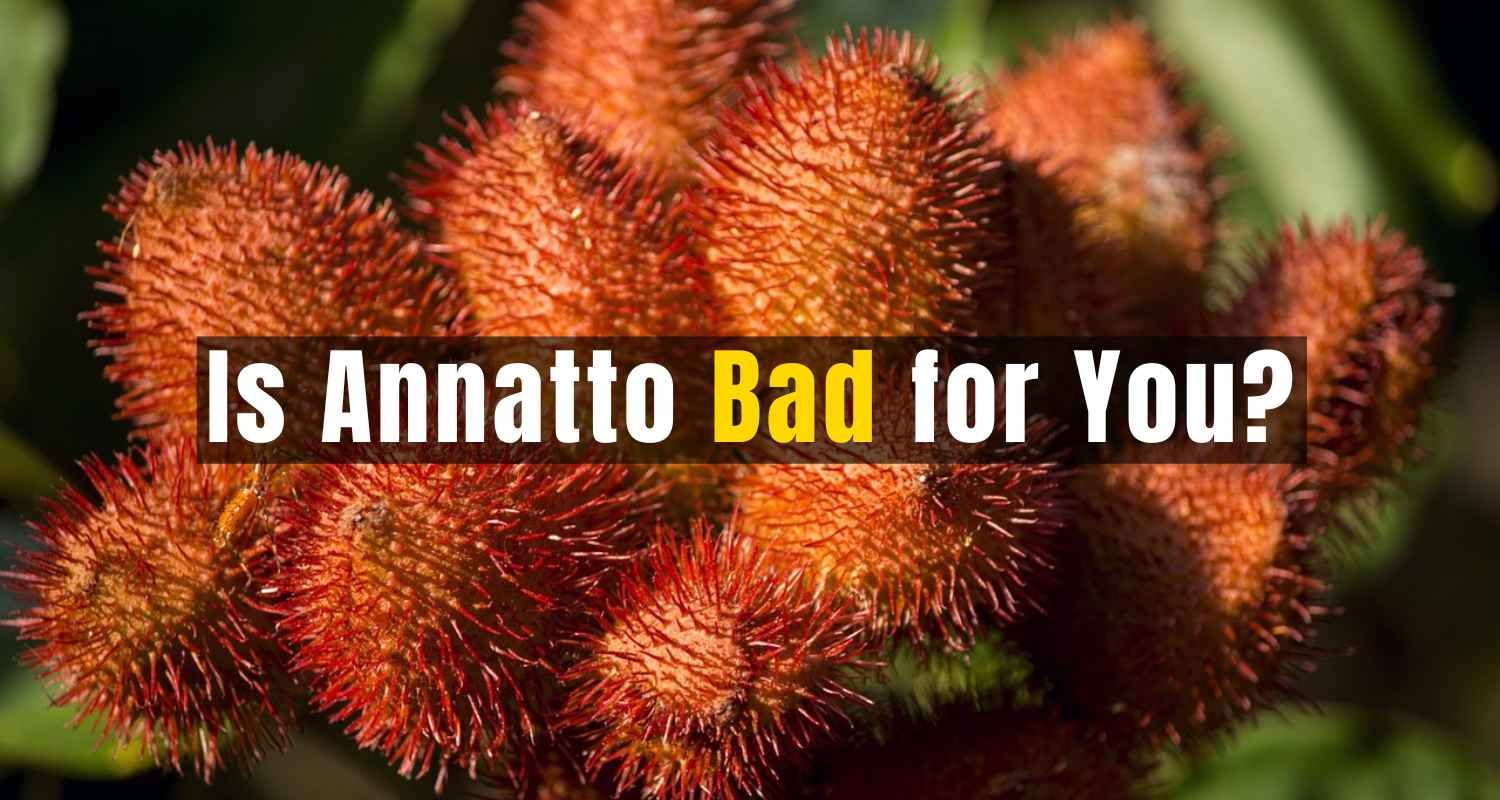
Annatto is one of the most widely used natural food colorings in the world. In fact, it’s estimated that more than 70% of yellow and orange processed foods contain annatto.
Because it’s so common in everyday foods, many people ask: Is annatto bad for you?
In this guide, we’ll explore what annatto is, where it comes from, how it’s used in food, and whether it poses any health risks. We’ll also examine the potential benefits, side effects, and allergy concerns associated with annatto consumption.
Key Takeaways
- Annatto is a natural food coloring used widely in processed foods.
- It comes from the seeds of the Bixa orellana plant, commonly called the achiote tree.
- Research suggests annatto contains antioxidants and anti-inflammatory compounds.
- Most people tolerate annatto well, but some individuals may experience allergic reactions.
- Current evidence suggests annatto is generally safe when consumed in normal food amounts.
What Is Annatto?
Annatto is a natural pigment extracted from the seeds of the tropical achiote tree. These seeds contain compounds called bixin and norbixin, which produce the distinctive yellow-orange color seen in many foods.
The plant originates from Central and South America, where Indigenous communities have used it for centuries as:
- a food coloring
- a spice
- a natural dye
- a traditional medicinal ingredient
Today, annatto is widely cultivated in countries such as Brazil, Peru, and the Philippines.
Common Uses of Annatto in Food
Because of its vibrant color, annatto is frequently used as a natural alternative to artificial food dyes.
You’ll often find annatto in foods like:
- cheese (especially cheddar)
- butter and margarine
- ice cream
- snack foods
- baked goods
- cereals
- sauces and dressings
For example, many manufacturers add annatto to cheddar cheese to give it its familiar orange color.
Potential Health Benefits of Annatto
Although annatto is mostly used as a coloring agent, some research suggests it may offer certain health benefits.
1. Antioxidant Properties
Annatto contains antioxidants such as tocotrienols, a form of vitamin E. These compounds help neutralize harmful molecules called free radicals.
Antioxidants may support overall health by reducing oxidative stress in the body.
2. Anti-Inflammatory Effects
Preliminary studies suggest some compounds in annatto may help reduce inflammation. Chronic inflammation is associated with conditions like heart disease and arthritis.
3. Possible Heart Health Support
Tocotrienols found in annatto may help support cardiovascular health by improving cholesterol balance.
According to the National Institutes of Health, vitamin E compounds such as tocotrienols may play a role in protecting cells and supporting cardiovascular health.
However, more human studies are needed to confirm these benefits.
Possible Side Effects of Annatto
Although annatto is generally considered safe, some people may experience side effects.
Allergic Reactions
A small number of people may be allergic to annatto. Reported symptoms include:
- skin rashes
- itching or hives
- swelling
- stomach discomfort
- breathing difficulties (rare)
People with existing food allergies may be more sensitive to annatto.
Digestive Issues
In rare cases, sensitive individuals may experience mild digestive problems such as:
- nausea
- abdominal pain
- stomach upset
These reactions are uncommon but possible.
Annatto Allergy: How Common Is It?
Annatto allergies are considered rare, but they have been reported in medical literature.
According to the Food and Drug Administration, annatto is approved as a safe food coloring when used within recommended limits. However, individuals who experience symptoms should avoid foods containing annatto.
If you suspect an allergy, a healthcare professional can help determine the cause.
Annatto Safety and Toxicity
Current scientific evidence suggests annatto is safe for most people when consumed in normal food amounts.
Food safety authorities classify it as a generally safe natural food additive.
However, excessive consumption of any food additive could potentially cause issues, so moderation is always recommended.
People who should be cautious include:
- individuals with food allergies
- people taking blood-thinning medications
- individuals with known sensitivities to food dyes
If you have concerns, consult a healthcare professional before significantly increasing your intake.
Alternatives to Annatto
If you’re sensitive or allergic to annatto, several natural alternatives can provide similar color in foods.
Common substitutes include:
- turmeric
- paprika
- saffron
- carrot extract
These ingredients can offer similar coloring properties without triggering annatto sensitivity.
The Bottom Line
So, is annatto bad for you?
For most people, the answer is no. Annatto is widely used as a natural food coloring and is considered safe by major food safety authorities.
It may even offer some health benefits thanks to its antioxidant and anti-inflammatory compounds.
However, a small number of individuals may experience allergies or sensitivities. If you notice unusual symptoms after consuming foods containing annatto, it’s best to avoid it and consult a healthcare professional.
Overall, annatto can be safely enjoyed as part of a balanced and varied diet.