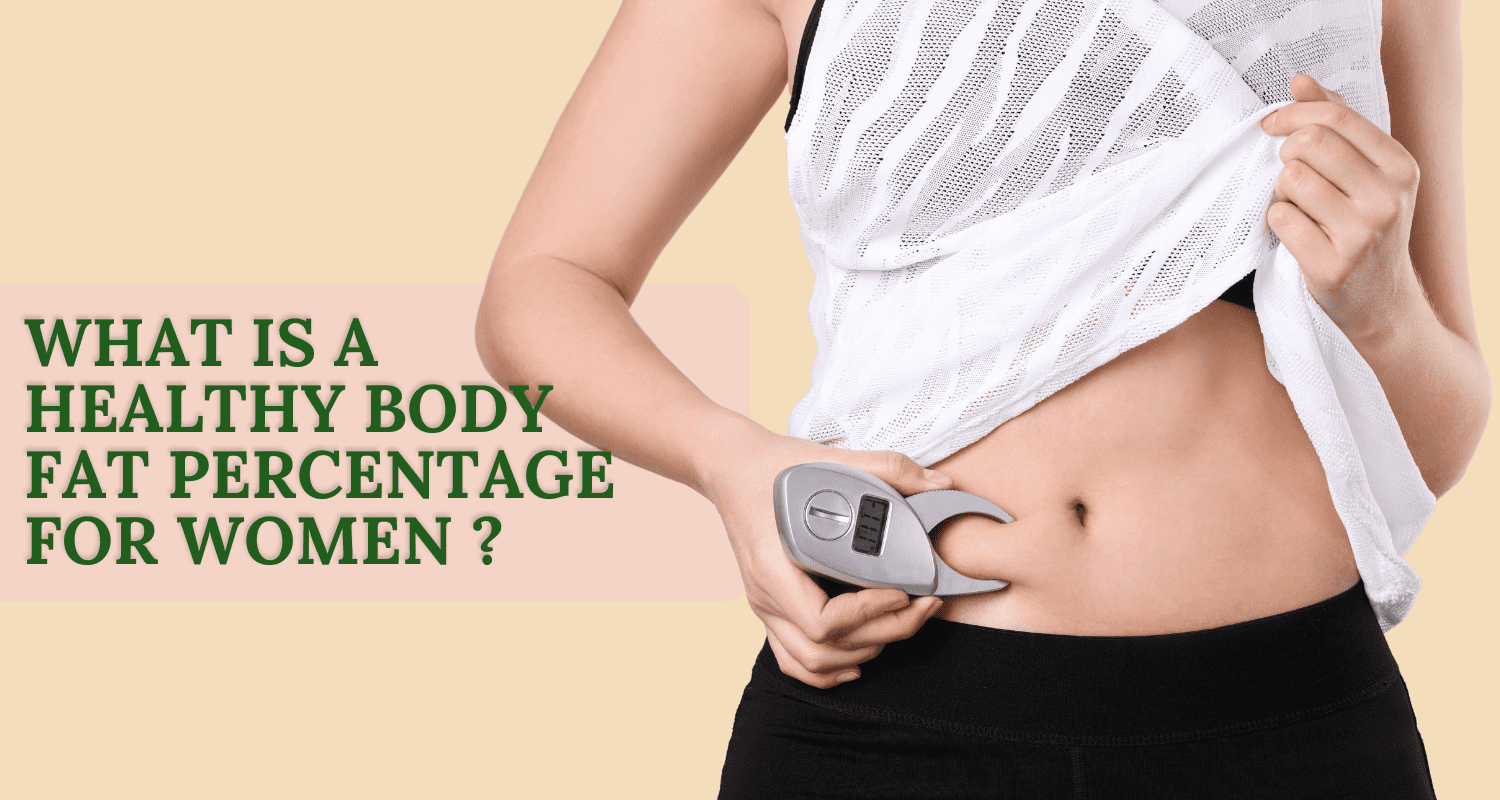
Body fat is a natural and necessary part of the human body. It supports essential functions like hormone production, energy storage, and temperature regulation. However, maintaining a healthy balance of body fat is important for women’s overall health and well-being.
Understanding what is considered a healthy body fat percentage can help women make informed decisions about their fitness goals and lifestyle habits.
In this guide, we’ll explore healthy body fat ranges for women, why they matter, and practical ways to maintain optimal body composition.
Key Takeaways
- A healthy body fat percentage supports hormone balance, fertility, and overall health.
- Women naturally require a higher body fat percentage than men due to biological differences.
- Body fat levels can be measured using methods like skinfold testing, bioelectrical impedance, and DXA scans.
- Lifestyle factors such as diet, exercise, sleep, and stress management significantly influence body fat levels.
- Balanced nutrition and regular physical activity are key strategies for maintaining healthy body composition.
Understanding Body Fat Percentage in Women
Maintaining a healthy body fat percentage is an important aspect of overall wellness. Body fat percentage refers to the proportion of fat tissue compared to total body weight.
There are two main types of body fat:
Essential fat – Necessary for basic physiological functions such as hormone production and reproductive health.
Storage fat – Fat stored in adipose tissue that serves as an energy reserve.
Body fat levels vary depending on factors such as age, genetics, fitness level, and overall health.
Healthy Body Fat Percentage for Women
Women naturally have higher body fat levels than men because fat plays a key role in reproductive and hormonal health.
According to guidelines from the American Council on Exercise, body fat percentage categories for women are generally classified as follows:
Essential Fat: 10–13%
This level is required for basic physiological functions, including hormone production and reproductive health.
Athletic Range: 14–20%
Women athletes often fall within this range, which supports high physical performance and endurance.
Fitness Range: 21–24%
This range is considered healthy for women who exercise regularly and maintain an active lifestyle.
Average Range: 25–31%
Most women fall within this range and can still maintain good health.
Above 32%:
Higher body fat levels may increase the risk of health conditions associated with obesity.
It’s important to remember that these ranges are general guidelines and may vary depending on age, genetics, and overall health.
Why Body Fat Percentage Matters for Women’s Health
Body fat is more than just a measure of appearance—it plays a critical role in several aspects of women’s health.
Hormone Regulation
Fat tissue helps produce hormones such as estrogen. Maintaining a healthy body fat percentage helps regulate hormone levels and supports menstrual health.
Very low body fat levels can disrupt hormonal balance and may lead to irregular menstrual cycles.
Fertility and Reproductive Health
Body fat levels influence reproductive hormones that regulate ovulation.
Both very low and very high body fat percentages can interfere with fertility by disrupting the hormonal signals required for ovulation.
Maintaining a healthy body composition can support reproductive health and improve fertility outcomes.
Risk of Chronic Diseases
Excess body fat has been linked to an increased risk of several chronic health conditions, including:
- Cardiovascular disease
- Type 2 diabetes
- High blood pressure
- Certain cancers
At the same time, extremely low body fat levels may affect immune function and bone density. Finding a healthy balance is essential for long-term wellness.
How Body Fat Percentage Is Measured
Several methods can help estimate body fat percentage. Each has different levels of accuracy and accessibility.
Skinfold Measurements
This method uses specialized calipers to measure the thickness of skinfolds at specific body locations. The measurements are used to estimate overall body fat.
Skinfold testing is relatively inexpensive but requires trained professionals for accurate results.
Bioelectrical Impedance Analysis (BIA)
Bioelectrical impedance devices send a small electrical current through the body to estimate body composition.
These devices are commonly used in home scales and fitness centers because they are quick and non-invasive. However, hydration levels and other factors can affect accuracy.
Dual-Energy X-Ray Absorptiometry (DXA)
DXA scans are considered one of the most accurate methods for measuring body composition.
This technology measures bone density, muscle mass, and body fat distribution using low-dose X-rays. DXA scans are commonly used in medical and research settings.
Lifestyle Factors That Influence Body Fat Percentage
Body fat levels are influenced by several lifestyle factors. Making healthy choices in these areas can support better body composition and overall health.
Nutrition
A balanced diet plays a major role in managing body fat levels.
Healthy eating patterns should include:
- Fruits and vegetables
- Whole grains
- Lean proteins
- Healthy fats such as nuts, seeds, and olive oil
Limiting processed foods, sugary drinks, and excessive calorie intake can help prevent unwanted fat gain.
Physical Activity
Regular exercise is essential for maintaining healthy body composition.
Experts recommend combining cardiovascular exercise with strength training.
Cardio activities like walking, running, swimming, or cycling help burn calories, while strength training builds lean muscle and boosts metabolism.
Health organizations generally recommend:
- At least 150 minutes of moderate aerobic activity per week, or
- 75 minutes of vigorous activity, along with
- Strength training twice per week
Stress Management
Chronic stress can increase levels of the hormone cortisol, which is linked to fat accumulation—especially around the abdomen.
Stress-management practices such as meditation, breathing exercises, and relaxing hobbies can help support healthier body composition.
Sleep Quality
Sleep plays a significant role in metabolism and hormone regulation.
Poor sleep can increase hunger hormones and reduce energy levels, which may lead to weight gain.
Adults should aim for 7–9 hours of quality sleep each night to support overall health and body composition.
Practical Strategies for Maintaining a Healthy Body Fat Percentage
Achieving healthy body fat levels doesn’t require extreme dieting or unrealistic workout routines. Instead, focus on sustainable habits.
Eat Balanced Meals
Prioritize nutrient-dense foods and avoid restrictive diets that may slow metabolism.
Exercise Regularly
Combine cardio workouts with strength training to support fat loss and muscle development.
Practice Mindful Eating
Pay attention to hunger and fullness signals and avoid overeating.
Manage Stress
Use relaxation techniques to maintain hormonal balance and reduce stress-related fat gain.
Prioritize Sleep and Recovery
Rest allows the body to regulate hormones and recover from physical activity.
Conclusion
Maintaining a healthy body fat percentage is an important part of women’s overall health and well-being. Body fat supports vital functions such as hormone production, fertility, and energy storage.
By understanding healthy body fat ranges and adopting sustainable lifestyle habits—including balanced nutrition, regular exercise, stress management, and quality sleep—women can support optimal health and long-term wellness.
Rather than focusing solely on appearance, the goal should be to maintain a healthy body composition that supports physical, hormonal, and metabolic health.