
Key Takeaways
- A balanced diet may help reduce anxiety symptoms. Experts recommend eating plenty of fruits, vegetables, lean proteins, and healthy fats while limiting processed foods and high-sugar snacks.
- Regular exercise can significantly reduce stress. Even five minutes of aerobic activity may trigger anti-anxiety effects, while a 10-minute brisk walk can provide several hours of relief.
- Quality sleep is essential for mental health. Most adults benefit from 6–8 hours of sleep per night, which helps the brain recover and regulate emotional responses.
Understanding Anxiety in the United States
Anxiety disorders are among the most common mental health conditions in the United States. According to the Anxiety and Depression Association of America, approximately 40 million adults—about 18% of the U.S. population—experience some form of anxiety disorder every year.
For some people, mild anxiety can be managed with lifestyle changes and complementary therapies. While traditional treatments such as therapy or medication remain important, certain alternative approaches may help support overall mental wellness.
Before trying any alternative therapy, it’s always best to consult a healthcare professional.
1. Eat a Balanced Diet
Nutrition plays a bigger role in mental health than many people realize. A growing field known as nutritional psychiatry studies how diet affects mood, stress, and brain function.
A 2021 research review published in the journal Nutrients suggests that following healthy dietary patterns may help reduce symptoms of anxiety and depression.
To support mental well-being, experts recommend:
Focus on Nutrient-Dense Foods
Fill your plate with foods rich in vitamins and minerals such as fruits, vegetables, lean meats, whole grains, and healthy fats.
Limit Processed Foods
Highly processed foods often contain added sugars, unhealthy fats, and artificial ingredients that may worsen mood and energy levels.
Avoid Excess Sugar
Large spikes in blood sugar can mimic symptoms of anxiety, including shakiness and rapid heart rate.
Stay Hydrated
A 2018 study found that drinking 6–8 glasses of water daily supports proper body function and may help reduce stress levels.
2. Exercise Regularly
Physical activity is one of the most effective natural ways to reduce anxiety.
According to the Anxiety and Depression Association of America, even five minutes of aerobic exercise can start to reduce anxiety symptoms. Activities like walking, cycling, jogging, or swimming help release endorphins—chemicals in the brain that promote relaxation and improve mood.
Research also shows that regular exercise can:
- Reduce stress hormones
- Improve sleep quality
- Boost immune function
- Increase overall emotional resilience
Even something as simple as a 10-minute brisk walk can provide several hours of anxiety relief.
3. Prioritize Quality Sleep
Sleep and mental health are closely connected. Poor sleep can worsen anxiety, while anxiety itself can make it harder to sleep.
A 2019 study published in Nature Human Behaviour found that sleep helps reset emotional brain circuits, allowing the brain to process stress more effectively.
Experts recommend these sleep habits:
- Maintain consistent sleep and wake times
- Avoid screens 1–2 hours before bed
- Keep your bedroom cool and dark
- Spend time outdoors during the day
- Limit long daytime naps
The National Institute of Mental Health notes that consistent sleep patterns can significantly improve emotional regulation.
4. Practice Relaxation Techniques
Relaxation practices can help calm the nervous system and reduce anxiety levels. Techniques like meditation, breathing exercises, and yoga are widely used for stress management.
Meditation
Meditation helps train the mind to stay present and manage stressful thoughts more effectively.
According to the National Center for Complementary and Integrative Health, meditation has been shown to reduce anxiety, improve sleep quality, and even influence brain areas related to stress regulation.
Breathing Exercises
Deep breathing exercises can help control hyperventilation during anxiety episodes.
Slow breathing signals the nervous system to relax, which can lower heart rate and reduce feelings of panic.
A common technique includes:
- Inhale slowly through the nose for 4 seconds
- Hold the breath for 4 seconds
- Exhale slowly through the mouth for 6 seconds
Practicing this technique regularly can improve stress resilience.
Yoga
Yoga combines physical movement, breathing techniques, and mindfulness practices.
A 2018 study found that 12 sessions of Hatha yoga significantly reduced anxiety symptoms among participants.
Yoga may also help improve:
- Stress management
- Sleep quality
- Emotional balance
- Overall physical health
Because yoga engages both the body and mind, many mental health professionals recommend it as a complementary therapy.
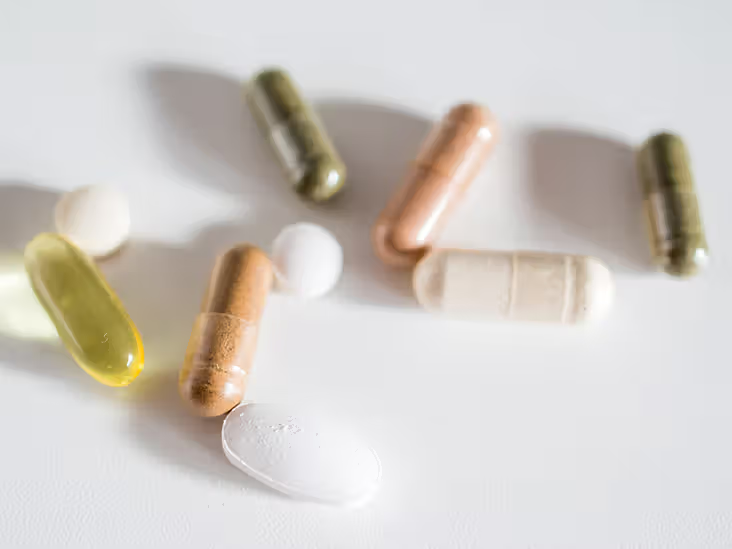
5. Supplements and Herbal Remedies
Some natural supplements may help reduce mild anxiety symptoms, although research is still ongoing.
Common options include:
Vitamin B12
Supports the nervous system and may help regulate mood.
Chamomile
Often consumed as herbal tea, chamomile has calming properties. A 2016 clinical trial found that long-term chamomile use reduced moderate to severe anxiety symptoms.
L-Theanine
An amino acid found in green tea that may promote relaxation without causing drowsiness.
Omega-3 Fatty Acids
A 2018 review of 19 studies found omega-3 fatty acids significantly reduced anxiety symptoms.
Important: Supplements are regulated as food products, not medications, by the U.S. Food and Drug Administration. Always consult a healthcare professional before starting any supplement.
6. Aromatherapy and Essential Oils
Some essential oils may help promote relaxation when diffused or used in aromatherapy.
Lavender oil, in particular, has shown promising results in small studies related to anxiety relief.
According to research published in Frontiers in Behavioral Neuroscience, lavender may help reduce anxiety symptoms by influencing neurotransmitters involved in stress responses.
7. Limit Caffeine Intake
While coffee can boost energy, too much caffeine may worsen anxiety.
A 2017 research review found that consuming 200 mg of caffeine (about two cups of coffee) can trigger anxiety symptoms in sensitive individuals.
Caffeine may cause:
- Rapid heartbeat
- Restlessness
- Nervousness
- Sleep problems
Reducing caffeine intake can help stabilize mood and improve sleep.
8. Avoid Alcohol and Nicotine
Some people turn to alcohol or nicotine to cope with stress, but these substances can actually make anxiety worse.
A 2019 study involving teenagers found that individuals who used alcohol and nicotine experienced higher rates of mental health problems compared with those who did not.
While these substances may offer short-term relief, they often worsen anxiety symptoms over time.
The Bottom Line
Alternative therapies can help support mental health and reduce mild anxiety symptoms. Lifestyle habits such as eating well, exercising regularly, getting enough sleep, and practicing relaxation techniques may significantly improve emotional well-being.
However, these approaches often work best when combined with professional treatment, such as therapy or medication when needed.
If anxiety symptoms become severe or interfere with daily life, it’s important to speak with a qualified healthcare professional.
With the right support and healthy lifestyle choices, managing anxiety becomes much more achievable.
Leave a Reply