
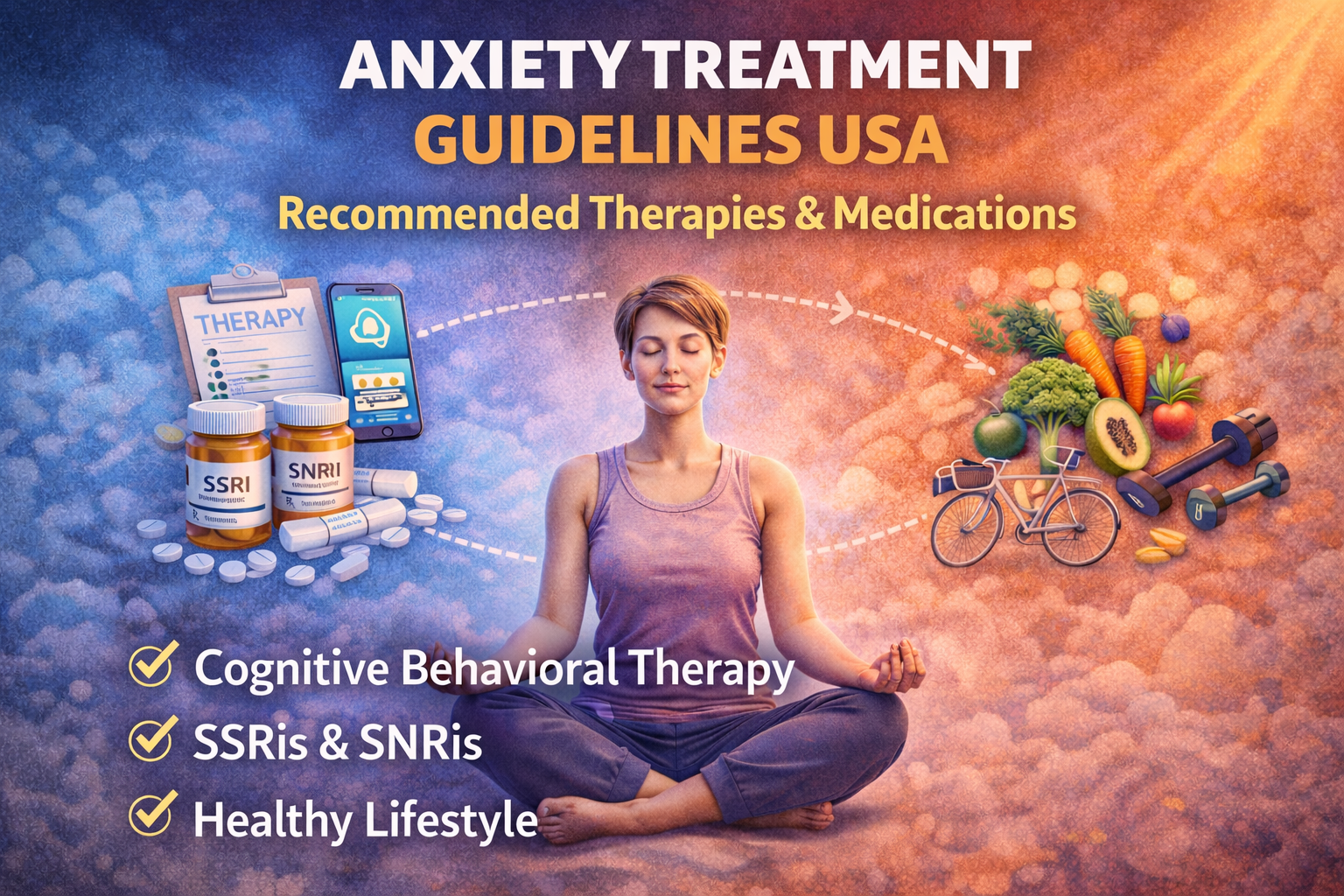
Anxiety disorders are among the most common mental health conditions in the United States. Millions of Americans experience persistent worry, panic attacks, and stress-related symptoms that interfere with daily life. To address these issues effectively, healthcare professionals follow Anxiety Treatment Guidelines in the USA, which are based on evidence-based practices developed by psychiatric and medical organizations.
These guidelines help doctors choose safe, effective, and long-term treatment strategies for managing anxiety disorders. Treatment plans typically combine therapy, medications, and lifestyle interventions to improve patient outcomes.
In this guide, we explore the current U.S. anxiety treatment guidelines, recommended therapies, medication options, and modern approaches used by healthcare professionals.
Understanding Anxiety Disorders
Before discussing treatment guidelines, it is important to understand what anxiety disorders are.
Anxiety disorders involve excessive fear, worry, or nervousness that lasts for extended periods and affects everyday functioning.
Common anxiety disorders include:
- Generalized Anxiety Disorder (GAD)
- Panic Disorder
- Social Anxiety Disorder
- Specific Phobias
- Post-Traumatic Stress Disorder (PTSD)
Typical symptoms may include:
- Persistent worrying
- Rapid heartbeat
- Difficulty concentrating
- Restlessness
- Fatigue
- Panic attacks
- Sleep disturbances
Because anxiety affects both mental and physical health, comprehensive treatment strategies are recommended.
Major Anxiety Treatment Guidelines in the United States
Mental health professionals in the U.S. follow guidelines developed by organizations such as:
- American Psychiatric Association (APA)
- National Institute of Mental Health (NIMH)
- U.S. Department of Health and Human Services
These guidelines emphasize evidence-based treatments and personalized care plans.
The key components include:
- Psychotherapy (first-line treatment)
- Medication when necessary
- Lifestyle and behavioral interventions
- Monitoring and long-term management
1. Psychotherapy as First-Line Treatment
According to most U.S. anxiety treatment guidelines, psychotherapy is often recommended as the first treatment option.
Cognitive Behavioral Therapy (CBT)
Cognitive Behavioral Therapy (CBT) is considered one of the most effective treatments for anxiety disorders.
CBT helps patients:
- Identify negative thought patterns
- Develop coping strategies
- Reduce avoidance behaviors
- Improve emotional regulation
Research shows CBT can produce long-lasting improvements in anxiety symptoms.
2. Medication Treatment Options
Medication may be recommended when anxiety symptoms are severe or persistent.
Selective Serotonin Reuptake Inhibitors (SSRIs)
SSRIs are commonly prescribed for anxiety disorders.
Examples include:
- Sertraline
- Escitalopram
- Fluoxetine
- Paroxetine
These medications increase serotonin levels in the brain, helping regulate mood and anxiety.
Serotonin-Norepinephrine Reuptake Inhibitors (SNRIs)
SNRIs are another class of medications used in anxiety treatment.
Common options include:
- Venlafaxine
- Duloxetine
They help balance neurotransmitters associated with mood and stress responses.
Benzodiazepines (Short-Term Use)
Benzodiazepines may be prescribed for short-term relief of severe anxiety symptoms.
Examples include:
- Alprazolam
- Lorazepam
- Diazepam
However, guidelines recommend limited use due to dependence risks.
3. Lifestyle and Behavioral Interventions
Modern anxiety treatment guidelines in the USA emphasize the importance of lifestyle improvements alongside medical treatment.
Physical Activity
Regular exercise can significantly reduce anxiety symptoms by releasing endorphins and improving mood.
Healthy Sleep Patterns
Consistent sleep schedules help regulate stress hormones and emotional stability.
Nutrition and Diet
Balanced nutrition supports brain function and overall mental health.
Stress-Management Techniques
Practices such as meditation, breathing exercises, and yoga can help reduce anxiety levels.
4. Digital and Online Mental Health Tools
Technology is increasingly used to support anxiety treatment.
Examples include:
- Mental health mobile apps
- Online therapy platforms
- Guided meditation programs
- Virtual counseling services
These tools improve accessibility to mental health care, especially for people in remote areas.
5. Personalized Treatment Plans
U.S. guidelines emphasize individualized care because anxiety affects each person differently.
Factors doctors consider when designing treatment plans include:
- Severity of symptoms
- Medical history
- Age and lifestyle
- Co-existing mental health conditions
Personalized care improves treatment effectiveness and long-term outcomes.
When to Seek Professional Help
While occasional anxiety is normal, professional help may be necessary if symptoms become persistent.
You should consider seeking help if:
- Anxiety interferes with work or relationships
- Panic attacks occur frequently
- Sleep problems continue for long periods
- Symptoms worsen despite self-care efforts
Early intervention can significantly improve recovery outcomes.
Emerging Trends in Anxiety Treatment
Mental health care continues to evolve as new research improves treatment strategies.
Some emerging approaches include:
- Digital cognitive behavioral therapy
- Personalized psychiatric medicine
- Integrated mental health programs
- Brain-stimulation therapies
These innovations aim to make anxiety treatment more effective and accessible.
Conclusion
Anxiety Treatment Guidelines in the USA emphasize evidence-based approaches that prioritize safety, long-term recovery, and individualized care. Effective treatment typically combines psychotherapy, appropriate medications, lifestyle changes, and ongoing medical support.
With proper treatment and support, many individuals successfully manage anxiety disorders and maintain a healthy, balanced life.
Understanding these guidelines helps patients and healthcare providers make informed decisions about safe and effective anxiety treatment options.
Leave a Reply