
Author: The Aging Nest
-
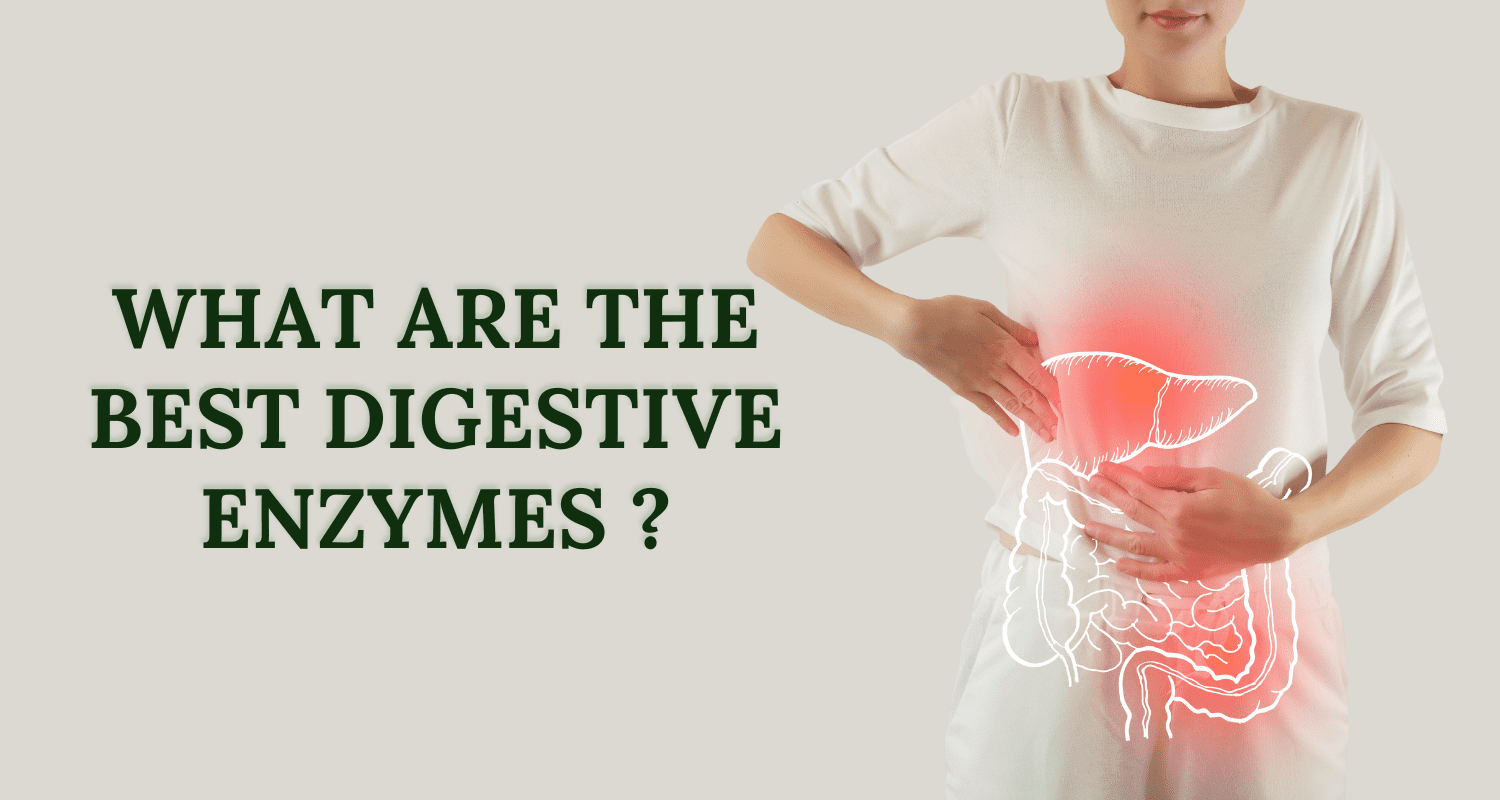
What Are the Best Digestive Enzymes? A Complete Guide to Better Digestion
Digestive enzymes are essential proteins that help break down food so your body can absorb nutrients properly. Without enough of these enzymes, digestion can become uncomfortable — leading to bloating, gas, diarrhea, and stomach pain. For people experiencing digestive issues, enzyme supplements may help support better digestion and improve gut health. In this guide, we’ll…
-

How to Lose Weight with PCOS: A Practical & Sustainable Guide
Polycystic Ovary Syndrome (PCOS) is a hormonal condition that can make weight loss more challenging. Insulin resistance, hormonal imbalances, and increased cravings often create obstacles that feel frustrating and discouraging. But there’s good news. With the right strategies — focused on nutrition, exercise, sleep, and stress management — it is absolutely possible to lose weight…
-
How to Lose Weight in Your Face Naturally (Complete Guide)
Excess facial fat doesn’t just affect your appearance — it can also impact your confidence. If you’re looking to slim your face, define your jawline, or reduce cheek fullness, you’re not alone. While spot-reducing fat from one specific area is not scientifically guaranteed, adopting healthy lifestyle habits can reduce overall body fat — including facial…
-
What Are the Different Types of Collagen? (Complete Guide)
Collagen is the most abundant protein in the human body, with 28 different types identified so far. Each type has a unique structure known as a triple-helical domain, which gives collagen its strength and flexibility. But collagen does more than just provide support. It helps organize tissues, interacts with cells, and forms large structural networks…
-
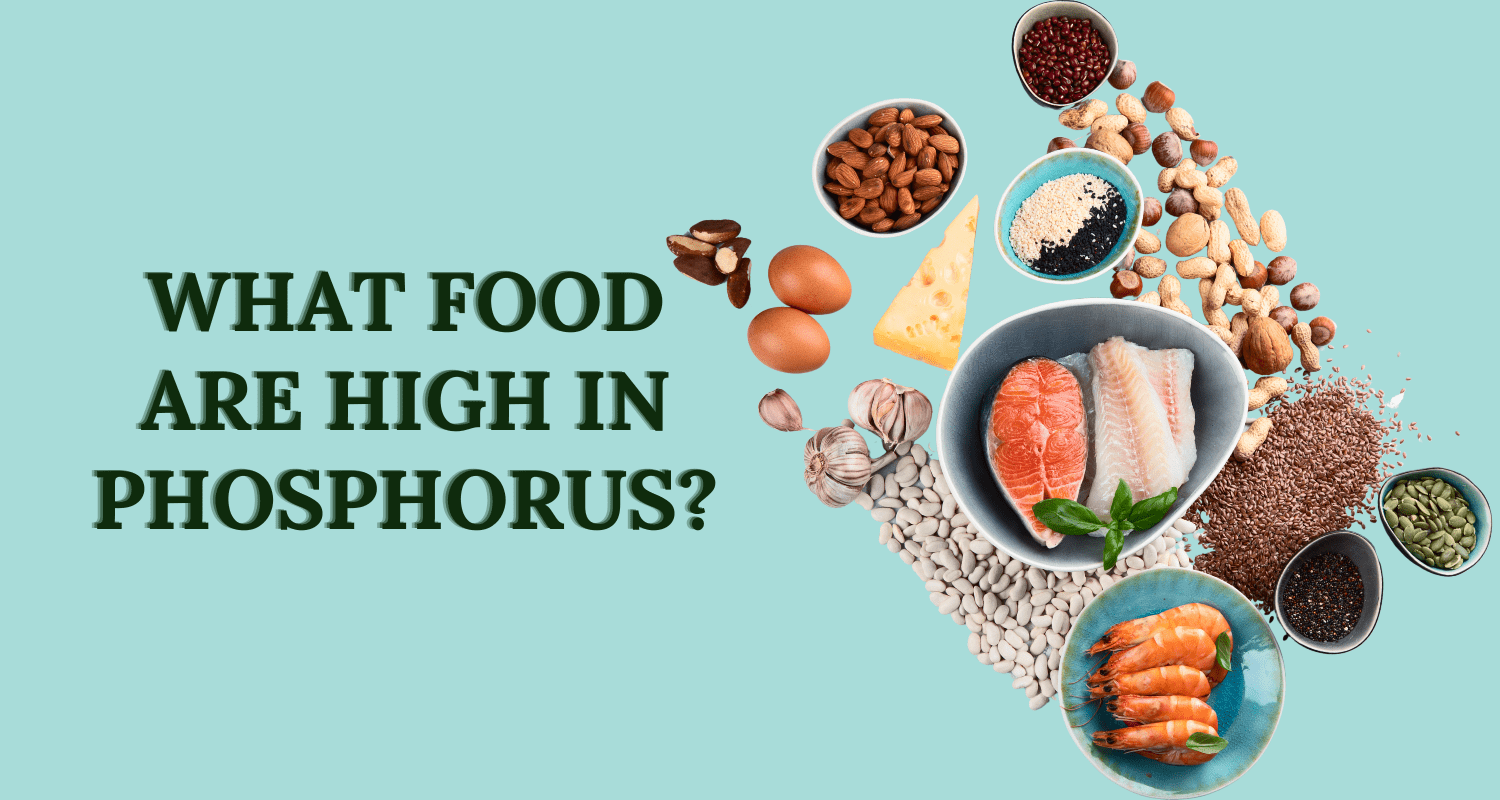
What Foods Are High in Phosphorus? (And Why It Matters for Your Health)
Phosphorus doesn’t get as much attention as calcium or vitamin D — but it absolutely should. This essential mineral plays a major role in: In fact, according to the National Institutes of Health (NIH), phosphorus is the second most abundant mineral in the body (after calcium). So naturally, the question becomes: What foods are high…
-
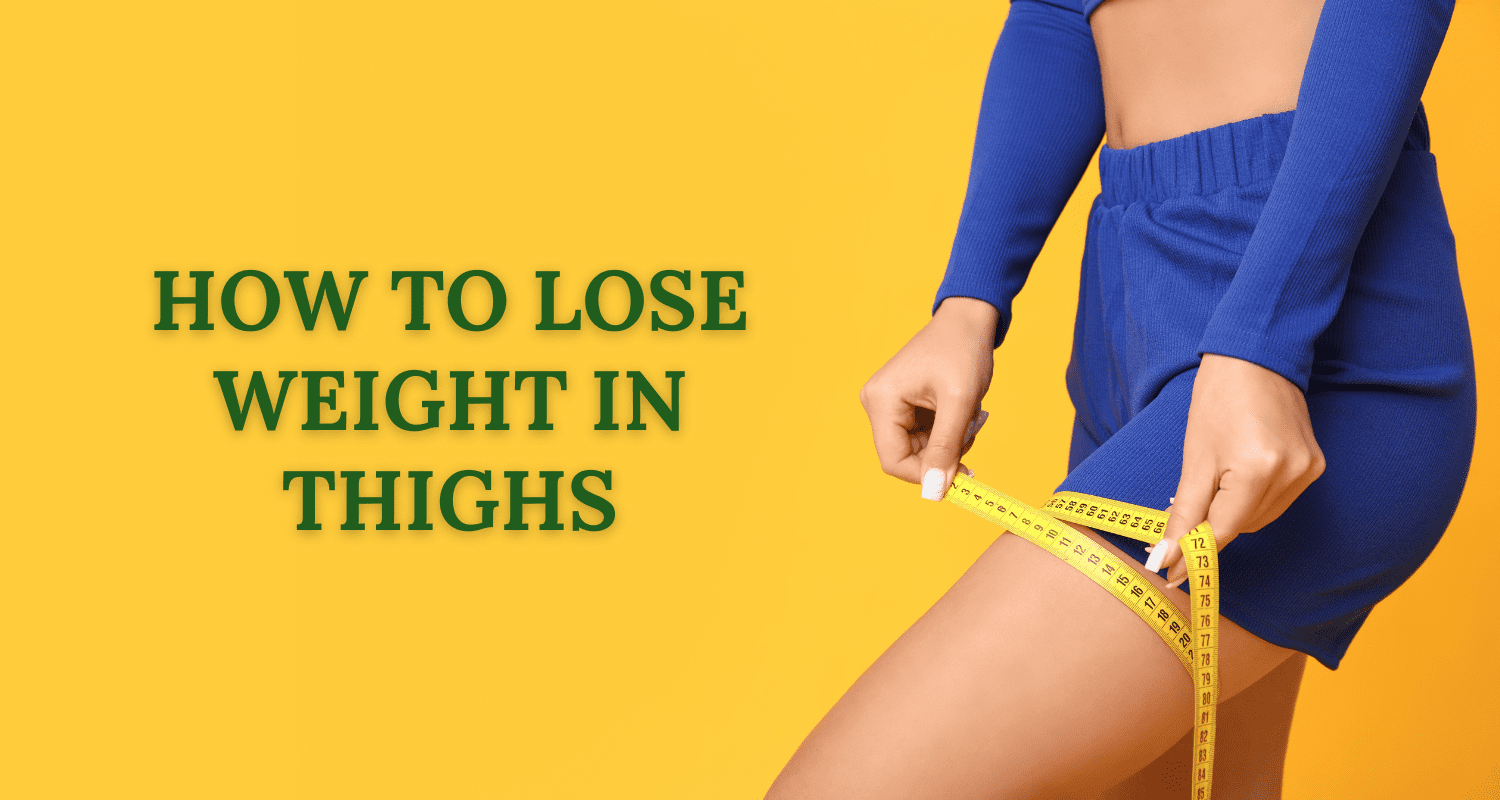
How to Lose Weight in Thighs: Natural Methods, Exercises & Proven Tips
Did you know your thighs contain some of the largest muscles in your body? These include the quadriceps, hamstrings, adductors, and the long sartorius muscle. Because these muscles are large, the thigh area can also store more fat. Many people struggle with thigh fat and cellulite, a common concern for both men and women. While…
-
Is Colostrum Good for You? What the Science Really Says
Colostrum is often called “liquid gold.” It’s the thick, yellowish first milk produced by mammals in the first few days after birth. For newborns, it’s incredibly powerful — packed with antibodies, immune factors, and growth compounds that help protect and nourish them during their first days of life. But in recent years, colostrum — especially…
-
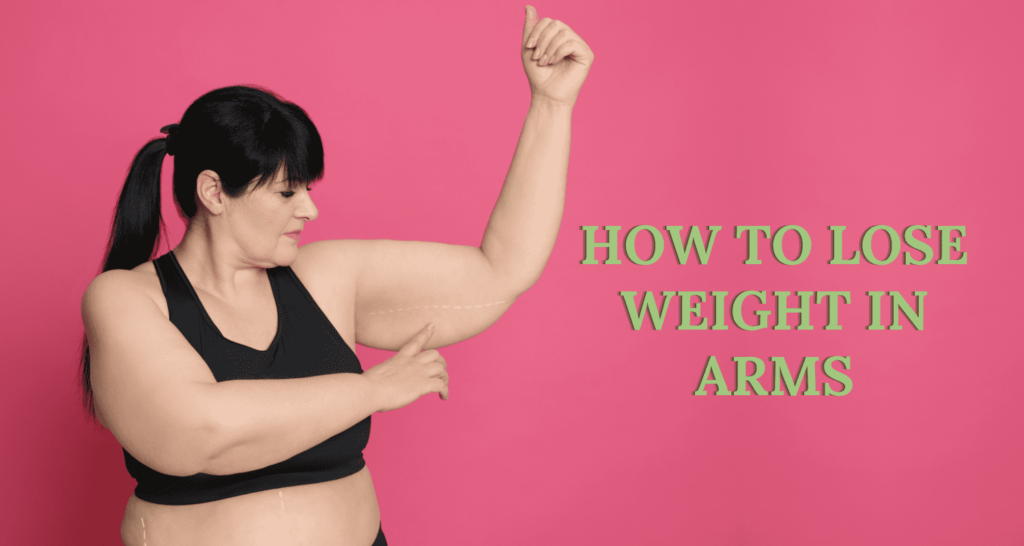
How to Lose Arm Fat (Backed by Science, Not Myths)
If you’ve been doing endless tricep dips and bicep curls hoping to “target” arm fat — you’re not alone. A lot of people believe you can shrink fat in one specific area. But here’s the truth: 👉 Spot reduction doesn’t work. Research has consistently shown that you can’t choose where your body loses fat first.…
-
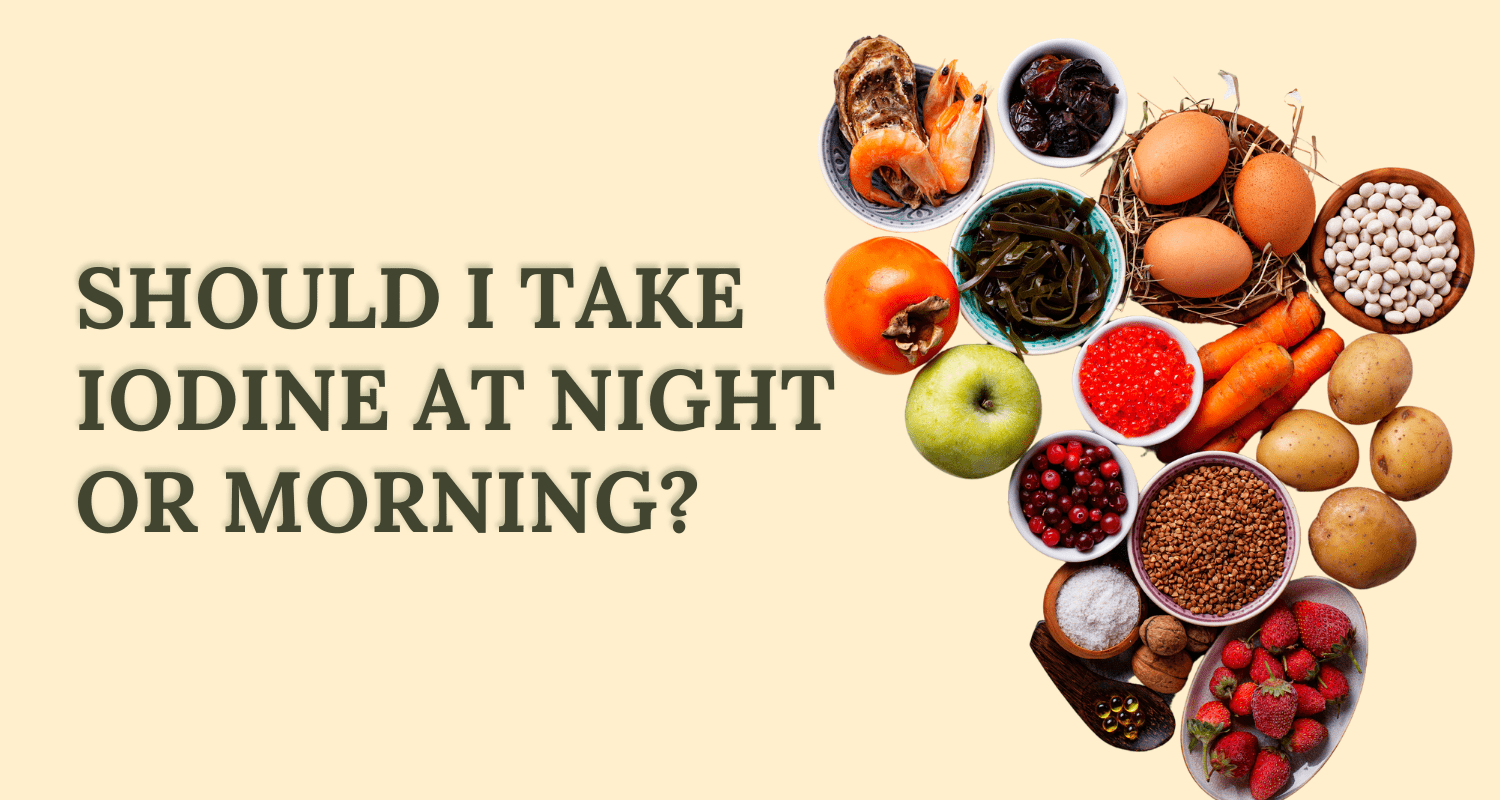
When Should I Take Iodine — Morning or Night?
If you’ve ever held an iodine supplement and wondered, “Does it actually matter when I take this?” — you’re not alone. Iodine is essential for thyroid health, metabolism, energy, and brain function. But when it comes to timing — morning or night — the answer isn’t as dramatic as supplement marketing might suggest. Let’s break…
-
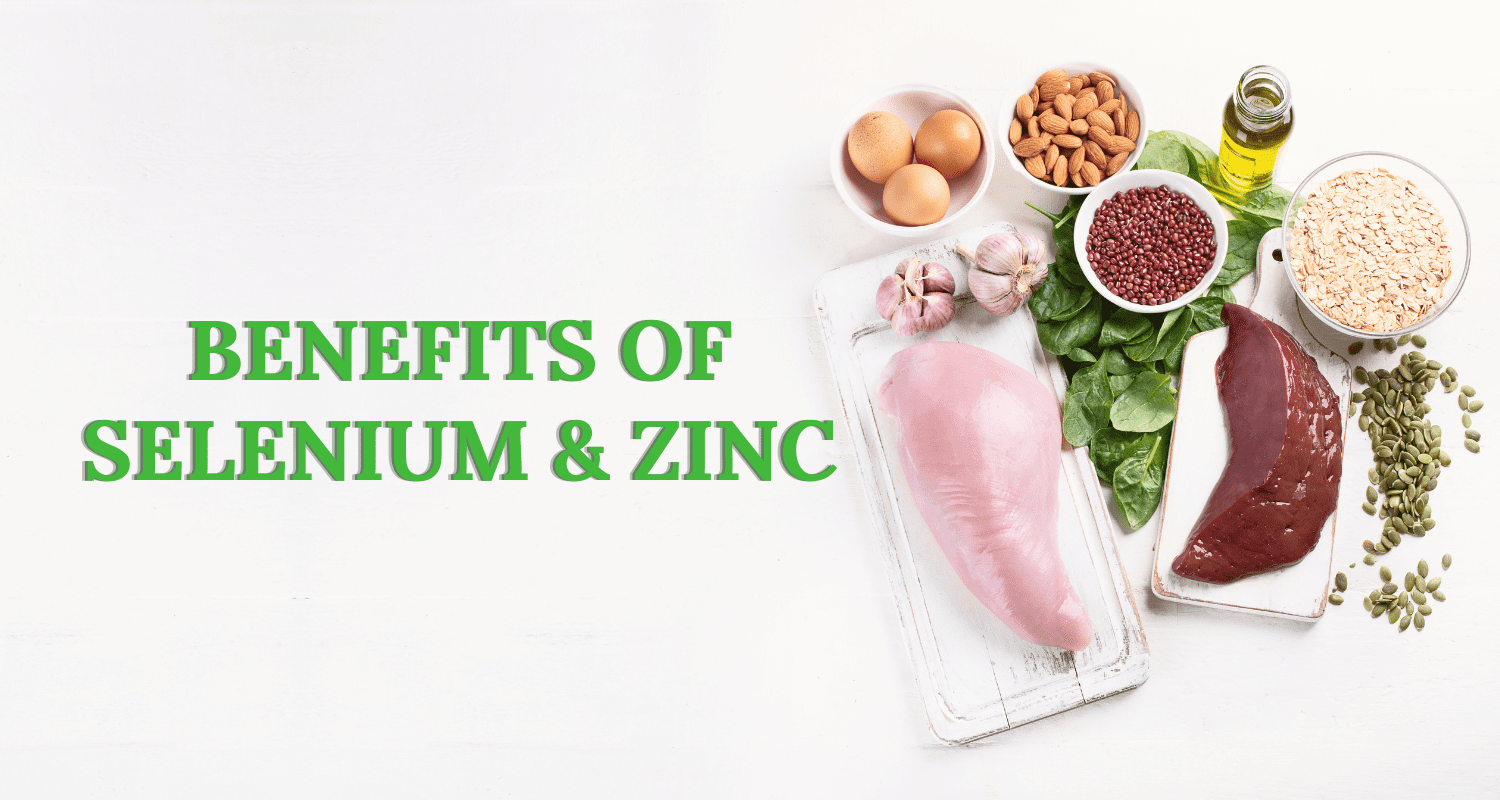
Benefits of Selenium and Zinc: Why These Essential Minerals Matter
Did you know that increasing selenium levels in the blood by 50% has been linked to a 24% lower risk of heart disease? This highlights how important selenium and zinc are for maintaining overall health. Both selenium and zinc are essential trace minerals. Even though our bodies need them in small amounts, their impact is…