
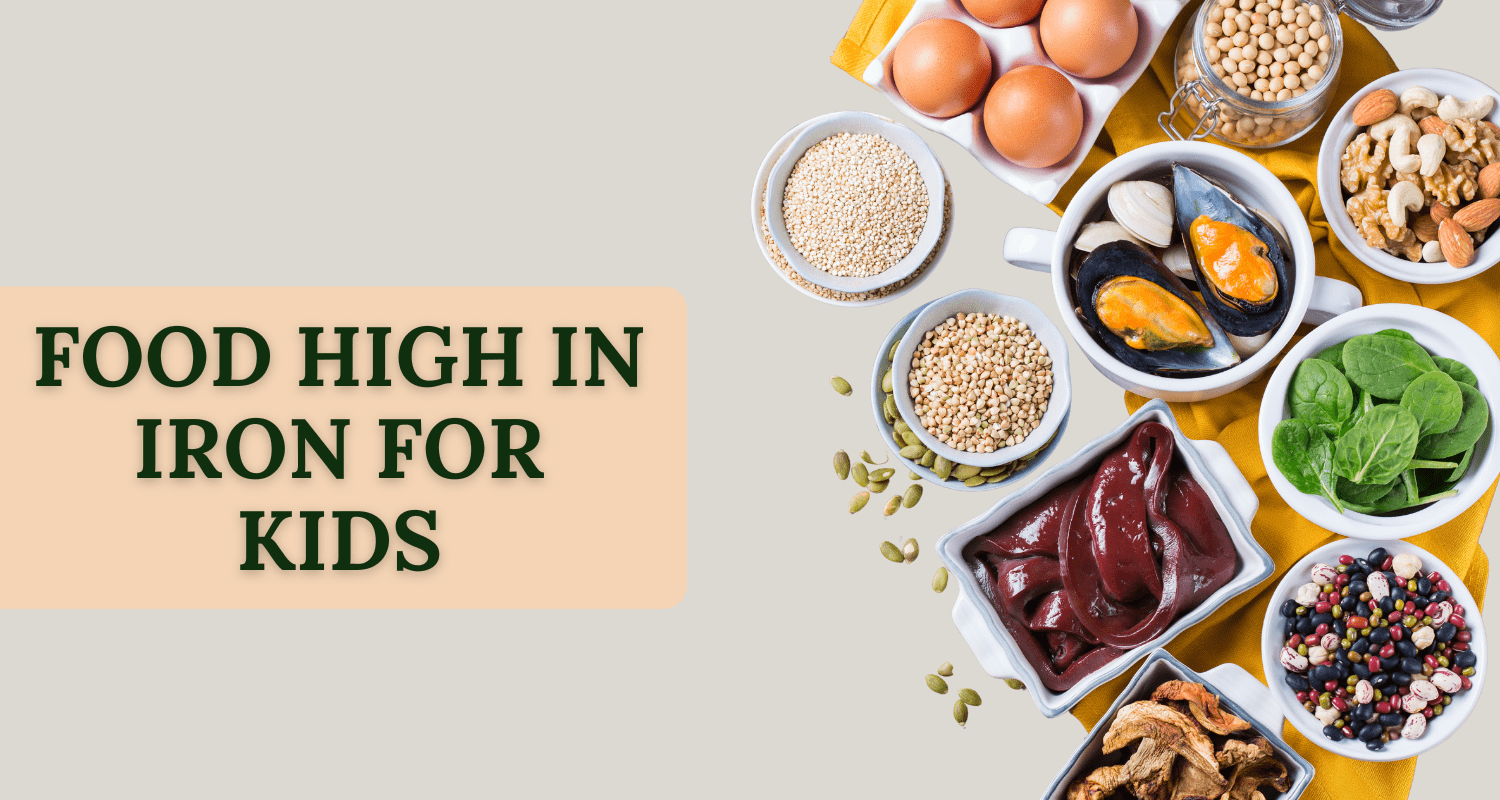
Children need enough iron to grow, stay energized, and develop properly. Iron plays a major role in brain development and oxygen transport throughout the body. Because iron deficiency is common—especially in picky eaters—kids should eat at least two iron-rich foods each day.
Let’s explore why iron is important and which foods can help meet your child’s needs.
Iron Deficiency in Children: Causes and Risks
Iron deficiency is one of the most common nutritional problems in children. If not addressed, it can lead to iron-deficiency anemia, which may affect growth, learning, and behavior.
Common Causes:
- Picky eating habits
- Not enough iron-rich foods in the diet
- Low vitamin C intake (which helps iron absorption)
- Drinking too much milk (milk is low in iron and can reduce iron absorption)
When children fill up on milk or processed foods, they may not eat enough iron-rich meals. Over time, this can affect their energy levels, attention span, and overall development.
Why Iron Is So Important for Kids
Iron helps produce hemoglobin, the protein that carries oxygen in the blood. Without enough iron, the body cannot deliver oxygen efficiently to tissues and organs.
Iron supports:
- Healthy growth
- Brain development
- Strong immune function
- Energy levels
- Learning and concentration
Iron needs increase during growth spurts and, for girls, after menstruation begins. Making iron-rich foods a daily habit helps support long-term health.
Top Iron-Rich Foods Kids Will Enjoy
Here are nutritious and kid-friendly iron sources:
Lean Meats
Beef, turkey, and chicken provide heme iron, which is easier for the body to absorb. Try:
- Turkey burgers
- Chicken stir-fry
- Beef tacos
Fish
Salmon and tuna offer iron plus healthy omega-3 fats that support brain health.
- Salmon patties
- Baked fish sticks
🫘 Beans and Legumes
Kidney beans, lentils, chickpeas, and tofu are excellent plant-based iron sources.
- Bean chili
- Hummus with whole-grain crackers
- Lentil soup
Fortified Cereals
Many breakfast cereals are fortified with iron. Pair with fruit for better absorption.
Dark Leafy Greens
Spinach and kale are rich in iron.
- Add to smoothies
- Mix into pasta sauce
- Stir into scrambled eggs
Nuts and Seeds
Pumpkin seeds, almonds, and cashews provide iron and healthy fats.
- Add to yogurt
- Sprinkle over oatmeal
Fortified Whole Grains
Whole-grain bread, rice, and pasta may contain added iron.
Dried Fruits
Raisins, apricots, prunes, and figs make easy iron-rich snacks.
Tips to Improve Iron Absorption
Getting enough iron is important—but helping the body absorb it is just as crucial.
✔ Pair with Vitamin C
Vitamin C boosts iron absorption. Combine iron-rich foods with:
- Oranges
- Strawberries
- Kiwi
- Bell peppers
- Broccoli
Example: Serve iron-fortified cereal with strawberries or spinach salad with orange slices.
✔ Combine Plant and Animal Sources
Eating meat with plant-based iron foods helps improve absorption.
✔ Cook Vegetables
Light cooking can make iron from plant foods easier to absorb.
✔ Limit Dairy at Iron-Rich Meals
Calcium can reduce iron absorption, so avoid large amounts of milk during iron-rich meals.
Iron Supplements for Kids
Some children may need iron supplements, especially if diagnosed with iron deficiency or anemia.
Common options include:
- Liquid iron drops (often used for infants and toddlers)
- Chewable iron tablets (for older children)
Always consult a healthcare professional before starting supplements. Too much iron can be harmful, so proper dosage and monitoring are important.
Final Thoughts
Ensuring kids get enough iron supports their growth, learning, and overall well-being. Iron deficiency can affect energy levels, focus, and development—but it is preventable with the right diet.
By regularly including iron-rich foods like beans, lean meats, leafy greens, fortified grains, and dried fruits, parents can help meet their child’s needs. Pairing these foods with vitamin C and balancing dairy intake can further improve absorption.
Small, consistent changes in daily meals can make a big difference in supporting healthy growth and development.
Leave a Reply