
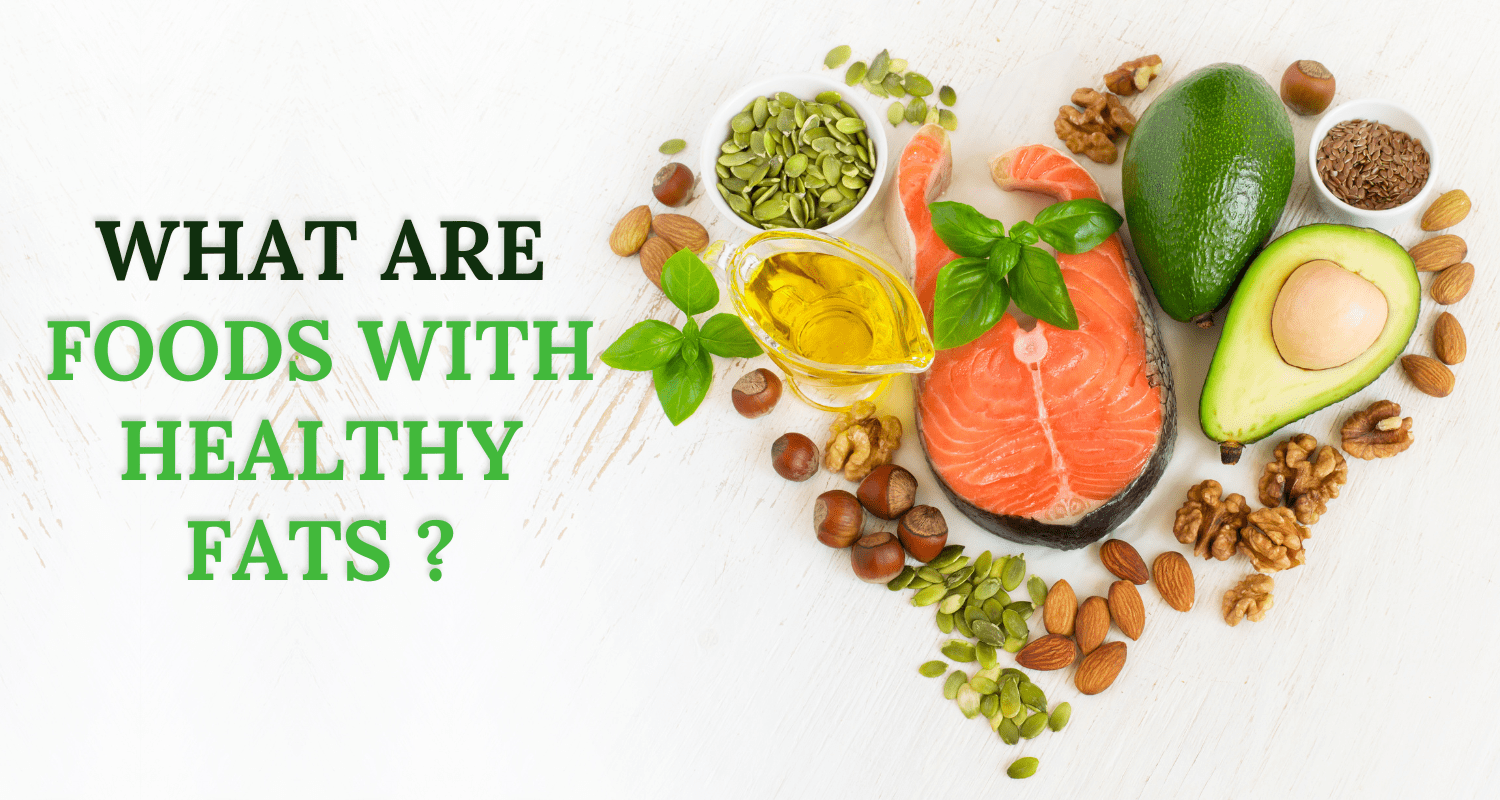
Not all fats are bad for your health.
In fact, nearly 17% of Americans don’t consume enough omega-3 fatty acids, which are essential healthy fats found in fish, seeds, and certain plant oils. This highlights how important it is to understand what are foods with healthy fats — and why they matter.
Healthy fats are not something to fear. They are something to choose wisely.
When we talk about healthy eating, it’s not just about avoiding “bad” foods. It’s about making nutritious choices that support your heart, brain, hormones, and overall well-being.
Let’s explore what foods contain healthy fats and why they deserve a place in your daily diet.
Key Takeaways
- Healthy fats are essential for heart, brain, and overall health.
- Many people do not consume enough omega-3 fatty acids.
- The quality of fat matters more than the quantity.
- Monounsaturated and polyunsaturated fats are beneficial.
- Including healthy fats daily supports long-term disease prevention.
Understanding Healthy Fats and Their Importance
The Basics of Dietary Fats
Dietary fats fall into three main categories:
- Saturated fats
- Unsaturated fats (healthy fats)
- Trans fats
Each type affects your body differently. Choosing the right kinds of fats is key to maintaining a balanced diet.
Health Benefits of Healthy Fats
Healthy fats — especially omega-3 and omega-6 fatty acids — provide several benefits:
- Support heart health
- Improve brain function
- Reduce inflammation
- Aid hormone production
- Help absorb fat-soluble vitamins (A, D, E, K)
They are essential, not optional, nutrients.
Good Fats vs. Bad Fats
Saturated vs. Unsaturated Fats
Saturated fats
- Found mainly in animal products and some tropical oils
- Solid at room temperature
- Excess intake may raise LDL (bad) cholesterol
Unsaturated fats (Healthy Fats)
- Liquid at room temperature
- Found in plant oils, nuts, seeds, and fish
- Help lower bad cholesterol and support heart health
Unsaturated fats include:
- Monounsaturated fats (MUFA)
- Polyunsaturated fats (PUFA)
Why Avoid Trans Fats
Trans fats are artificially created through hydrogenation. They:
- Raise bad cholesterol
- Lower good cholesterol
- Increase risk of heart disease and stroke
Always check labels for “partially hydrogenated oils” and avoid them.
Top Foods With Healthy Fats
Here’s a practical list of the best foods rich in healthy fats:
: Avocados
Rich in monounsaturated fats and fiber. Excellent for heart health.
; Fatty Fish (Salmon, Mackerel, Sardines)
High in omega-3 fatty acids that support brain and heart health.
: Extra Virgin Olive Oil
A staple of the Mediterranean diet, rich in heart-healthy monounsaturated fats.
: Nuts (Almonds, Walnuts, Cashews)
Provide healthy fats, protein, and antioxidants.
: Seeds (Chia, Flax, Hemp)
Excellent plant-based sources of omega-3 fatty acids.
: Coconut
Contains medium-chain triglycerides (MCTs), which are quickly used for energy.
: Dark Chocolate (70%+ cocoa)
Contains stearic acid and antioxidants — enjoy in moderation.
: Grass-Fed Butter
Provides small amounts of omega-3s and butyrate.
Adding variety ensures you get a full spectrum of beneficial fats.
Monounsaturated vs. Polyunsaturated Fats
Monounsaturated Fats (MUFA)
Benefits:
- Reduce LDL cholesterol
- Lower heart disease risk
- Improve insulin sensitivity
Sources:
- Olive oil
- Avocados
- Almonds
- Cashews
Polyunsaturated Fats (PUFA)
These include omega-3 and omega-6 fatty acids.
Benefits:
- Essential for brain development
- Support cell growth
- Reduce inflammation
Sources:
- Salmon
- Walnuts
- Flaxseeds
- Chia seeds
- Plant oils
Both types are important for overall wellness.
How to Incorporate Healthy Fats Into Your Meals
Adding healthy fats doesn’t mean overeating them. Balance is key.
Breakfast
- Avocado toast with eggs
- Greek yogurt with chia seeds
- Oatmeal topped with walnuts
Lunch
- Salad with olive oil dressing
- Quinoa bowl with salmon
- Hummus with whole-grain wraps
Dinner
- Grilled fish with roasted vegetables
- Stir-fry cooked in avocado oil
- Lentil curry with coconut milk
Smart Snacks
- A handful of almonds
- Apple slices with nut butter
- Dark chocolate (small portion)
Monitoring Healthy Fat Intake
To maintain balance:
- Track portions (fats are calorie-dense)
- Choose whole-food fat sources
- Limit processed foods
- Avoid hidden trans fats
- Focus on quality over quantity
Moderation ensures you gain benefits without excess calories.
How Cooking Affects Healthy Fats
Cooking methods matter.
Some fats break down at high heat, losing nutritional value.
Best Practices:
- Use olive oil for low to medium heat cooking.
- Use avocado oil for high heat cooking.
- Use coconut oil for baking or moderate heat.
- Avoid overheating oils beyond their smoke point.
Steaming, baking, and light sautéing help preserve nutrients.
Why Healthy Fats Matter in a Balanced Diet
Healthy fats are essential for:
- Brain health
- Hormonal balance
- Reduced inflammation
- Heart protection
- Long-term disease prevention
They are not the enemy — poor-quality fats are.
Final Thoughts
Understanding what are foods with healthy fats empowers you to make smarter dietary choices.
From avocados and olive oil to fatty fish and seeds, there are countless delicious ways to include beneficial fats in your diet.
Healthy eating isn’t about eliminating fats — it’s about choosing the right ones.
Every meal is an opportunity to nourish your body and support long-term wellness. Start by adding one healthy fat source to your meals today — and build from there.
Leave a Reply