


Estrogen is often called the hormone of vitality — and for good reason.
It plays a central role in:
- Reproductive health
- Bone strength
- Heart function
- Brain health and mood regulation
But like most things in the body, balance matters.
While low estrogen gets a lot of attention (think hot flashes and menopause), high estrogen — or estrogen dominance — can also disrupt your health.
So what actually happens when estrogen levels are too high? And can you regulate them naturally?
Let’s walk through the science in a clear, practical way.
What Does “High Estrogen” Really Mean?
Estrogen levels naturally fluctuate throughout a woman’s life.
Normal Ranges (Approximate)
- Premenopausal women: ~30–400 pg/mL (varies by menstrual phase)
- Postmenopausal women: Usually below 30 pg/mL
Estrogen also rises and falls during the menstrual cycle:
- Higher in the follicular phase
- Drops after ovulation
- Balanced by progesterone in the luteal phase
The body produces three main forms:
| Type | When It Dominates | Role |
|---|---|---|
| Estradiol (E2) | Reproductive years | Most potent form |
| Estrone (E1) | Postmenopause | Primary estrogen after menopause |
| Estriol (E3) | Pregnancy | Supports fetal development |
According to the National Institutes of Health, hormonal fluctuations are normal — but persistent imbalance may cause symptoms.
What Causes High Estrogen?
High estrogen can occur when:
- Your body produces excess estrogen
- Progesterone is low (creating “estrogen dominance”)
- Estrogen isn’t properly metabolized or cleared
- You’re taking estrogen-containing medications
Let’s look at common contributors.
1. Estrogen Dominance
Estrogen dominance doesn’t always mean estrogen is extremely high — it often means estrogen is high relative to progesterone.
Low progesterone + normal estrogen = imbalance.
This hormonal mismatch may contribute to:
- Heavy or painful periods
- PMS
- Fibroids
- Endometriosis
2. Medications
Certain medications may elevate estrogen levels:
- Hormone replacement therapy (HRT)
- Oral contraceptives
- Some fertility treatments
The U.S. Food and Drug Administration regulates these therapies, but dosage and monitoring are important.
3. Body Fat & Aromatization
Fat tissue contains an enzyme called aromatase, which converts androgens into estrogen.
Higher body fat → higher estrogen production.
This process is well documented in endocrinology research.
4. Liver Function
Your liver helps break down and eliminate estrogen.
If liver function is impaired, estrogen may accumulate.
According to the American Liver Foundation, liver health plays a critical role in hormone metabolism.
5. Chronic Stress
Long-term stress increases cortisol production.
Because progesterone is used in cortisol synthesis, prolonged stress may reduce progesterone availability — tipping the balance toward estrogen dominance.
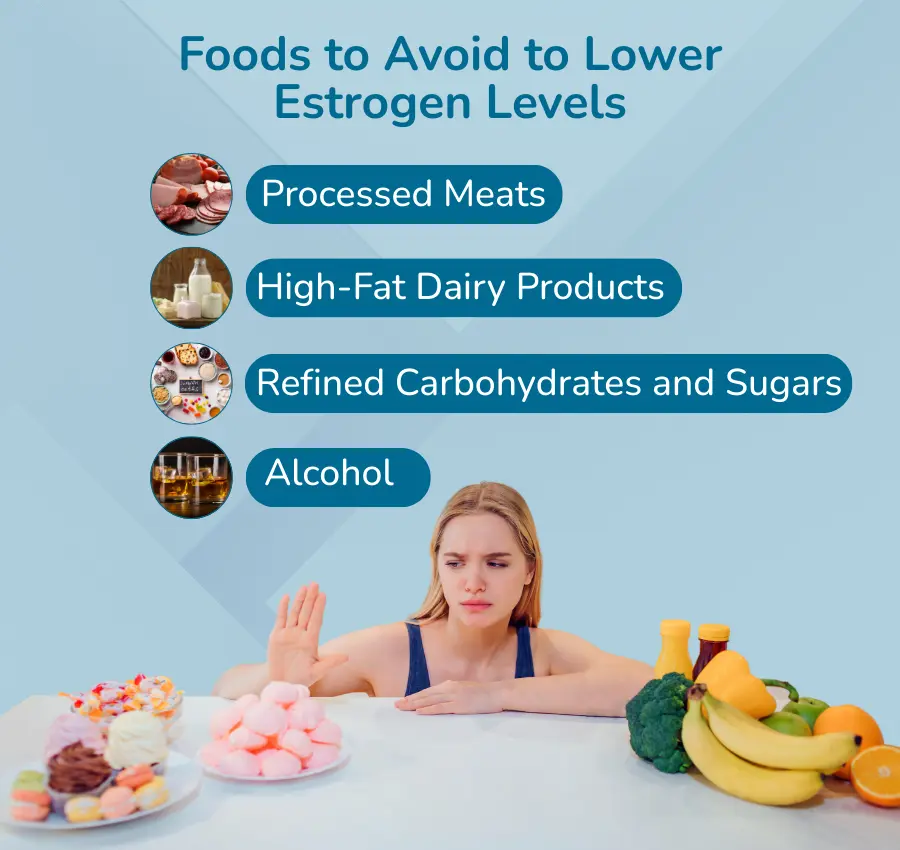
6. Alcohol Intake
Alcohol can interfere with estrogen metabolism and may increase circulating estrogen levels.
Research published in U.S. medical journals has linked higher alcohol consumption with elevated estrogen levels, especially in premenopausal women.
7. Environmental Exposure (Xenoestrogens)
Certain chemicals mimic estrogen in the body:
- BPA (Bisphenol A)
- Phthalates
- Some pesticides
The Environmental Protection Agency acknowledges concerns around endocrine-disrupting chemicals, though research is ongoing.
Symptoms of High Estrogen
Signs may include:
- Weight gain (hips, thighs, breasts)
- Mood swings
- Irregular periods
- Severe PMS
- Breast tenderness
- Fatigue
- Sleep disturbances
- Low libido
These symptoms are not diagnostic on their own. Blood testing and medical evaluation are needed for confirmation.
9 Evidence-Informed Ways to Support Healthy Estrogen Balance
Lifestyle strategies can support hormone regulation — especially when combined with medical guidance.
1.Limit Plastic Food Containers
Heat increases chemical leaching from plastics.
Practical tips:
- Use glass or stainless steel
- Avoid microwaving plastic containers
- Don’t leave plastic bottles in hot cars
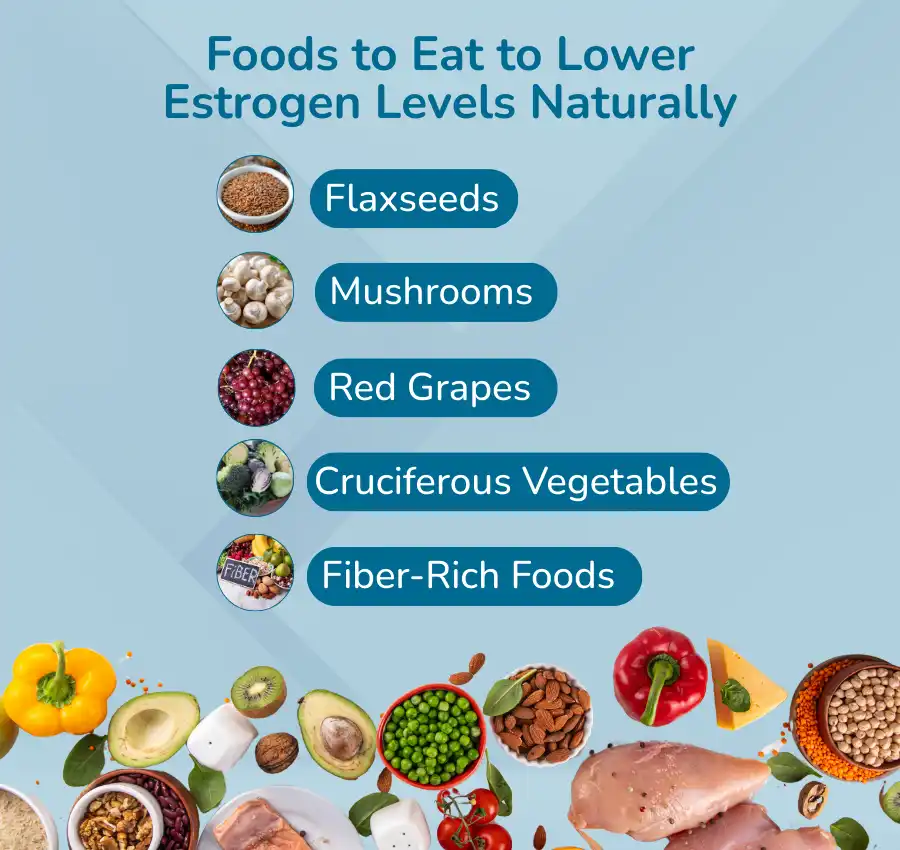
2. Support Liver Health with Balanced Nutrition
A nutrient-dense diet supports hormone metabolism.
Focus on:
- Leafy greens
- Cruciferous vegetables (broccoli, cauliflower)
- Whole fruits
- Lean protein
- Adequate hydration
Magnesium and B vitamins support metabolic pathways involved in estrogen processing.
3. Increase Fiber Intake
Fiber helps bind estrogen in the digestive tract and supports elimination.
Aim for:
- Whole grains
- Beans
- Lentils
- Nuts
- Seeds
The Centers for Disease Control and Prevention recommends adequate fiber intake for overall metabolic health.
4. Moderate Alcohol
Limiting alcohol may help maintain hormonal balance.
5. Prioritize Sleep (7–9 Hours)
Poor sleep disrupts hormone signaling.
The National Sleep Foundation recommends 7–9 hours nightly for adults.
6. Maintain a Healthy Body Weight
Because fat tissue contributes to estrogen production, maintaining a healthy weight may help regulate levels.
Focus on sustainable habits — not extreme dieting.
7. Manage Stress
Chronic stress affects cortisol and progesterone balance.
Helpful strategies:
- Meditation
- Deep breathing
- Yoga
- Regular breaks from screens
8. Exercise Regularly
Moderate aerobic activity may help regulate estrogen metabolism.
Aim for:
- 150 minutes of moderate activity weekly
- 2 days of strength training
Exercise also supports insulin sensitivity, which influences hormone balance.
9. Be Mindful with Soy
Soy contains phytoestrogens (isoflavones).
Current research suggests moderate soy intake is safe for most women, but excessive intake may affect hormone-sensitive conditions. If you have a history of hormone-related conditions, consult a healthcare provider.
When to See a Doctor
Seek medical evaluation if you experience:
- Very heavy or painful periods
- Unexplained weight gain
- Persistent fatigue
- Severe PMS
- Fertility challenges
A healthcare professional may recommend:
- Hormone blood tests
- Thyroid evaluation
- Liver function testing
- Personalized treatment plans
Self-diagnosing hormonal imbalance based on symptoms alone can be misleading.
Final Takeaway
Estrogen is essential — but balance is key.
High estrogen (or estrogen dominance) can impact mood, metabolism, reproductive health, and overall well-being.
The good news?
Lifestyle habits — including nutrition, stress management, exercise, and sleep — can support healthy hormone balance.
But if symptoms are persistent or severe, professional evaluation is essential.
Hormonal health is personal — and treatment should be individualized.
Disclaimer
This content is for informational purposes only and is not medical advice. These statements have not been evaluated by the FDA. Always consult a licensed healthcare provider before making changes to your health routine or starting supplements.
Leave a Reply