
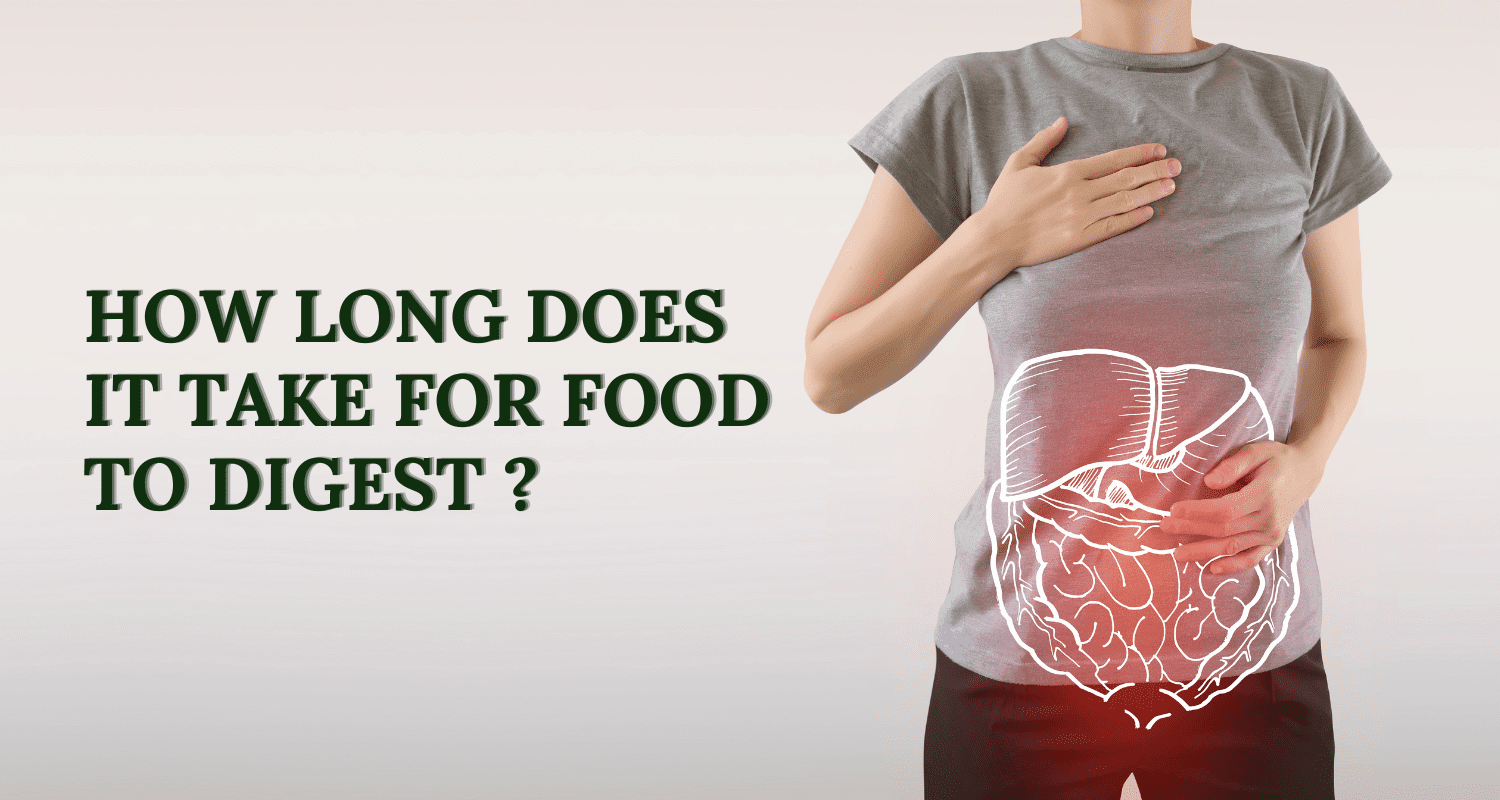
Have you ever wondered what happens to food after you take a bite? Your digestive system is constantly working behind the scenes to break down food and turn it into energy and nutrients your body can use.
The digestive tract is about 30 feet long, stretching from your mouth to your large intestine. Food travels through this system in a complex process involving muscles, enzymes, and several organs.
But how long does it take for food to digest?
The answer varies from person to person. Digestion time depends on many factors, including what you eat, your metabolism, your activity level, and overall digestive health.
Let’s explore how digestion works and what affects the time it takes for food to move through the body.
Key Takeaways
- Digestion is a complex process that breaks food into nutrients your body can absorb
- The average digestion process can take 24 to 72 hours from eating to elimination
- The type of food you eat strongly affects digestion time
- Lifestyle factors like hydration, exercise, and stress influence digestion
- Understanding digestion can help people make healthier food and lifestyle choices
Understanding the Digestive Process
Digestion begins the moment food enters your mouth and continues until waste leaves your body.
This process involves several organs working together to break food into nutrients and remove waste.
The Journey from Mouth to Stomach
Digestion starts in the mouth. Your teeth chew food into smaller pieces while saliva begins breaking down carbohydrates.
Saliva contains enzymes that start the chemical digestion process. Once swallowed, food travels through the esophagus and enters the stomach.
In the stomach, food mixes with digestive acids and enzymes, turning into a semi-liquid substance called chyme.
The Role of Enzymes in Digestion
Enzymes play an essential role in breaking food down into nutrients that the body can absorb.
Important digestive enzymes include:
- Amylase – begins breaking down starches in the mouth
- Pepsin – helps digest proteins in the stomach
- Lipase – breaks down fats in the small intestine
These enzymes allow the body to convert food into smaller molecules that can be used for energy and growth.
How Nutrients Are Absorbed
Most nutrient absorption happens in the small intestine.
The lining of the small intestine contains tiny structures called villi and microvilli, which greatly increase the surface area for nutrient absorption.
Here, vitamins, minerals, proteins, fats, and carbohydrates enter the bloodstream and travel to different parts of the body.
Anything the body cannot digest moves into the large intestine, where water is absorbed and waste is prepared for elimination.
Factors That Affect Digestion Speed
Not everyone digests food at the same rate. Several factors can influence how quickly food moves through the digestive system.
Diet and Food Types
Different nutrients digest at different speeds.
- Carbohydrates digest the fastest
- Proteins take longer to break down
- Fats take the longest to digest
Fiber also plays an important role. High-fiber foods help move waste through the digestive system more efficiently.
Lifestyle Factors
Your daily habits can also influence digestion.
Physical activity
Regular movement helps stimulate intestinal muscles and improves digestion.
Hydration
Water helps break down food and supports smoother digestion.
Stress
High stress levels can slow digestion and may lead to discomfort or bloating.
Personal Health Factors
Individual health conditions also affect digestion speed, including:
- Metabolic rate
- Hormone levels
- Digestive disorders
- Gut microbiome balance
If digestive symptoms become frequent or severe, it’s important to consult a healthcare professional.
The Organs of the Gastrointestinal Tract
The digestive system includes several organs that work together to process food.
Key organs include:
Stomach
Breaks food down with digestive acids.
Small intestine
Absorbs most nutrients.
Liver
Produces bile to help digest fats.
Pancreas
Releases enzymes that break down carbohydrates, proteins, and fats.
Large intestine
Absorbs water and forms solid waste.
Each of these organs plays an important role in maintaining healthy digestion.
How Long Different Foods Take to Digest
The time required to digest food depends largely on the type of nutrients it contains.
Carbohydrates
Simple carbohydrates such as fruit and refined sugars digest quickly.
Average digestion time: 30 minutes to 1 hour
Complex carbohydrates like whole grains take longer.
Average digestion time: 2 to 3 hours
Proteins
Protein-rich foods such as meat, eggs, and dairy require more time to break down.
Average digestion time: 3 to 4 hours
Fats
Fat takes the longest to digest because it requires bile and additional digestive processing.
Meals high in fat may take several hours longer to fully digest.
Meat vs. Plant-Based Foods
Animal-based foods often take longer to digest because they contain complex proteins and fats.
Plant-based foods, especially those high in fiber, tend to move through the digestive system more quickly. Fiber helps add bulk to stool and supports regular bowel movements.
From Stomach to Bowel: What Happens Next
After leaving the stomach, food enters the small intestine, where digestion continues.
The digestive process includes several stages:
- Mechanical breakdown through muscle contractions called peristalsis
- Chemical digestion using enzymes and bile
- Nutrient absorption into the bloodstream
- Waste formation in the large intestine
- Waste elimination through bowel movements
These steps ensure the body extracts nutrients efficiently before eliminating waste.
Total Digestion Time: From Meal to Elimination
While individual stages of digestion happen within hours, the entire digestive process typically takes between 24 and 72 hours.
This timeframe includes:
- Stomach emptying
- Nutrient absorption
- Waste formation
- Bowel movement elimination
Transit time varies based on diet, hydration, physical activity, and overall health.
Common Digestive Disorders
Certain digestive conditions can significantly affect digestion speed.
Irritable Bowel Syndrome (IBS)
IBS can cause digestion to move either too quickly or too slowly. Symptoms often include:
- Bloating
- Abdominal pain
- Constipation
- Diarrhea
Inflammatory Digestive Diseases
Conditions like Crohn’s disease and ulcerative colitis cause inflammation in the digestive tract. This can disrupt normal digestion and reduce nutrient absorption.
Early diagnosis and proper treatment are important for managing these conditions.
Conclusion
Digestion is a complex process that begins the moment you take your first bite of food. The digestive system works continuously to break down nutrients, absorb them into the bloodstream, and eliminate waste.
So, how long does it take for food to digest?
For most people, the entire process—from eating to elimination—takes between 24 and 72 hours. However, digestion speed varies depending on diet, lifestyle, metabolism, and digestive health.
Understanding how digestion works can help you make better dietary choices and support your overall health.
Maintaining a balanced diet, staying hydrated, exercising regularly, and managing stress can all help keep your digestive system functioning smoothly.
If you experience persistent digestive issues, consulting a healthcare professional can help identify the underlying cause and provide appropriate treatment.
Leave a Reply