
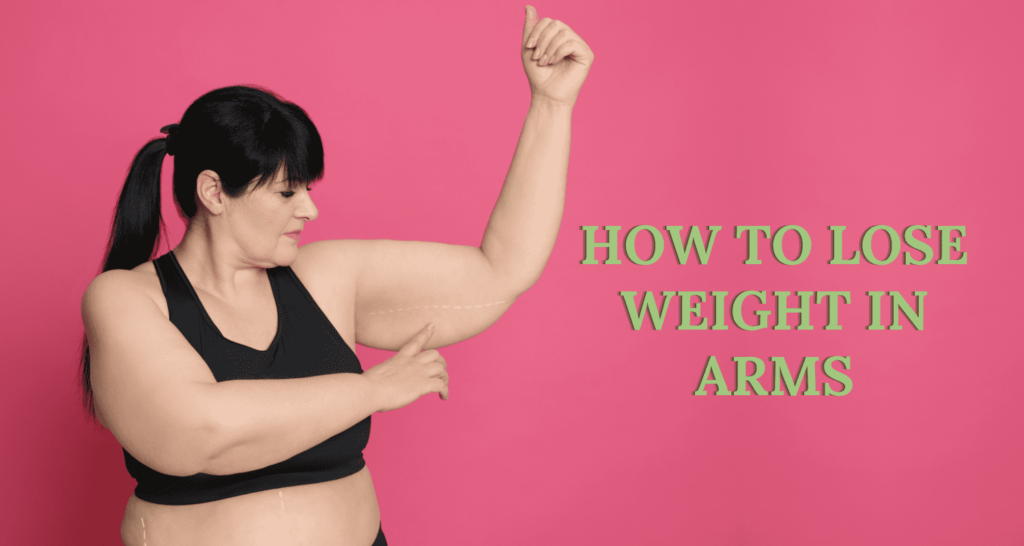
If you’ve been doing endless tricep dips and bicep curls hoping to “target” arm fat — you’re not alone.
A lot of people believe you can shrink fat in one specific area. But here’s the truth:
👉 Spot reduction doesn’t work.
Research has consistently shown that you can’t choose where your body loses fat first. A well-known study published in the Journal of Strength and Conditioning Research found that participants who trained only one arm did not lose fat specifically in that arm (Vispute et al., 2011). Fat loss happens across the whole body — not in isolated areas.
So if you want slimmer, more toned arms, the real strategy is:
✔ Lose overall body fat
✔ Build muscle underneath
✔ Support your body with smart nutrition and lifestyle habits
Let’s break it down.
1. Focus on Overall Weight Loss (Because Spot Reduction Is a Myth)
The American Council on Exercise (ACE) and the American College of Sports Medicine (ACSM) both confirm: fat loss occurs systemically — not locally.
To reduce arm fat, you need to create a calorie deficit, meaning you burn more calories than you consume. When that happens, your body uses stored fat for energy — including fat in your arms.
What Works:
- A balanced diet rich in whole foods
- Regular cardio exercise
- Strength training
- Consistency over time
The CDC recommends 150 minutes of moderate-intensity aerobic activity per week for healthy weight loss and maintenance.
Reference:
- CDC Physical Activity Guidelines (2022)
- ACSM Guidelines for Exercise Testing and Prescription
2. Lift Weights to Tone and Shape Your Arms
While lifting weights won’t directly “burn arm fat,” it builds lean muscle — and that’s what gives arms that firm, defined look.
Resistance training also increases resting metabolic rate. Research published in Obesity (Willis et al., 2012) showed that strength training helps preserve lean mass while reducing fat mass during weight loss.
Best Arm Exercises:
- Bicep curls
- Tricep dips
- Overhead tricep extensions
- Push-ups
- Rows
Benefits of resistance training:
✔ Builds muscle definition
✔ Boosts metabolism
✔ Improves bone density
✔ Enhances daily strength
ACSM recommends strength training at least 2 days per week for all major muscle groups.
3. Increase Fiber Intake (Science Supports This)
Fiber is a weight-loss powerhouse.
A large study published in Annals of Internal Medicine (2015) found that simply increasing fiber intake to 30 grams per day helped participants lose weight — even without strict calorie counting.
Why fiber works:
- Slows digestion
- Improves blood sugar control
- Increases fullness
- Reduces overeating
High-Fiber Foods:
- Berries
- Apples
- Leafy greens
- Oats
- Brown rice
- Lentils
- Chickpeas
- Chia seeds
The USDA recommends:
- Women: 22–28g per day
- Men: 28–34g per day
4. Prioritize Protein (It Protects Muscle During Fat Loss)
Protein helps:
- Control hunger hormones
- Increase satiety
- Preserve muscle while losing fat
A study in the American Journal of Clinical Nutrition (Leidy et al., 2015) found that higher protein intake improves appetite control and supports fat loss.
Aim for protein at every meal.
Good Protein Sources:
- Skinless chicken breast
- Salmon
- Greek yogurt
- Eggs
- Cottage cheese
- Lentils
- Black beans
- Tofu
For active individuals, research suggests 1.2–1.6 grams of protein per kg of body weight may support fat loss while maintaining muscle.
5. Do More Cardio (It Helps Burn Stored Fat)
Cardio increases calorie expenditure and supports overall fat loss.
Research in Obesity Reviews confirms aerobic exercise reduces body fat percentage and visceral fat.
Examples:
- Brisk walking
- Cycling
- Swimming
- Jogging
- Dancing
- HIIT workouts
CDC Recommendation:
- 150–300 minutes moderate intensity
OR - 75–150 minutes vigorous intensity weekly
Mixing steady cardio with HIIT may increase calorie burn and metabolic efficiency.
6. Cut Back on Refined Carbs
Refined carbohydrates (white bread, pastries, sugary cereals) spike blood sugar and can increase fat storage.
A major review in The New England Journal of Medicine (2011) found refined grains and sugary beverages were strongly associated with weight gain over time.
Instead, choose:
- Quinoa
- Oats
- Brown rice
- Whole wheat
- Sweet potatoes
- Beans
Whole grains:
✔ Improve satiety
✔ Reduce heart disease risk
✔ Support better weight control
7. Sleep 7–9 Hours (Underrated but Powerful)
Sleep directly impacts hunger hormones.
Research from the University of Chicago showed that sleep deprivation increases ghrelin (hunger hormone) and decreases leptin (satiety hormone), leading to increased appetite and fat gain.
The National Sleep Foundation recommends:
👉 7–9 hours per night for adults
Poor sleep also reduces workout recovery and slows fat loss.
Tips:
- Keep a consistent bedtime
- Avoid screens 1 hour before bed
- Keep your bedroom cool and dark
8. Stay Hydrated
Drinking water can support fat loss.
A study published in Obesity (2010) found that drinking 500ml of water increased metabolic rate by 30% for about an hour.
Water also:
- Reduces false hunger signals
- Improves workout performance
- Replaces high-calorie sugary drinks
General recommendation:
About 8–10 cups per day (more if active or in hot climates).
The Bottom Line
If you want slimmer, toned arms:
❌ Stop chasing spot reduction myths
✔ Focus on total body fat loss
✔ Lift weights to build muscle
✔ Eat more fiber and protein
✔ Stay active with cardio
✔ Sleep well
✔ Stay hydrated
Arm fat reduction is about consistency, not quick fixes.
The good news? When you combine science-backed nutrition, strength training, and healthy lifestyle habits, your arms will naturally become leaner and more defined over time.
Leave a Reply