
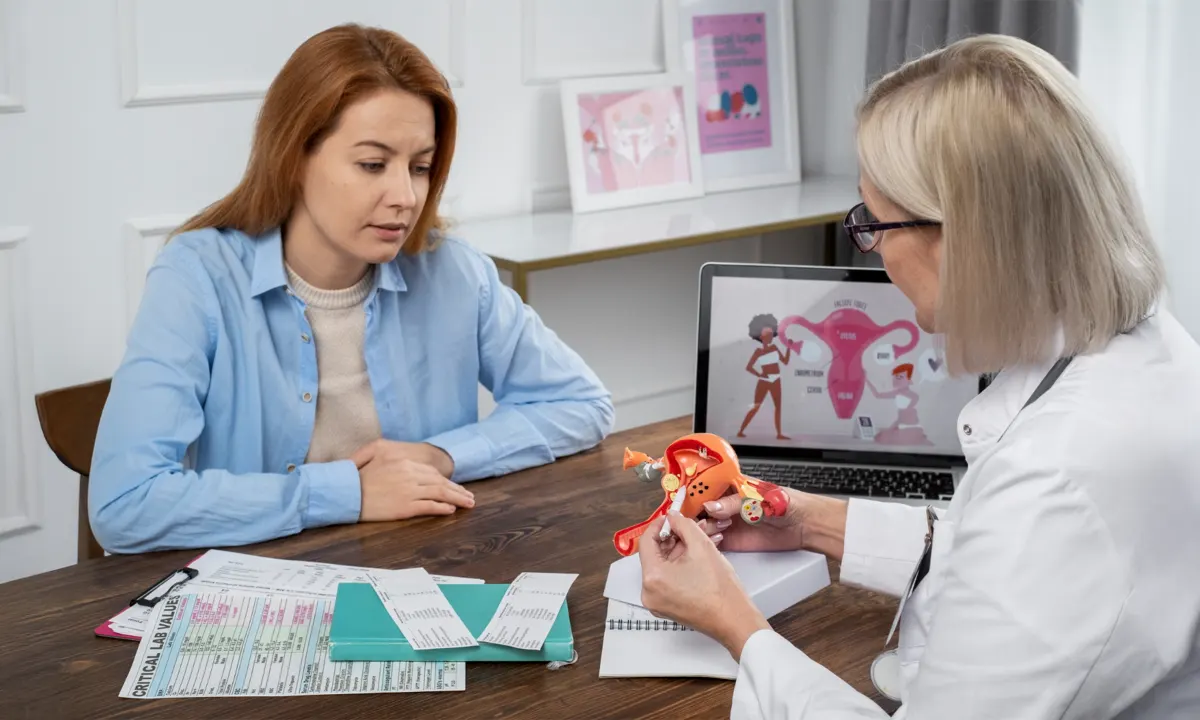
Are you considering endometrial ablation for heavy periods? You may be wondering: Will it affect my sex drive, intimacy, or hormones? Let’s explore what science and real experiences suggest.
Endometrial ablation is an FDA-approved, minimally invasive procedure used to treat heavy or prolonged menstrual bleeding. It is typically recommended for women who do not respond to other treatments.
The procedure works by destroying the uterine lining (endometrium), which significantly reduces or even stops future periods. While it can greatly improve quality of life by eliminating painful and disruptive bleeding, many women naturally ask: How will this affect my intimacy and sex life?
Sexual well-being is closely tied to both physical comfort and emotional health. Changes after endometrial ablation — such as the absence of bleeding, recovery discomfort, or emotional adjustment — can influence how intimacy feels.
This guide explores what to expect physically and emotionally after endometrial ablation, including common changes, recovery tips, and ways to approach intimacy with confidence.
What Is Endometrial Ablation and Why Is It Done?
The endometrium is the inner lining of the uterus. It builds up each month and sheds during your menstrual period.
Endometrial ablation removes or destroys this lining using heat, cold, microwave energy, radiofrequency, or other methods. With less lining available to shed, menstrual bleeding becomes lighter — and in some cases, may stop completely.
Doctors may recommend this procedure for:
- Heavy menstrual bleeding (menorrhagia)
- Bleeding that interferes with daily life
- Certain benign uterine conditions
Common Causes of Heavy Periods
- Hormonal imbalance – Irregular estrogen or progesterone levels
- Uterine conditions – Fibroids or polyps
- Clotting disorders – Blood that doesn’t clot properly
- Certain medications – Such as blood thinners
- Thyroid disorders or PCOS
- Perimenopause – Periods may become heavier before menopause
Is Endometrial Ablation for Everyone?
It is generally not recommended for women who:
- Wish to become pregnant in the future
- Have uterine cancer
- Have certain uterine abnormalities
- Are very close to menopause (in some cases, other management may be preferred)
The procedure is typically outpatient, takes less than 30 minutes, and does not involve abdominal incisions.
How Does Endometrial Ablation Affect Libido?
Libido refers to sexual desire. Endometrial ablation does not directly alter hormone production, as the ovaries remain intact. Therefore, it does not directly change libido.
However, it can affect intimacy indirectly.
Before ablation, heavy or unpredictable bleeding can cause:
- Fatigue
- Anxiety
- Pain or discomfort
- Body image concerns
- Reduced confidence
All of these factors may lower sexual interest.
After successful treatment, many women report:
- Relief from heavy bleeding
- Less pelvic discomfort
- Improved emotional well-being
- Greater confidence during intimacy
Several peer-reviewed studies have reported improvements in sexual satisfaction and quality of life after ablation, largely due to symptom relief.
Takeaway: Endometrial ablation doesn’t directly change libido, but by relieving disruptive symptoms, it may positively impact sexual well-being.
When Can You Resume Intimacy After Ablation?
There is no universal timeline. Recovery varies from person to person.
Most healthcare providers recommend waiting 2 to 4 weeks before resuming vaginal intercourse. This allows the uterine lining to heal and reduces the risk of infection or discomfort.
Consider These Factors
- Your doctor’s instructions
- Type of ablation performed
- Presence of discharge or spotting
- Pelvic cramping
- Emotional readiness
Healing is both physical and emotional. If you feel anxious, sore, or fatigued, it’s completely okay to wait longer.
Signs You May Be Ready
- Vaginal bleeding or discharge has stopped
- Pelvic pain or cramping has resolved
- Your doctor has cleared you
- You feel emotionally comfortable and ready
Warning Signs to Watch For
Contact your healthcare provider if you experience:
- Fever
- Severe abdominal or pelvic pain
- Foul-smelling discharge
- Heavy or unusual bleeding
Why Waiting Is Important
Engaging in intercourse too soon may increase infection risk. After ablation, the uterine lining is temporarily healing and more vulnerable.
Infections, if untreated, may lead to complications. Giving your body time to recover helps reduce these risks and supports long-term comfort.
Tips for Easing Back Into Intimacy
- Start slowly – Take your time and avoid pressure
- Use lubrication if needed – Some women experience temporary dryness
- Communicate openly – Share comfort levels and boundaries
- Pause if uncomfortable – Pain is a sign to slow down
- Explore alternatives – Emotional closeness, cuddling, and non-penetrative intimacy still strengthen connection
If you notice persistent pain or bleeding after intercourse, consult your healthcare provider.
Emotional Changes After Ablation
Physical healing is only part of the journey. Some women feel:
- Relief and renewed confidence
- Anxiety about changes in their body
- Emotional adjustment to the absence of periods
These feelings are normal. Open communication with your partner and healthcare provider can help you navigate this transition smoothly.
Closing Thoughts
There is no “right” timeline for returning to intimacy after endometrial ablation. Every woman’s recovery is unique.
With patience, clear communication, and medical guidance, many women experience improved quality of life and even enhanced intimacy after the procedure.
Your body deserves care, compassion, and time to heal. Trust the process and prioritize your comfort — physically and emotionally.
Disclaimer: This article is for educational purposes only and is not a substitute for professional medical advice. Always consult your healthcare provider for guidance regarding your specific medical situation.
Leave a Reply