

For ages, families have expected mothers to do everything — cook, clean, take care of the kids, and support everyone else. But who takes care of them?
In the past, women were often seen only as helpers rather than individuals with dreams, health needs, and emotions of their own. In ancient Greece, women didn’t have the right to vote, own land, or even speak in public. While much has changed, certain expectations still linger.
Even today, many moms eat last at the dinner table. They go to bed late and wake up early. They carry the emotional and physical weight of the family — often forgetting their own well-being.
It’s time to change that.
A mother’s health matters. Her energy, her sleep, her mood, her body — all of it matters not just for her family, but for herself.
One of the most important places to start?
The gut.
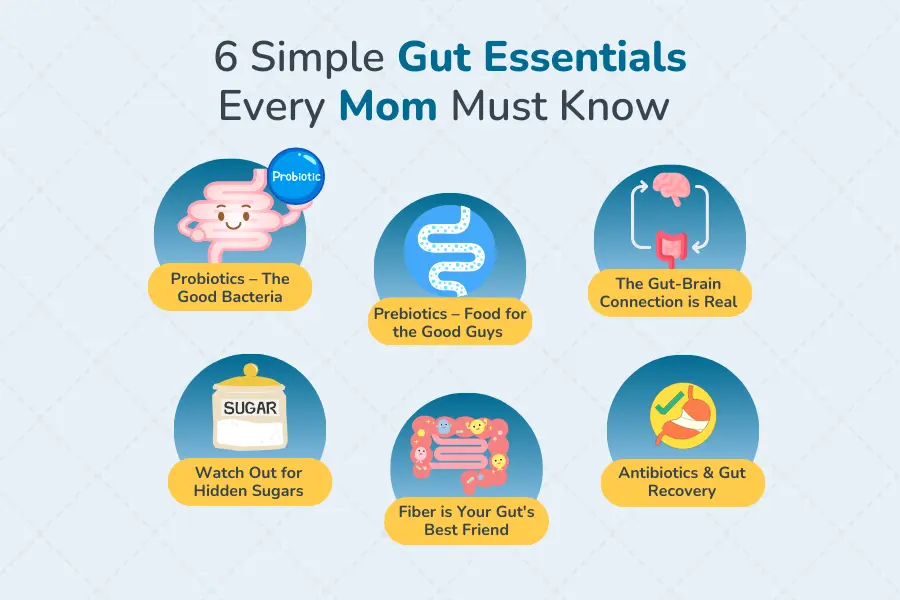
Let’s explore six simple gut essentials every mom should know to feel her best — from the inside out.
Every Woman’s Body Is Different
Just like children grow at different speeds, women’s bodies function differently too.
Some women have strong digestion; others struggle with bloating or stomach discomfort. Some feel energetic in the morning; others experience afternoon fatigue. Some bounce back quickly after childbirth, while others take months — or even years — to fully recover.
No two moms are the same.
Women also have unique nutritional needs. Many require more iron or calcium, especially during pregnancy, breastfeeding, or as they age.
That’s why listening to your body is essential. And one of the most powerful foundations of overall health is a healthy gut.
Why Mom’s Gut Health Matters
The gut is more than just the stomach. It acts as a control center for digestion, immunity, energy, and even mood.
When your gut is out of balance, everything feels harder — sleep, focus, patience, and stamina.
But when your gut is healthy, you feel lighter, stronger, and more balanced.
Gut health isn’t just about avoiding stomach trouble. It’s about feeling well in every part of your day.
6 Simple Gut Essentials Every Mom Must Know
1. Probiotics — The Good Bacteria
Probiotics are beneficial bacteria that live in your gut. They help break down food, fight harmful microbes, and support immunity.
You can find probiotics in fermented foods like:
- Yogurt (with live and active cultures)
- Kefir
- Sauerkraut
- Kimchi
- Miso
Adding a spoonful of yogurt to a smoothie or a small serving of fermented vegetables to your meal can make a difference.
While probiotic supplements are available, whole food sources are often easier and gentler for families.
2. Prebiotics — Food for Good Bacteria
Prebiotics are a type of fiber that feed the good bacteria in your gut. When beneficial bacteria are nourished, they grow stronger — and your gut becomes healthier.
Prebiotic-rich foods include:
- Bananas
- Onions
- Garlic
- Oats
- Asparagus
- Apples (with the peel)
Add oats to muffins, bananas to pancakes, or garlic and onions to soups and pasta.
When you consume both probiotics and prebiotics, they work together in what’s called a symbiotic effect — strengthening your gut ecosystem.
3. The Gut–Brain Connection
Your gut and brain constantly communicate. In fact, the gut is often called the “second brain.”
If your gut is imbalanced, you may feel:
- Irritable
- Tired
- Foggy
- Overwhelmed
For moms, this may show up as mood swings or mental exhaustion.
Supporting gut health through fiber-rich foods, proper hydration, adequate sleep, and limiting excess sugar can positively influence mood and mental clarity.
4. Watch Out for Hidden Sugars
Sugar feeds harmful bacteria in the gut. When bad bacteria grow too quickly, they crowd out the beneficial ones.
This can lead to:
- Gas and bloating
- Cravings
- Mood swings
- Low energy
- Weakened immunity
Hidden sugars often appear in:
- Flavored yogurts
- Fruit juices
- Granola bars
- Breakfast cereals
- Ketchup and bread
Read labels carefully. Look for terms like cane sugar, fructose, or corn syrup.
Healthier swaps include:
- Fresh fruit
- Unsweetened yogurt with a drizzle of honey
- Homemade snacks sweetened with dates or applesauce
Small changes can bring big improvements.
5. Fiber — Your Gut’s Best Friend
Fiber keeps digestion regular, balances blood sugar, and feeds good bacteria.
Many women don’t get enough fiber — but adding it can be simple.
Fiber-rich foods include:
- Apples and pears with skin
- Carrots, broccoli, sweet potatoes
- Oatmeal and brown rice
- Whole wheat bread and pasta
- Beans and lentils
- Chia and flax seeds
Try adding chia seeds to smoothies, swapping white pasta for whole wheat, or serving vegetables with hummus.
Start gradually and increase intake slowly to avoid discomfort.
6. Antibiotics & Gut Recovery
Antibiotics can be life-saving when needed. However, they also eliminate beneficial gut bacteria.
After a course of antibiotics, some people may experience:
- Digestive discomfort
- Diarrhea
- Fatigue
To support recovery:
- Eat probiotic-rich foods
- Increase fiber and prebiotic intake
- Stay hydrated
- Rest adequately
Always use antibiotics only when prescribed and follow your doctor’s guidance.
Bonus: Gut Health Starts Early
Gut health begins in infancy. Breastfeeding, skin-to-skin contact, and early nutrition all help shape a baby’s gut microbiome.
As children grow, introducing a variety of fruits, vegetables, and fermented foods supports lifelong gut health.
Healthy habits built early can support well-being for years to come.
Final Thoughts
Taking care of your gut is one of the most powerful ways to support your entire body.
And when moms care for themselves, they have more energy, patience, and strength to care for their families.
Start small:
- Add a probiotic food to breakfast
- Swap one sugary snack for fruit
- Include more fiber at dinner
- Read labels carefully
- Consider supplements if recommended by your healthcare provider
Your gut may be hidden — but its impact is profound.
You deserve to feel strong, energized, and balanced.
Because when moms feel good on the inside, everything around them runs better too.
Disclaimer: This article is for educational purposes only and does not replace medical advice. Always consult a healthcare professional before starting any new treatment, supplement, or dietary change.
Leave a Reply