
Hormones play a vital role in a woman’s health, influencing everything from mood and energy levels to metabolism and reproductive function. Two of the most important hormones in the female body are estrogen and testosterone.
While estrogen is often labeled the “female hormone” and testosterone the “male hormone,” both are naturally present in women — and both must remain balanced for optimal health.
In appropriate amounts, these hormones support a healthy body and mind. However, imbalances can lead to symptoms such as fatigue, mood swings, skin issues, weight gain, low libido, and reproductive challenges. Over time, hormonal disruption may even contribute to conditions like osteoporosis or polycystic ovary syndrome (PCOS).
Understanding normal estrogen and testosterone levels at different life stages helps identify imbalances early and take steps toward long-term wellness.
In this article, we’ll explore:
- What testosterone and estrogen do in women
- Normal hormone levels by age
- Factors that influence hormone balance
- Signs of imbalance
- Practical ways to support hormonal health
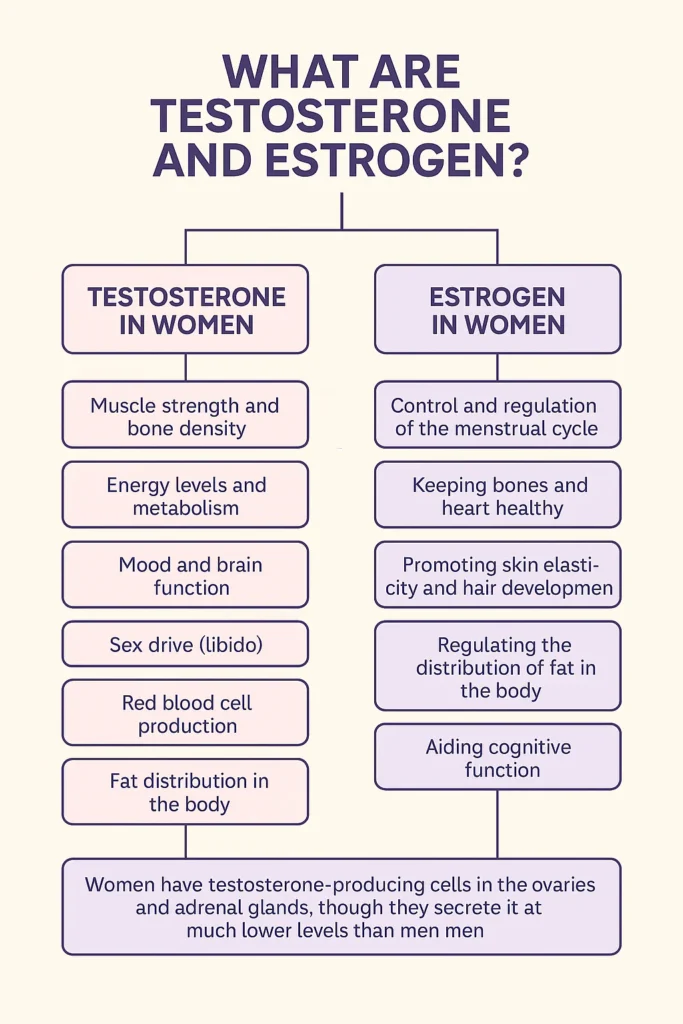
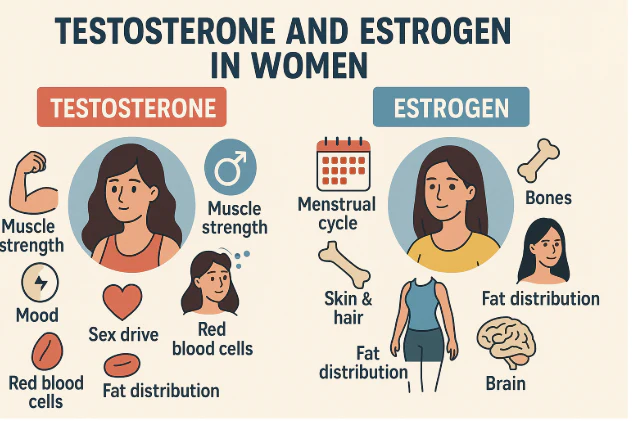
What Are Testosterone and Estrogen?
Testosterone in Women
Testosterone is widely known as the primary male sex hormone, but it is equally important for women — just in smaller amounts.
In women, testosterone supports:
- Muscle strength and bone density
- Energy levels and metabolism
- Mood and cognitive function
- Libido (sex drive)
- Red blood cell production
- Healthy fat distribution
Women produce testosterone in the ovaries and adrenal glands. Although levels are much lower than in men, even slight imbalances can significantly affect mood, strength, and vitality.
Testosterone plays a subtle but essential role in helping women feel strong, focused, and energized.
Estrogen in Women
Estrogen is one of the primary female sex hormones, along with progesterone. It plays a central role in reproductive health and many other body systems.
Estrogen is responsible for:
- Regulating the menstrual cycle
- Supporting fertility and pregnancy
- Maintaining bone density
- Protecting heart health
- Promoting skin elasticity and hair growth
- Influencing fat distribution
- Supporting cognitive function
It is produced mainly in the ovaries, with smaller amounts coming from fat tissue and adrenal glands.
There are three primary forms of estrogen:
- Estradiol (E2): The dominant form during reproductive years
- Estrone (E1): The main form after menopause
- Estriol (E3): Prominent during pregnancy
Normal Estrogen and Testosterone Levels by Age
Hormone levels naturally fluctuate throughout a woman’s life.
Normal Estradiol (E2) Levels
- Pre-puberty: Less than 20 pg/mL
- Reproductive years: 30–400 pg/mL (varies by menstrual phase)
- Perimenopause: Levels fluctuate and gradually decline
- Postmenopause: Below 30 pg/mL
Estrogen rises before ovulation and falls before menstruation. After menopause, levels drop significantly, which can contribute to hot flashes, mood changes, and bone loss.
Normal Testosterone Levels in Women
- Typical adult range: 15–70 ng/dL
- Peak levels: Often in the 20s
- Postmenopause: May decline further
Even small deviations from the normal range can impact energy, muscle tone, mood, and libido.
5 Key Factors That Influence Hormone Levels
Hormone production is influenced by multiple internal and external factors:
1. Natural Life Stages
Puberty, pregnancy, perimenopause, and menopause naturally alter hormone production.
2. Lifestyle Habits
Poor diet, sleep deprivation, chronic stress, and sedentary behavior can disrupt hormonal balance.
3. Medical Conditions
Conditions such as PCOS, thyroid disorders, and adrenal dysfunction can significantly affect hormone levels.
4. Medications
Birth control pills, hormone replacement therapy (HRT), and certain medications may alter hormone production.
5. Environmental Exposure
Endocrine disruptors — chemicals found in some plastics (like BPA), cosmetics, and pesticides — can interfere with normal hormonal function.
Signs of Hormonal Imbalance in Women
When estrogen or testosterone levels become too high or too low, noticeable symptoms may appear.
Signs of High Estrogen
- Unexplained weight gain
- Heavy or irregular periods
- Mood swings and irritability
- Breast tenderness
- Bloating
- Fatigue
- Increased anxiety or depression
Signs of Low Estrogen
- Hot flashes and night sweats
- Vaginal dryness
- Brain fog and difficulty concentrating
- Increased risk of osteoporosis
- Reduced skin elasticity
- Irregular or missed periods
Signs of High Testosterone
- Excess facial or body hair (hirsutism)
- Acne or oily skin
- Irregular menstrual cycles
- Hair thinning or male-pattern hair loss
- Voice deepening (rare and severe cases)
Signs of Low Testosterone
- Persistent fatigue
- Decreased libido
- Loss of muscle mass
- Increased body fat
- Poor concentration
- Low mood or irritability
How to Support Hormonal Balance
The good news? Lifestyle adjustments can significantly support hormone health.
Diet Tips
- Include healthy fats (avocados, nuts, olive oil) to support hormone production.
- Eat fiber-rich foods (vegetables, whole grains) to help regulate estrogen.
- Consume adequate protein (eggs, fish, legumes) to maintain muscle and metabolism.
- Reduce processed foods and excess sugar to prevent hormonal spikes.
- Stay hydrated and limit alcohol and caffeine intake.
Lifestyle Changes
- Combine strength training with moderate cardio.
- Prioritize 7–9 hours of sleep nightly.
- Practice stress management (meditation, yoga, breathing exercises).
- Reduce exposure to plastics and harsh chemical products.
Medical Support Options
- Hormone Replacement Therapy (HRT) for menopause symptoms (under medical supervision).
- Supplements such as vitamin D, magnesium, or physician-recommended herbal support.
- Targeted medications for conditions like PCOS or thyroid disorders.
Always consult a healthcare professional before starting supplements or hormone therapy.
When to See a Doctor
If symptoms persist despite lifestyle adjustments, medical evaluation is essential.
Consider testing if you experience:
- Severe PMS
- Ongoing fatigue
- Irregular cycles
- Unexplained weight changes
- Persistent low libido
- Hair thinning or excessive hair growth
Blood tests can measure estrogen, testosterone, and related hormones. A healthcare provider can then recommend a personalized treatment plan.
Sometimes hormonal imbalance may signal underlying issues such as insulin resistance, thyroid dysfunction, or adrenal disorders — early detection makes a significant difference.
Final Thoughts
Testosterone and estrogen are both essential for a woman’s overall health — not just reproductive function. These hormones influence:
- Mood
- Metabolism
- Bone strength
- Muscle tone
- Heart health
- Cognitive performance
Whether you are in your 20s, 40s, or postmenopause, understanding hormone patterns helps you stay proactive about your well-being.
By combining balanced nutrition, regular exercise, quality sleep, stress management, and professional medical guidance when needed, you can support healthy hormone levels at every stage of life.
Hormonal health is whole-body health — and caring for it improves your quality of life in lasting ways.
Disclaimer: This article is for educational and informational purposes only and is not intended to replace professional medical advice, diagnosis, or treatment. Always consult a qualified healthcare provider regarding any medical concerns.
Leave a Reply