
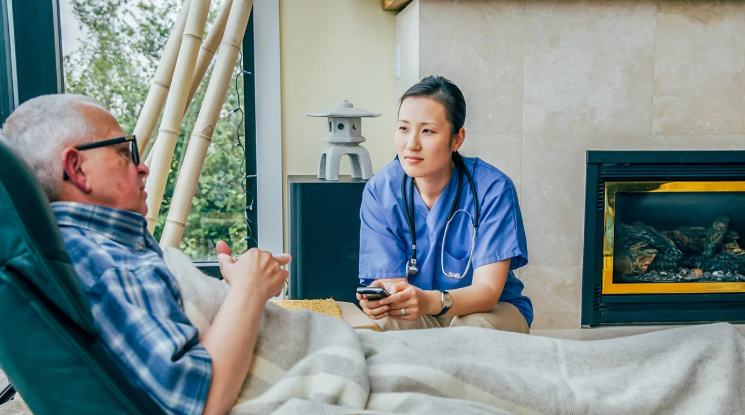
An oncologist is a doctor who specializes in diagnosing and treating cancer. If you or a loved one is diagnosed with cancer, this specialist will guide your treatment and coordinate your care.
Cancer treatment is highly personalized. Oncologists design treatment plans based on detailed pathology reports that reveal important information, such as:
- The type of cancer
- How advanced the cancer is
- How quickly it may spread
- Which parts of the body are affected
Because cancer treatment often involves multiple approaches, patients usually work with several types of oncologists during their care.
According to the American Cancer Society, most cancer patients receive a combination of treatments, which may include surgery, medication, or radiation therapy.
Types of Oncologists
Cancer care involves different specialists, each focusing on a specific treatment approach.
Medical Oncologists
Medical oncologists treat cancer using medications that travel through the body to target cancer cells.
These treatments may include:
- Chemotherapy
- Hormone therapy
- Immunotherapy
- Targeted therapy
Many patients consider the medical oncologist their primary cancer doctor because this specialist often oversees the overall treatment plan.
Medical oncologists also help patients:
- Manage treatment side effects
- Monitor recovery progress
- Provide follow-up care after treatment ends
Research from the National Cancer Institute shows that medical therapies are a core part of treatment for many cancers.
Radiation Oncologists
Radiation oncologists treat cancer using high-energy radiation beams that destroy cancer cells.
According to studies summarized by the National Cancer Institute, about half of all cancer patients receive radiation therapy at some point during treatment.
Radiation therapy may involve:
- External radiation beams targeting tumors
- Internal radiation implants sometimes called “seeds”
- Highly focused treatments known as radiosurgery
These methods are designed to damage cancer cells while protecting surrounding healthy tissue.
Surgical Oncologists
A surgical oncologist specializes in removing tumors through surgery.
Often, these doctors are involved early in the diagnostic process. They may perform a biopsy, which involves removing a small tissue sample to test for cancer.
If cancer is detected, the surgeon may also perform procedures to:
- Remove tumors
- Remove surrounding tissue to prevent spread
- Determine the stage of cancer
Surgical oncologists also help patients prepare for surgery and manage recovery afterward.
Pediatric Oncologists
Pediatric oncologists diagnose and treat cancer in children and adolescents.
According to global data from the World Health Organization, around 175,000 children under age 15 are diagnosed with cancer each year worldwide.
In the United States, survival rates for childhood cancer have improved dramatically. Data from the National Cancer Institute shows that about 80% of children diagnosed with cancer survive at least five years after diagnosis.
Pediatric oncologists also play a crucial role in helping families understand treatment and cope with the emotional challenges of childhood cancer.
Gynecologic Oncologists
Gynecologic oncologists focus on cancers affecting the female reproductive system, including:
- Ovarian cancer
- Cervical cancer
- Uterine cancer
- Vaginal cancer
- Vulvar cancer
These specialists also treat certain complex non-cancer conditions, such as severe endometriosis or fibroid tumors.
Because these cancers affect reproductive health, gynecologic oncologists receive extensive specialized training in both oncology and gynecology.
Hematologist-Oncologists
Hematologist-oncologists treat cancers of the blood and lymphatic system, such as:
- Leukemia
- Lymphoma
- Multiple myeloma
These doctors also diagnose and treat non-cancer blood disorders, including:
- Sickle cell anemia
- Hemophilia
Because blood cancers affect the immune and circulatory systems, treatment often involves highly specialized therapies.
Preparing for Your First Oncology Appointment
Your first visit with an oncologist can feel overwhelming, but being prepared can help you get the most out of the appointment.
What to Bring
Consider bringing the following:
- A trusted friend or family member for support
- Copies of your medical records
- Results from imaging tests or lab work
- A list of medications and supplements you take
Having someone with you can also help you remember important details discussed during the visit.
What to Expect During Your Visit
Initial oncology appointments often last two to three hours because your doctor needs to review your full medical history and diagnostic information.
During the visit, you may experience:
Emotional Reactions
A cancer diagnosis can trigger many emotions, including fear, sadness, anger, or shock. These reactions are completely normal.
Physical Examination
Your oncologist may perform another physical exam to look for symptoms related to cancer.
Additional Testing
Your doctor may recommend more tests, such as:
- Blood tests
- Imaging scans (CT scans, MRIs, or ultrasounds)
- Biopsies
Meeting the Care Team
You might also meet other members of your care team, such as nurses, patient navigators, or financial counselors who can explain treatment costs and insurance coverage.
Early Prognosis
In some cases, the oncologist may provide an early estimate of treatment length or recovery expectations.
Questions to Ask Your Oncologist
It’s common to forget questions during stressful medical appointments. Writing them down beforehand can help.
Helpful questions may include:
- What type of cancer do I have?
- What stage is my cancer?
- What treatment options are available?
- What side effects should I expect?
- How long will treatment last?
- What lifestyle changes should I make?
Keeping notes on your phone or in a notebook can ensure you don’t miss important information.
Tests Oncologists May Perform
To diagnose or monitor cancer, oncologists may use several types of tests.
These may include:
- Physical examinations
- Blood and urine tests
- Imaging scans such as CT scans, MRIs, or ultrasounds
- Tissue biopsies
These tests help doctors determine the type, stage, and spread of cancer, which guides treatment decisions.
Training and Education for Oncologists
Becoming an oncologist requires extensive medical training.
Typically, the path includes:
- Completing medical school
- Finishing a three-year residency in internal medicine
- Completing an additional two to three years in an oncology fellowship
Specialties require additional training. For example:
- Surgical oncologists complete surgical residency programs
- Radiation oncologists complete specialized radiation oncology residencies
This rigorous training ensures oncologists have the expertise needed to diagnose and treat complex cancers.
How to Find a Good Oncologist
Finding the right cancer specialist is an important step in your treatment journey.
Many patients begin by asking their primary care doctor for recommendations.
You can also research oncologists through trusted organizations like the American College of Surgeons, which certifies high-quality cancer centers through its Commission on Cancer program.
Choosing a specialist affiliated with a reputable hospital can also improve access to advanced treatments and multidisciplinary care teams.
The Bottom Line
An oncologist is a doctor who specializes in diagnosing and treating cancer. Because cancer treatment often involves multiple approaches, patients may work with several specialists, including:
- Medical oncologists
- Radiation oncologists
- Surgical oncologists
- Pediatric oncologists
- Gynecologic oncologists
- Hematologist-oncologists
These experts collaborate to develop personalized treatment plans based on the type and stage of cancer.
If you’re referred to an oncologist, you can expect additional testing, detailed discussions about treatment options, and support from a full cancer care team.
With advances in modern medicine and specialized cancer care, treatment outcomes continue to improve, giving many patients better chances for recovery and long-term survival.
Leave a Reply