Did you know that reports of overdoses involving semaglutide medications have sharply increased in recent years?
Medications like Ozempic and Wegovy are widely used for managing type 2 diabetes and weight loss. But taking more than the prescribed dose can lead to serious—and sometimes dangerous—side effects.
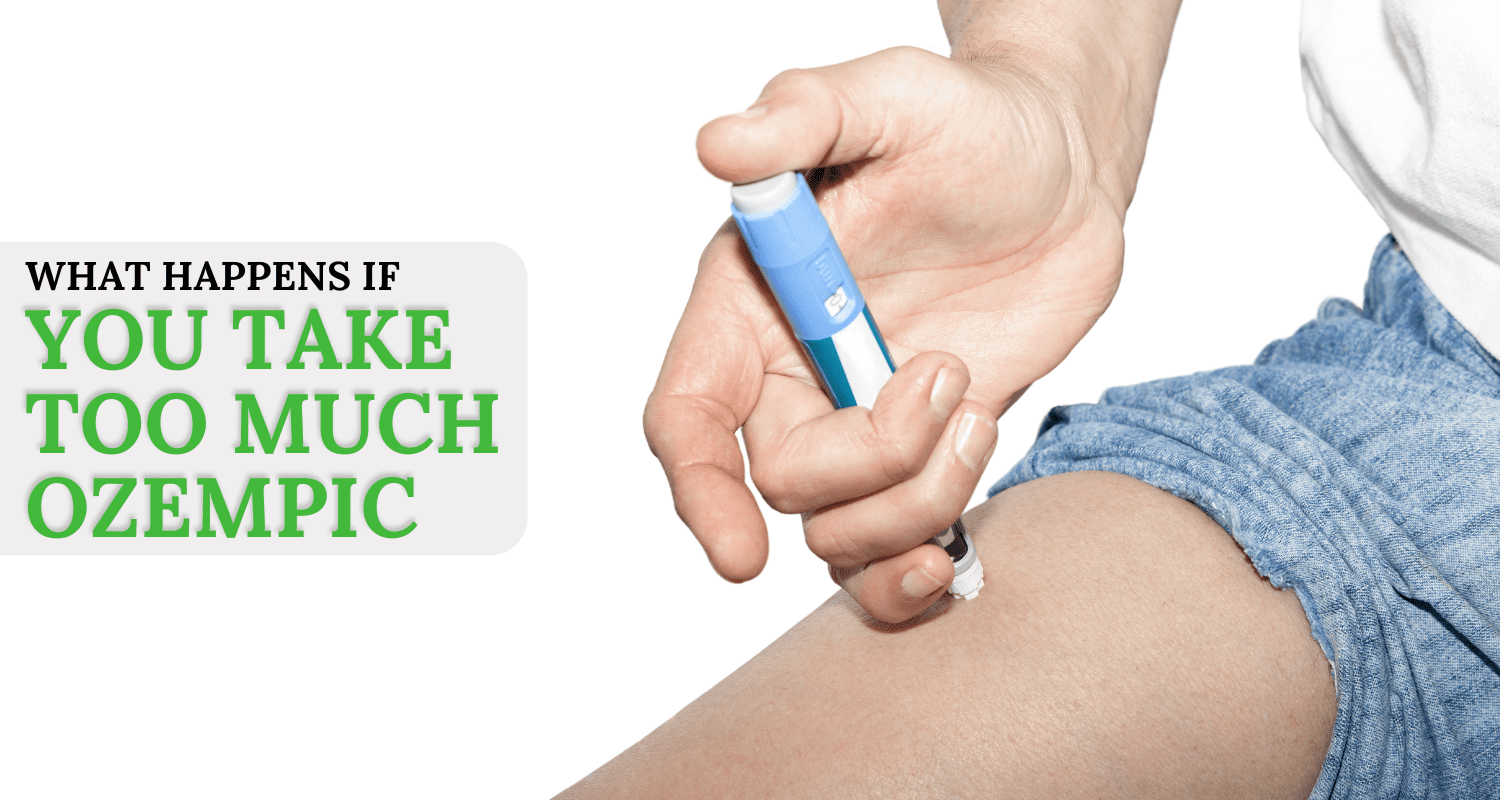
If you’re wondering what happens if you take too much Ozempic, the short answer is: it can make you very sick and may require medical attention.
In this guide, we’ll break down the risks, symptoms, causes of overdose, and what to do if it happens.
Key Takeaways
- Taking too much Ozempic can cause severe nausea, vomiting, and stomach pain
- Overdose may lead to dehydration, kidney issues, and dangerously low blood sugar
- Cases of semaglutide overdose have increased significantly in recent years
- Non-approved or compounded versions carry higher safety risks
- Immediate medical attention is essential if an overdose is suspected
Why Do Ozempic Overdoses Happen?
There isn’t just one reason—overdoses usually happen due to a combination of factors.
Rapid Dose Increases
Some people increase their dosage too quickly, hoping for faster weight loss results. This can overwhelm the body and lead to severe side effects.
Appetite Suppression Effects
Semaglutide reduces appetite, but taking too much can intensify side effects like nausea, vomiting, and digestive distress.
Medication Shortages
Due to high demand, shortages have led some people to seek alternative sources, including compounded versions that may not be properly regulated.
Use of Compounded Semaglutide
Non-approved versions may contain different ingredients or incorrect dosages, increasing the risk of overdose and complications.
Following your doctor’s prescribed dosage is the safest way to avoid these risks.
Symptoms of Taking Too Much Ozempic
An overdose can affect multiple systems in the body. Symptoms can range from uncomfortable to severe.
Common Symptoms
- Severe nausea
- Frequent or forceful vomiting
- Stomach pain or cramping
- Diarrhea
- Loss of appetite
Serious Warning Signs
- Extreme weakness or fatigue
- Signs of dehydration (dry mouth, dizziness)
- Confusion or shakiness (low blood sugar)
These symptoms can worsen quickly, so it’s important not to ignore them.
Complications of an Ozempic Overdose
In more serious cases, taking too much Ozempic can lead to dangerous health complications.
Dehydration
Persistent vomiting and diarrhea can cause significant fluid loss, requiring IV fluids.
Kidney Problems
Severe dehydration may lead to acute kidney injury if not treated promptly.
Hypoglycemia (Low Blood Sugar)
Although less common, dangerously low blood sugar can occur—especially if combined with other diabetes medications.
Gastrointestinal Issues
In rare cases, slowed stomach emptying (gastroparesis) or bowel blockage can occur.
These complications highlight why medical attention is critical in suspected overdose cases.
The Risks of Compounded Semaglutide
Compounded versions of semaglutide are not reviewed or approved by the U.S. Food and Drug Administration.
This means:
- They may contain different or inconsistent ingredients
- Dosages may not be accurate
- Safety and effectiveness are not guaranteed
Health authorities have warned that these products may increase the risk of overdose and serious side effects.
For safety, always use medications prescribed by a licensed healthcare provider.
Rising Cases of Semaglutide Overdoses
According to data from America’s Poison Centers, calls related to semaglutide exposure have increased significantly over the past few years.
This rise is linked to:
- Increased popularity for weight loss
- Social media influence and celebrity endorsements
- Limited availability of approved medications
- Growth of unregulated compounded alternatives
This trend highlights the importance of proper usage and medical supervision.
What to Do If You Take Too Much Ozempic
If you suspect an overdose, act quickly.
Seek Immediate Medical Help
Contact a healthcare provider or poison control center right away.
Monitor Symptoms
Watch for signs of dehydration, severe vomiting, or low blood sugar.
Medical Treatment May Include:
- IV fluids to prevent dehydration
- Medications to control nausea
- Glucose or glucagon for low blood sugar
- Hospital monitoring in severe cases
There is no specific antidote for semaglutide overdose, so treatment focuses on managing symptoms until the drug clears from the body.
Safety Tips to Prevent Overdose
- Always follow your prescribed dosage
- Never increase your dose without medical advice
- Avoid using unapproved or compounded versions
- Store medications safely and use proper injection techniques
- Keep regular follow-ups with your healthcare provider
Conclusion
Taking too much Ozempic can lead to serious health risks, including severe digestive issues, dehydration, kidney problems, and low blood sugar.
With the growing popularity of semaglutide medications, it’s more important than ever to use them responsibly. Sticking to prescribed doses and avoiding unapproved alternatives can significantly reduce your risk.
If you ever suspect an overdose, don’t wait—seek medical help immediately. Quick action can prevent complications and protect your health.