Did you know that creatine is one of the most researched sports supplements in the world?
In fact, studies suggest a large percentage of athletes and gym-goers use creatine to improve strength, endurance, and muscle performance. But many people still ask an important question:
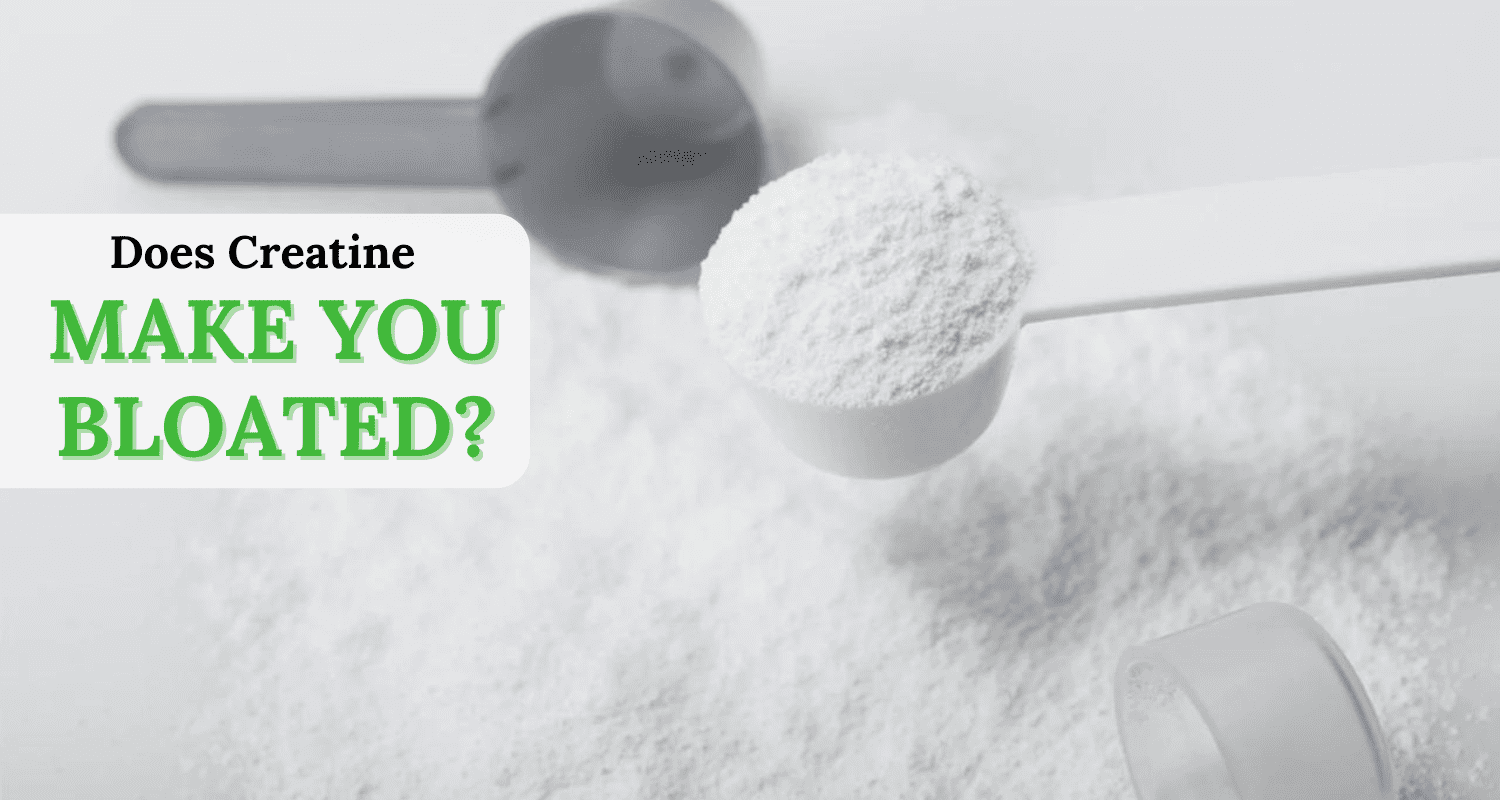
Does creatine make you bloated?
The short answer: sometimes—but not in the way most people think.
Let’s explore what really happens inside the body and how to reduce any discomfort.
Key Takeaways
- Creatine supports muscle strength and exercise performance.
- Some users notice temporary water retention.
- Most “bloating” occurs inside muscle cells, not under the skin.
- Digestive discomfort may happen if dosage is too high.
- Proper hydration and dosing can reduce side effects.
Why Creatine Can Cause a Bloated Feeling
Creatine increases the amount of water stored inside muscle cells. This process is called intracellular water retention.
This leads to:
- Fuller-looking muscles
- Slight increase in body weight
- Temporary feeling of tightness or fullness
Importantly:
This is not the same as unhealthy fluid retention (edema).
Instead, it’s part of how creatine improves strength performance.
Is Creatine Bloating Permanent?
No.
Creatine-related bloating is usually:
- temporary
- mild
- dose-dependent
- different for each person
Many users experience no bloating at all.
Often, bloating happens during the loading phase (high-dose early intake).
Common Digestive Side Effects of Creatine
Some people experience stomach discomfort, especially when taking large doses quickly.
Possible side effects include:
Upset stomach
Often occurs when creatine is taken on an empty stomach.
Loose stools
Can happen if dosage exceeds recommended levels.
Gas or abdominal fullness
Usually temporary and improves after adjustment.
These symptoms are more common with:
- dehydration
- high single doses
- poor supplement quality
How to Reduce Bloating While Taking Creatine
The good news: simple strategies can prevent most side effects.
1. Use the Right Dosage
Typical maintenance dose:
3–5 grams daily
Many people skip the loading phase entirely and still get excellent results.
2. Drink Enough Water
Creatine pulls water into muscles.
So hydration helps your body balance fluids properly.
General guideline:
- Men: about 3–3.7 liters daily
- Women: about 2–2.7 liters daily
3. Take Creatine With Food
Pairing creatine with meals improves absorption and reduces stomach discomfort.
Best options include meals containing:
- carbohydrates
- protein
4. Split Your Dose
Instead of taking one large serving:
Try:
2–3 smaller servings throughout the day
This reduces digestive stress.
5. Choose High-Quality Creatine Monohydrate
The most researched and safest form:
Creatine monohydrate
Low-quality blends sometimes increase stomach irritation.
Does Creatine Cause Water Retention Under the Skin?
This is a common myth.
Creatine mainly increases:
intramuscular water storage
Not:
subcutaneous water retention
That means muscles look:
- fuller
- stronger
- more hydrated
—not puffy.
Why Some People Experience More Bloating Than Others
Your response depends on several personal factors:
Metabolism
Faster metabolism may process creatine more efficiently.
Muscle mass
Higher muscle mass = more creatine storage capacity.
Hydration habits
Poor hydration increases side effects.
Dosage strategy
Large loading doses increase bloating risk.
Should You Stop Creatine If You Feel Bloated?
Usually not necessary.
Instead:
Try adjusting:
- dosage
- timing
- hydration
- supplement quality
If symptoms continue, consult a healthcare professional.
Final Verdict: Does Creatine Make You Bloated?
Creatine can cause mild temporary bloating in some people, especially during high-dose loading phases.
However:
Most users experience muscle fullness rather than stomach bloating, and proper hydration plus correct dosing greatly reduces side effects.
When used correctly, creatine remains one of the safest and most effective performance supplements available today.