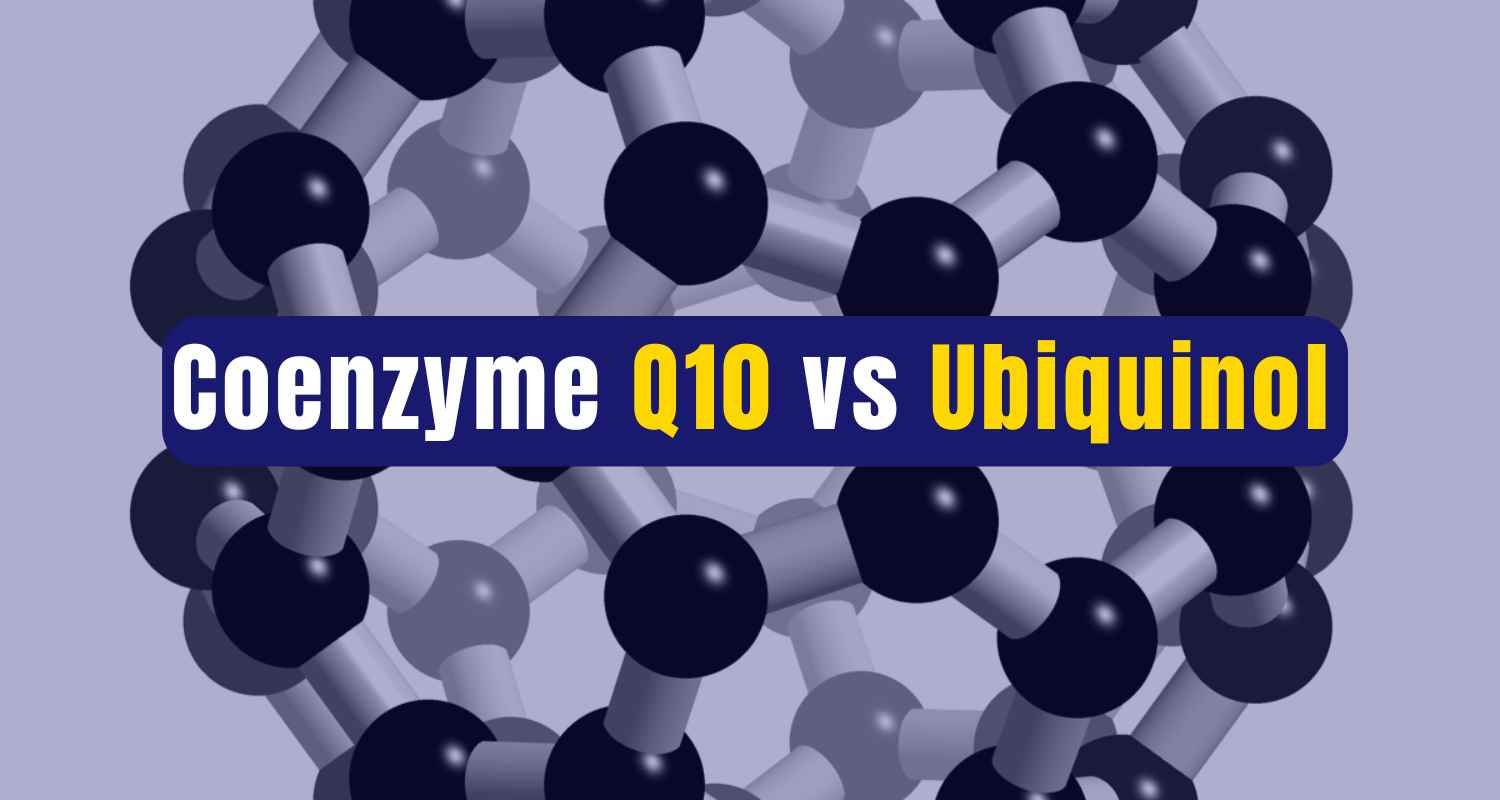
Coenzyme Q10 (CoQ10) is an essential compound found in every cell of the body. It plays a major role in energy production and antioxidant protection, making it one of the most widely used nutritional supplements worldwide.
However, CoQ10 exists in two main forms:
- Ubiquinone (oxidized form)
- Ubiquinol (reduced, active antioxidant form)
Understanding the difference between these two forms can help you choose the right supplement for your needs.
Key Takeaways
- Both ubiquinone and ubiquinol are forms of CoQ10
- They support cellular energy production (ATP)
- Ubiquinol is generally more bioavailable in older adults
- The body naturally converts one form into the other
- The best choice depends on age, health status, and absorption ability
What Is Coenzyme Q10?
Coenzyme Q10 is a naturally occurring compound stored mainly in:
- heart
- liver
- kidneys
- muscles
It helps mitochondria produce ATP (adenosine triphosphate), the body’s primary energy molecule.
CoQ10 levels naturally decline with:
- aging
- chronic illness
- statin medications
- high oxidative stress
Ubiquinone vs Ubiquinol: The Main Difference
The biggest difference between these two forms is their chemical state and absorption behavior.
Ubiquinone
- Oxidized form of CoQ10
- More stable for supplement manufacturing
- Converted into ubiquinol inside the body
- Works well for younger and healthy individuals
Ubiquinol
- Reduced (active antioxidant) form
- Already usable by the body
- Higher absorption in some populations
- Often preferred for adults over 40
Both forms participate in the same biological cycle inside cells.
Absorption and Bioavailability Differences
Bioavailability affects how much of a supplement your body can actually use.
Ubiquinol Absorption
Ubiquinol may:
- absorb more efficiently
- enter circulation faster
- support individuals with reduced conversion ability
This can benefit people with:
- digestive concerns
- aging-related nutrient decline
- chronic health conditions
Ubiquinone Absorption
Ubiquinone:
- requires conversion into ubiquinol
- is still effective for many people
- is usually more affordable
Healthy younger adults typically convert it efficiently.
Health Benefits of Coenzyme Q10
Both forms provide similar core benefits.
1. Supports Cellular Energy Production
CoQ10 helps mitochondria generate ATP, which fuels:
- muscles
- brain
- heart
This makes it especially important for energy-demanding organs.
2. Acts as a Powerful Antioxidant
CoQ10 helps protect cells from oxidative stress caused by free radicals.
This supports:
- healthy aging
- immune balance
- cellular protection
3. Supports Heart Health
Research suggests CoQ10 may help support:
- healthy blood pressure levels
- heart muscle function
- circulation efficiency
It’s commonly used alongside statin therapy (under medical supervision).
4. May Support Skin Health
CoQ10 supports skin by:
- protecting against environmental stress
- supporting collagen structure
- reducing visible signs of aging
It is used both orally and in skincare products.
Understanding the CoQ10 Conversion Cycle
Inside the body:
- ubiquinone converts into ubiquinol
- ubiquinol converts back into ubiquinone
This recycling system allows continuous support for:
- ATP production
- antioxidant defense
So both forms are biologically useful.
Who Should Consider Ubiquinol Instead of Ubiquinone?
Ubiquinol may be more beneficial for:
- adults over 40
- people with cardiovascular conditions
- individuals taking statins
- those with absorption difficulties
- people experiencing fatigue-related concerns
Younger individuals often do well with standard CoQ10 (ubiquinone).
Typical Dosage Guidelines
Common supplemental ranges:
- 100–200 mg daily (general wellness)
- 200–400 mg (under professional supervision for specific conditions)
Always consult a healthcare professional before starting supplementation.
Safety and Side Effects
CoQ10 is generally well tolerated.
Possible mild side effects include:
- digestive discomfort
- nausea
- headache
- insomnia (if taken late in the day)
It may interact with:
- blood pressure medications
- blood thinners
- diabetes medications
Medical guidance is recommended before use.
Coenzyme Q10 vs Ubiquinol: Which One Is Better?
There is no single “best” option for everyone.
Choose ubiquinone if:
- you are younger
- you want a cost-effective option
- you have no absorption issues
Choose ubiquinol if:
- you are over 40
- you take statins
- you want maximum absorption support
- you have chronic fatigue concerns
Both support energy production and antioxidant protection effectively.
Final Thoughts
Coenzyme Q10 plays a critical role in:
- cellular energy production
- cardiovascular support
- antioxidant defense
- healthy aging
Whether you choose ubiquinone or ubiquinol, the right option depends on your age, lifestyle, and health goals.
Consulting a healthcare professional helps ensure the safest and most effective choice.