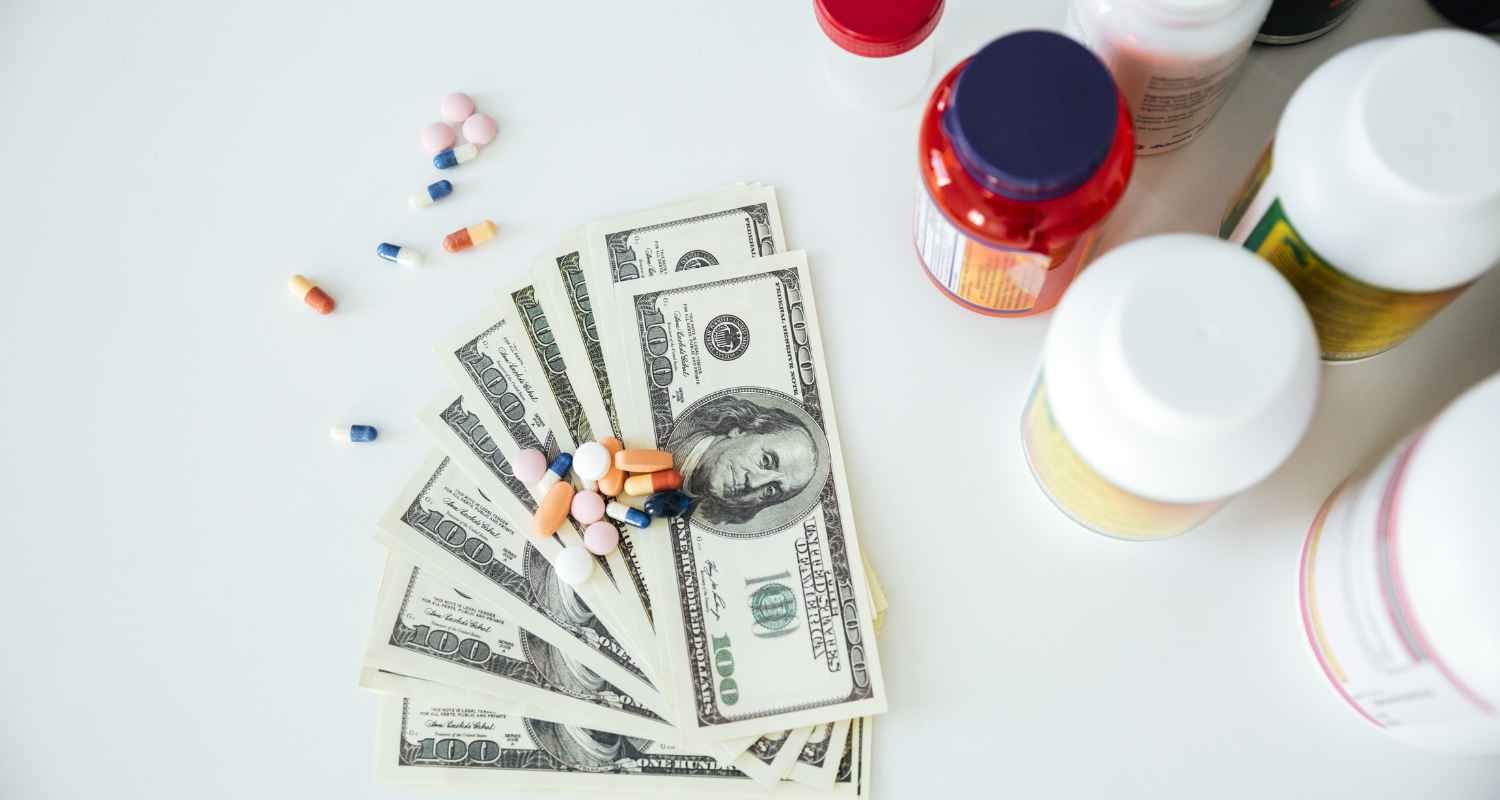
If you’ve filled a prescription recently in the United States, you’ve probably noticed something frustrating: medication prices keep going up.
For many Americans—especially older adults and people managing chronic conditions—rising prescription drug costs are becoming one of the biggest barriers to staying healthy.
Understanding why prices are increasing—and what options exist—can help patients make smarter healthcare decisions and advocate for change.
Key Takeaways
- Prescription drug prices in the U.S. have risen faster than inflation for years
- Insurance plans strongly influence how much patients actually pay
- Generic medications often provide the same benefits at much lower cost
- Policy changes and patient advocacy are helping improve affordability
- Several proven strategies can reduce out-of-pocket medication expenses
Why Prescription Drug Prices Are Rising in the United States
Prescription medications cost more in the United States than in almost any other high-income country.
Research from the RAND Corporation (2021) found that U.S. drug prices were nearly 2.5 times higher than those in other developed nations, with brand-name drugs driving most of the difference.
Several factors contribute to these increases.
The Role of Pharmaceutical Pricing Decisions
Drug manufacturers play a central role in setting medication prices in the U.S.
Unlike many countries that regulate prescription pricing nationally, the United States largely allows manufacturers to determine launch prices and adjustments over time.
According to a U.S. Government Accountability Office (GAO) report (2020):
- brand-name drugs frequently increase in price even after entering the market
- price growth often exceeds inflation
- specialty medications account for a growing share of total spending
These increases directly affect both patients and insurance programs like Medicare.
Research and Development Costs: Part of the Picture
Developing a new medication is complex and expensive.
Drug development involves:
- laboratory research
- safety testing
- clinical trials
- FDA approval review
- post-marketing monitoring
The Congressional Budget Office (2021) reports that pharmaceutical companies invest billions annually in drug innovation, which contributes to pricing structures.
However, experts also note that research costs alone do not fully explain U.S. pricing differences compared with other countries.
Marketing expenses, patent protections, and limited competition also play major roles.
Patent Protections Limit Competition
When a company develops a new drug, it typically receives patent protection lasting about 20 years.
During that time:
- competitors cannot produce identical versions
- manufacturers can maintain higher prices
- patients often have fewer affordable alternatives
The Food and Drug Administration (FDA) confirms that once patents expire, generic competition usually reduces drug prices significantly.
How Insurance Plans Affect What Patients Pay
Insurance coverage plays a major role in determining prescription affordability.
Even when medications are covered, patients may still face:
- copayments
- deductibles
- coinsurance percentages
- tiered formularies
According to the Kaiser Family Foundation (KFF):
Nearly one in four adults taking prescription medication reports difficulty affording their drugs.
High deductibles can be especially challenging early in the year before insurance coverage fully applies.
Understanding Formularies and Drug Tiers
Most insurance companies organize medications into pricing tiers.
Typically:
- Tier 1 = lowest-cost generics
- Tier 2 = preferred brand drugs
- Tier 3+ = higher-cost specialty medications
Higher tiers usually mean higher out-of-pocket costs.
Patients sometimes must switch medications based on insurance coverage rather than medical preference.
Why Generic Drugs Are So Important for Affordability
Generic medications are one of the most effective ways to reduce prescription costs in the United States.
According to the FDA:
Generic drugs must meet the same standards as brand-name drugs for:
- safety
- strength
- quality
- effectiveness
- manufacturing reliability
And according to the Association for Accessible Medicines (2023):
Generic medicines account for 90% of prescriptions filled in the U.S. but only about 18% of total drug spending.
That difference represents enormous savings for patients.
Proven Strategies to Lower Your Prescription Costs
If medication costs feel overwhelming, there are several evidence-supported options available.
1. Ask About Generic Alternatives
Many brand-name medications have equally effective generic versions available at much lower cost.
Your pharmacist or physician can help identify options.
2. Compare Pharmacy Prices
Prescription prices vary significantly between pharmacies—even within the same city.
Price comparison tools and pharmacy savings programs can reduce costs dramatically.
A JAMA Internal Medicine study (2020) confirmed that patients often overpay simply because they don’t compare pharmacy pricing options.
3. Use Prescription Assistance Programs
Many nonprofit organizations and pharmaceutical companies provide assistance programs for eligible patients.
These programs help individuals:
- without insurance
- with limited income
- facing high specialty drug costs
Examples include support resources connected with Medicare and national patient assistance foundations.
4. Consider Mail-Order Pharmacies for Long-Term Medications
Mail-order pharmacies often provide:
- lower pricing
- 90-day supply discounts
- improved refill convenience
They are especially useful for chronic condition medications.
5. Talk Openly With Your Doctor About Cost
Many patients hesitate to discuss medication affordability—but physicians can often recommend:
- lower-cost alternatives
- dosage adjustments
- therapeutic substitutions
- manufacturer savings programs
The American Medical Association encourages patients to raise cost concerns during appointments.
Policy Changes That Are Starting to Help Patients
Recent federal policy changes are beginning to improve prescription affordability—especially for older adults.
The Inflation Reduction Act (2022) introduced major reforms such as:
- Medicare drug price negotiation
- insulin cost caps for Medicare beneficiaries
- limits on annual out-of-pocket prescription spending
According to the Centers for Medicare & Medicaid Services (CMS), these reforms are expected to reduce long-term medication costs for millions of Americans.
Why Public Awareness Still Matters
Medication affordability isn’t just a policy issue—it’s a public health issue.
Research from the Centers for Disease Control and Prevention (CDC) shows that some patients skip doses or delay prescriptions because of cost concerns, which can worsen long-term health outcomes.
When patients stay informed and involved:
- healthcare decisions improve
- treatment adherence increases
- policy progress accelerates
Final Thoughts
Prescription drug prices remain one of the biggest challenges in the U.S. healthcare system.
But patients are not powerless.
By understanding insurance coverage, exploring generic options, comparing pharmacy prices, and using assistance programs, many people can significantly reduce their medication expenses.
At the same time, continued policy reform and public awareness are helping move the country toward a more affordable prescription drug system for everyone.