-

Best Time to Take Vitamins and Supplements: Morning, Night, or With Food?
One of the most common questions about supplements is: “When should I take them?” The answer depends on the specific…
-

Grief and Physical Health: How Loss Can Trigger Real Illness
Grief is often thought of as an emotional experience, but it can have profound effects on the body as well.…
-

Post-Viral Fatigue Syndrome: Why You’re Still Exhausted Months After Illness
Many people expect to feel tired for a few days after a bad virus. But for some, the exhaustion doesn’t…
-

Zinc Deficiency: Unexpected Signs and Why So Many Americans Are Low
Zinc Deficiency is one of the most overlooked nutrient problems in the United States. While severe deficiency is uncommon, mild…
-

Best Vitamins for Energy and Fatigue in Adults Over 40
Feeling constantly tired after 40 isn’t always “just aging.” In many cases, low energy is linked to nutrient deficiencies, poor…
-

Omega-3 Deficiency: Signs Your Body Is Running Low on Essential Fats
Omega-3 Fatty Acids are critical for brain function, heart health, and controlling inflammation. Yet many people in the U.S. don’t…
-

Magnesium Deficiency Symptoms: The Most Overlooked Mineral in the USA
Magnesium Deficiency is one of the most common nutrient deficiencies in the United States—and one of the most overlooked. Many…
-

B12 Deficiency: Signs That Show Up First and Who’s Most at Risk
Vitamin B12 Deficiency is more common than many people realize—especially in older adults and people with digestive issues. Because symptoms…
-

Vitamin D Deficiency Symptoms: Why Most North Americans Are Low
Vitamin D Deficiency is far more common than most people realize. In fact, a large portion of adults in North…
-

Crohn’s Disease vs Ulcerative Colitis: What’s the Real Difference?
If you’ve been dealing with ongoing digestive issues—like abdominal pain, diarrhea, or fatigue—you may have heard of Crohn’s disease and…
Latest Posts
-

Lorazepam: Benzodiazepine for Anxiety, Seizures & Sedation — Uses & Safety
What Is Lorazepam? Lorazepam is a prescription benzodiazepine medication that…
-
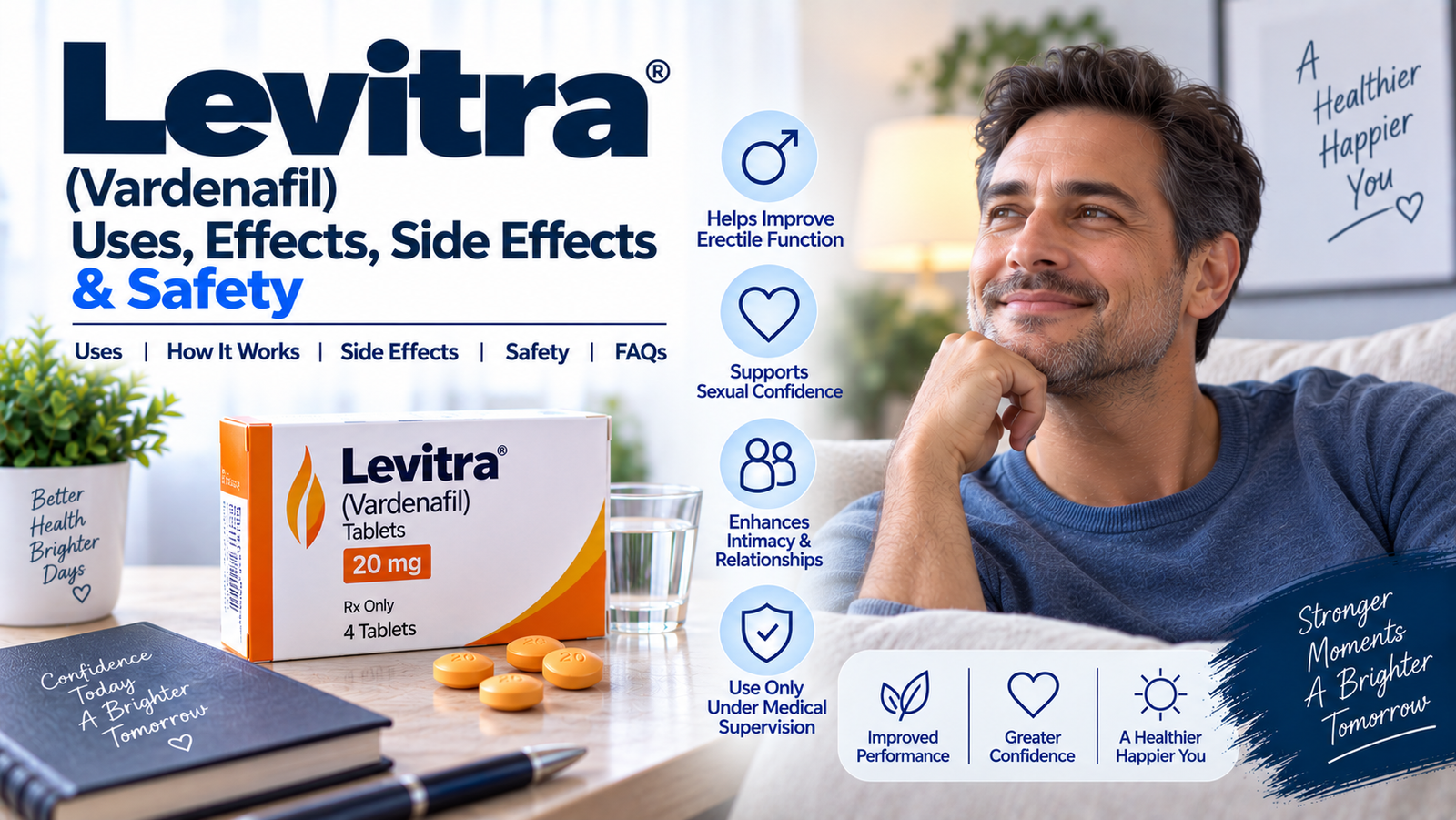
Levitra (Vardenafil): PDE-5 Inhibitor for Erectile Dysfunction — Uses, Effects & Safety
What Is Levitra (Vardenafil)? Levitra is the brand name associated…
-
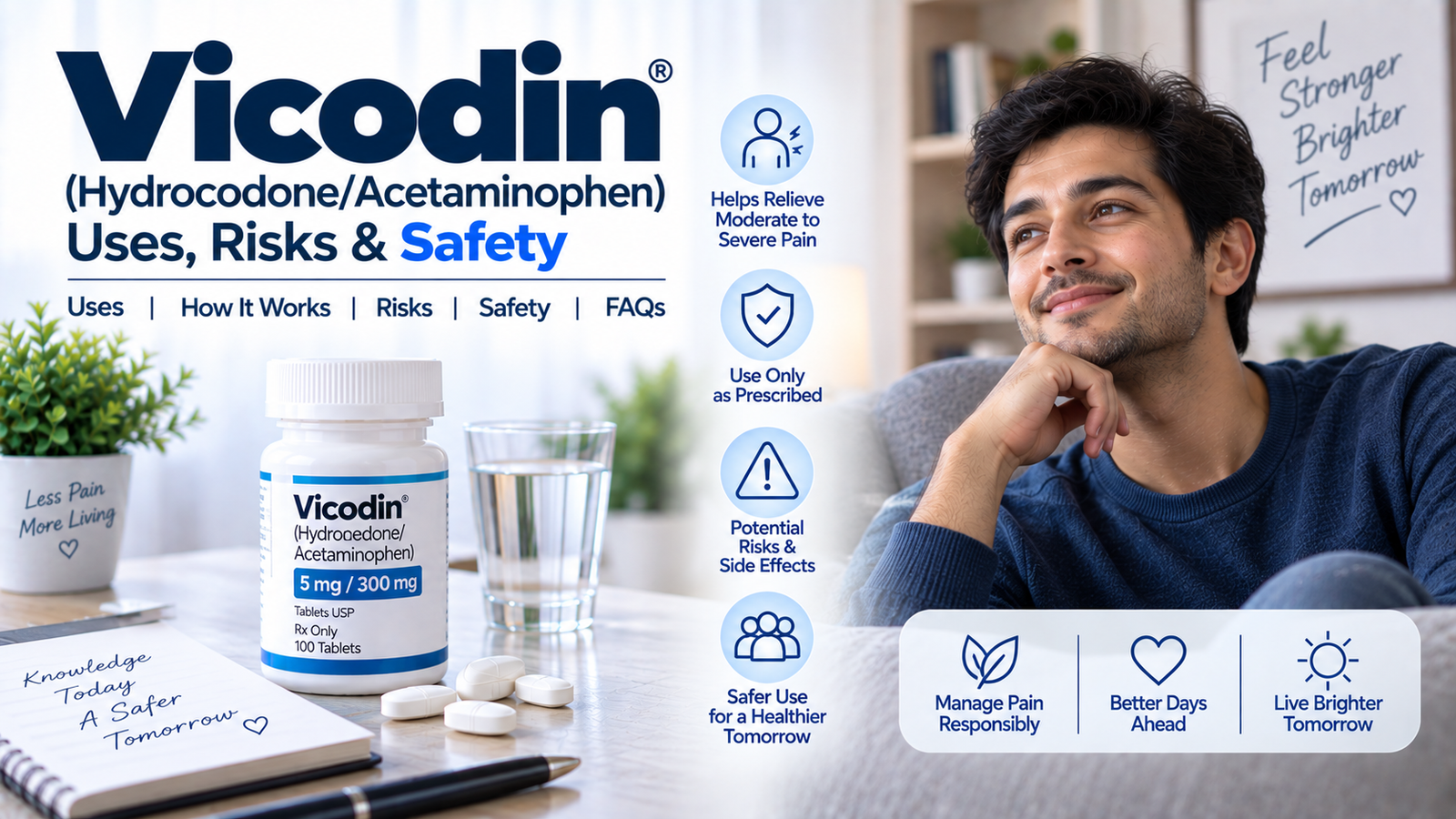
Vicodin (Hydrocodone/Acetaminophen): Opioid Combination for Moderate-to-Severe Pain — Uses & Safety
What Is Vicodin? Vicodin is a prescription combination pain medication…