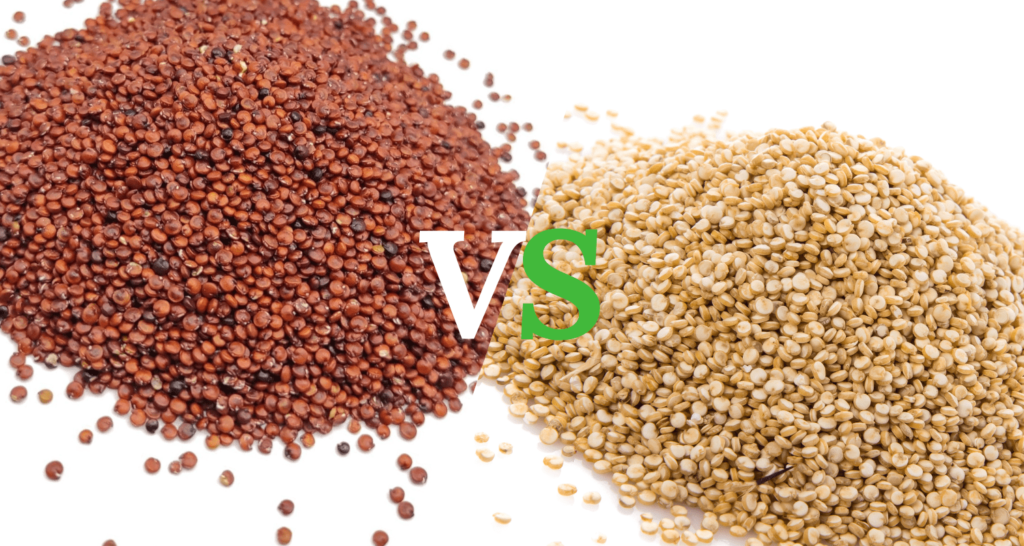
Did you know quinoa isn’t actually a grain?
It’s technically a seed, but it’s used like a whole grain—and it’s one of the most nutrient-dense plant foods you can add to your diet.
Among the many varieties grown worldwide, red quinoa and white quinoa are the most commonly available in U.S. grocery stores. While they look similar at first glance, they differ slightly in texture, antioxidant content, cooking behavior, and best uses in meals.
Here’s what really separates them—and which one might be better for your health goals.
Key Takeaways
- Both red and white quinoa are rich in plant protein and fiber
- Red quinoa contains slightly more antioxidants
- White quinoa cooks softer and faster
- Both varieties are naturally gluten-free
- Nutritionally, the differences are small—but useful depending on your needs
What Makes Quinoa So Healthy?
Quinoa comes from the plant Chenopodium quinoa and is considered a complete protein, meaning it contains all nine essential amino acids your body needs.
According to Harvard T.H. Chan School of Public Health, quinoa provides:
- high-quality plant protein
- fiber for digestion
- magnesium for muscle and nerve function
- iron for oxygen transport
- antioxidants that help reduce inflammation
Unlike many refined grains, quinoa supports stable blood sugar levels, making it a smart option for long-term metabolic health.
Red Quinoa vs White Quinoa: Main Differences at a Glance
| Feature | Red Quinoa | White Quinoa |
|---|---|---|
| Texture | Firmer, slightly chewy | Softer and fluffier |
| Flavor | Nutty, earthy | Mild, neutral |
| Cooking Time | Slightly longer | Faster |
| Antioxidants | Higher | Moderate |
| Best Uses | Salads, grain bowls | Breakfast bowls, sides |
Nutritionally, they’re extremely similar—but their texture and antioxidant levels differ slightly.
Nutrition Comparison: Red vs White Quinoa
Both varieties are excellent sources of plant-based nutrition, but here’s what research suggests about their subtle differences.
Protein Content
Quinoa contains about 8 grams of protein per cooked cup, according to United States Department of Agriculture data.
Contrary to popular belief online:
White quinoa is not significantly higher in protein than red quinoa.
Both are essentially equal.
Fiber Content
Fiber supports:
- digestive health
- cholesterol balance
- appetite control
- weight management
Red quinoa typically contains slightly more fiber, mainly because it retains more of its outer seed layer during processing.
Antioxidants
This is where red quinoa stands out.
Its color comes from anthocyanins, the same antioxidant compounds found in berries like blueberries.
Research published in food science journals shows red quinoa varieties often contain higher polyphenol levels, which may help reduce inflammation and oxidative stress.
Vitamins and Minerals
Both types provide similar amounts of:
- magnesium
- iron
- zinc
- phosphorus
- B vitamins
According to Cleveland Clinic nutrition guidance, magnesium in quinoa supports:
- muscle recovery
- heart rhythm stability
- blood pressure regulation
Taste and Texture Differences
This is usually the biggest deciding factor for home cooks.
Red quinoa tastes:
- nuttier
- slightly earthier
- firmer after cooking
Because it holds its shape well, it’s ideal for:
- salads
- grain bowls
- meal prep recipes
White quinoa tastes:
- lighter
- softer
- fluffier
It blends easily into:
- breakfast bowls
- soups
- side dishes
- baked recipes
Which One Is Better for Weight Management?
Both varieties support healthy weight goals because they:
- contain fiber that increases fullness
- provide protein that reduces cravings
- have a low glycemic impact compared to refined grains
Research summarized by Harvard Medical School shows high-fiber whole foods improve appetite regulation and metabolic health over time.
Red quinoa may offer a small advantage due to slightly higher fiber and antioxidants—but the difference is modest.
Consistency matters more than color choice.
Cooking Tips: How to Get Perfect Quinoa Every Time
For best results:
1 cup quinoa
2 cups water
Simmer 15–20 minutes
Steps:
- Rinse quinoa before cooking to remove natural bitterness from saponins
- Bring water to a boil
- Reduce heat and simmer covered
- Rest 5 minutes after cooking
- Fluff with a fork
Red quinoa may need 2–3 extra minutes compared to white quinoa.
Best Ways to Use Red vs White Quinoa in Meals
Try red quinoa in:
- roasted vegetable salads
- stuffed peppers
- grain bowls
- lunch meal prep containers
Try white quinoa in:
- breakfast bowls with fruit
- soups
- stir-fries
- healthy baking recipes
Both varieties work well as a rice substitute.
Is One Healthier Than the Other?
Here’s the honest science-based answer:
Both are excellent.
Choose red quinoa if you want:
- slightly more antioxidants
- firmer texture
- better salad performance
Choose white quinoa if you want:
- faster cooking
- softer texture
- milder flavor for versatile recipes
Most nutrition experts recommend simply rotating both.
Variety improves nutrient diversity.
Who Benefits Most From Adding Quinoa to Their Diet?
Quinoa is especially helpful for people who:
- follow vegetarian diets
- want higher plant protein intake
- avoid gluten
- want steady energy levels
- are working on heart health
According to American Heart Association guidance on whole grains, fiber-rich foods like quinoa support healthy cholesterol and cardiovascular function.
Final Verdict: Red vs White Quinoa
There isn’t a single “winner.”
Both varieties are nutrient-dense, versatile, and easy to prepare.
If your goal is maximum antioxidants, choose red quinoa.
If your goal is ease of cooking and flexibility, choose white quinoa.
Either way, adding quinoa regularly to meals supports long-term wellness—especially when paired with vegetables, lean protein, and healthy fats.