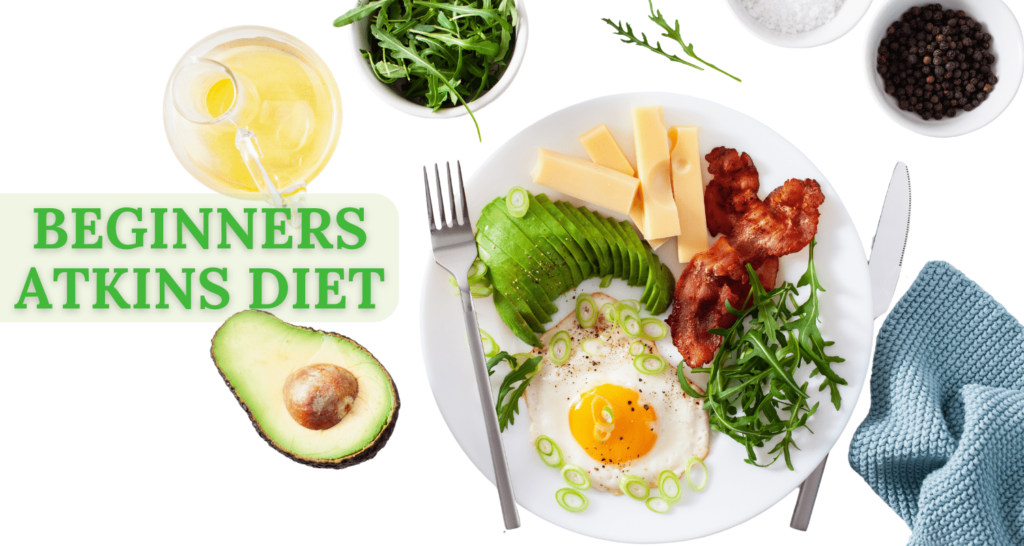
Did you know the Atkins Diet has helped millions of people reduce carbohydrate intake and support weight-loss goals since the 1970s?
If you’re new to low-carb eating, the Atkins approach offers a structured way to cut refined carbohydrates while focusing on protein, healthy fats, and vegetables. Many beginners find it easier to follow than calorie-counting diets because it emphasizes what to eat, not just how much.
Here’s how the Atkins Diet works—and what a beginner-friendly menu can look like.
Key Takeaways
- The Atkins Diet reduces carbohydrate intake gradually
- It emphasizes protein, vegetables, and healthy fats
- Beginners usually start with either Atkins 20 or Atkins 40
- The program progresses through four structured phases
- Meal planning improves long-term success
What Is the Atkins Diet?
The Atkins Diet is a low-carbohydrate eating plan designed to support weight loss and blood-sugar control by reducing refined carbs like:
- white bread
- sugary snacks
- soda
- pastries
Instead, meals focus on:
- lean proteins
- non-starchy vegetables
- healthy fats
- limited whole-food carbohydrates
According to Mayo Clinic guidance on low-carb diets, reducing carbohydrate intake can help lower blood sugar and support weight loss for many adults when done safely and consistently.
Does the Atkins Diet Put You Into Ketosis?
Sometimes—but not always.
Early stages of the Atkins Diet may place some people in ketosis, where the body burns fat instead of carbohydrates for energy. However, later phases gradually reintroduce carbohydrates, making Atkins different from strict ketogenic diets.
That’s why Atkins is considered a low-carb lifestyle plan, not purely a keto diet.
Choosing the Right Plan: Atkins 20 vs Atkins 40
The program offers two beginner-friendly options.
Atkins 20
Typically recommended for people who:
- want faster early weight loss
- have more weight to lose
- prefer a stricter low-carb structure
This version begins with about 20 grams of net carbs per day.
Atkins 40
Often better for people who:
- prefer more flexibility
- want a less restrictive start
- exercise regularly
- are closer to their goal weight
This version starts at 40 grams of net carbs per day.
A healthcare professional can help determine which option is safest based on your health needs.
The 4 Phases of the Atkins Diet Explained
The Atkins approach progresses gradually so the body can adapt.
Phase 1: Induction
This phase limits carbs to about 20 grams daily.
Focus foods include:
- eggs
- fish
- poultry
- leafy greens
- healthy oils
The goal is to reduce cravings and encourage early fat loss.
Phase 2: Ongoing Weight Loss
Carbohydrates increase slowly in small steps.
You can begin adding:
- nuts
- seeds
- berries
- additional vegetables
This helps identify your personal carbohydrate tolerance.
Phase 3: Pre-Maintenance
More carbohydrates return gradually as weight stabilizes.
People often reintroduce:
- whole grains
- fruits
- legumes
The focus shifts toward sustainability.
Phase 4: Lifetime Maintenance
This final stage supports long-term habits rather than short-term dieting.
Healthy routines typically include:
- balanced meals
- portion awareness
- regular physical activity
Beginner-Friendly Atkins Meal Prep Tips
Meal prep makes low-carb eating much easier.
Helpful strategies include:
- cooking proteins in batches
- chopping vegetables in advance
- keeping snacks ready
- planning weekly menus
Preparation reduces the temptation to rely on processed convenience foods.
Sample Atkins Diet Menu for Beginners
Here’s a simple example of a balanced beginner day.
Breakfast
Spinach and mushroom omelet with goat cheese
Snack
Celery sticks with almond butter
Lunch
Grilled chicken salad with mixed greens, cherry tomatoes, and avocado
Snack
Hard-boiled eggs
Dinner
Baked salmon with roasted Brussels sprouts and cauliflower rice
Optional Evening Snack
Greek yogurt with berries and sliced almonds
Meals like these provide:
- protein for fullness
- fiber from vegetables
- healthy fats for sustained energy
Health Benefits Linked to Low-Carb Diets
Research summarized by the American Heart Association and Harvard Medical School suggests lower-carbohydrate diets may help:
- reduce triglycerides
- improve blood-sugar control
- support weight loss
- reduce appetite
However, long-term success depends on food quality—not just carb reduction.
Important Safety Tips Before Starting Atkins
Low-carb diets are helpful for many people—but not everyone.
Talk with a healthcare professional before starting if you:
- have diabetes
- take blood-pressure medication
- have kidney disease
- are pregnant or breastfeeding
- are under age 18
Balanced planning matters.
For example, vegetables should remain a major part of your meals—even during lower-carb phases.
Common Beginner Mistakes to Avoid
Many people succeed faster by avoiding these pitfalls:
Skipping vegetables
Eating too little fiber
Relying heavily on processed “low-carb” snacks
Not drinking enough water
Ignoring portion sizes
Whole foods always work better than packaged diet substitutes.
Final Thoughts: Is the Atkins Diet Good for Beginners?
For many adults, the Atkins Diet provides a clear and structured way to start reducing refined carbohydrates without extreme calorie restriction.
When done correctly, it can support:
- weight management
- steady energy levels
- improved blood-sugar balance
- healthier eating habits
The key is focusing on nutrient-dense whole foods, not just cutting carbs.
Consistency—not perfection—drives long-term results.