Key Takeaways
- Heart attack symptoms in women are often subtle and different from the “classic” chest pain.
- Women ages 40–60 are at increased risk due to hormonal changes, stress, and lifestyle factors.
- Common missed signs include fatigue, nausea, shortness of breath, and jaw or back pain.
- Early recognition can save your life—don’t ignore unusual symptoms.
Why Women Often Miss Heart Attack Symptoms
When most people think of a heart attack, they picture sudden, intense chest pain. That’s common—but not always the reality for women.
In fact, many women experience less obvious symptoms, which can lead to delays in seeking care.
According to organizations like the American Heart Association and the Centers for Disease Control and Prevention, heart disease remains the leading cause of death among women in the U.S.
For women between 40 and 60, risk increases due to:
- perimenopause and menopause
- rising blood pressure or cholesterol
- stress and lifestyle changes
- underlying conditions like diabetes
10 Warning Signs Women Often Overlook
1. Unusual Fatigue
Feeling exhausted after a long day is normal. But extreme, unexplained fatigue—especially lasting days—can be an early warning sign.
Some women report feeling drained doing simple tasks like walking or climbing stairs.
2. Shortness of Breath
If you suddenly feel out of breath without physical exertion, it could be a sign your heart isn’t pumping effectively.
This may occur with or without chest discomfort.
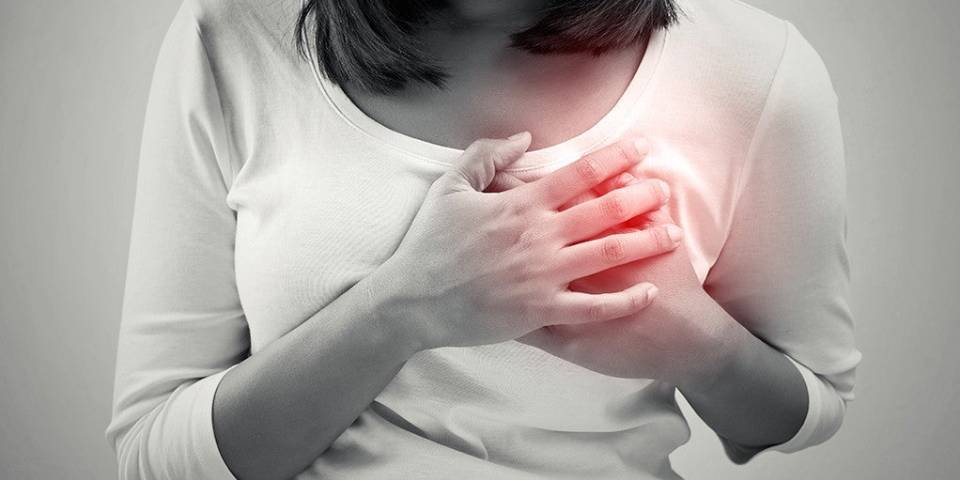
3. Chest Discomfort (Not Always Pain)
Women may feel:
- pressure
- tightness
- fullness
rather than sharp pain.
It may come and go or feel mild—but shouldn’t be ignored.
4. Pain in the Jaw, Neck, Back, or Shoulders
Unlike men, women often experience pain that radiates away from the chest.
Common areas include:
- jaw
- upper back
- neck
- shoulders
This pain may feel like tension or soreness.
5. Nausea or Vomiting
Heart-related nausea is often mistaken for:
- indigestion
- food poisoning
- stomach issues
If nausea appears suddenly—especially with other symptoms—pay attention.
6. Dizziness or Lightheadedness
Feeling faint or dizzy could signal reduced blood flow to the brain.
This symptom is easy to dismiss but can be serious when combined with others.
7. Cold Sweats
Breaking out in a sudden sweat—without exercise or heat—can be a red flag.
It may feel similar to a stress or anxiety response.
8. Sleep Disturbances
Many women report trouble sleeping weeks before a heart attack, including:
- insomnia
- waking frequently
- unusual restlessness
This symptom is often overlooked but worth noting.
9. Indigestion or Heartburn
Persistent or unusual digestive discomfort may actually be heart-related.
This is especially true if it:
- doesn’t improve with usual remedies
- occurs alongside fatigue or nausea
10. Anxiety or a Sense of Doom
Some women describe a sudden feeling that something is very wrong, even without clear physical symptoms.
This instinct shouldn’t be ignored.
Why These Symptoms Get Missed
Women often dismiss symptoms because they:
- seem mild or unrelated
- develop gradually
- mimic everyday issues (stress, aging, digestion)
There’s also a tendency to prioritize others’ health over their own, delaying care.
When to Seek Help Immediately
Call emergency services right away if you experience:
- chest discomfort lasting more than a few minutes
- shortness of breath
- pain spreading to arms, back, or jaw
- nausea, sweating, or dizziness
Even if symptoms feel mild—it’s better to be safe than sorry.
How to Reduce Your Risk
Simple lifestyle changes can significantly lower your risk of heart disease:
- maintain a balanced diet (rich in fruits, vegetables, whole grains)
- exercise regularly (at least 150 minutes per week)
- manage stress effectively
- get regular health checkups
- monitor blood pressure, cholesterol, and blood sugar
- avoid smoking
Final Thoughts
Heart attack symptoms in women don’t always look like what you see in movies.
For women aged 40–60, the signs are often quiet, gradual, and easy to ignore—but recognizing them early can save your life.
Listen to your body. If something feels off, don’t wait.