-

Hair Loss in Women: Causes at 30, 40, and 50—What’s Different Each Decade?
Finding more hair in your brush, shower drain, or on your pillow can be alarming at any age. While many…
-

Painful Sex After Menopause: Causes and Treatments That Work
Many women are surprised to discover that sex becomes uncomfortable or even painful after menopause. What was once an enjoyable…
-

Chronic Fatigue Syndrome: Is It Real, What Causes It, and How to Manage It
Feeling tired after a long day is normal. Feeling exhausted for months—no matter how much you rest—is not. For millions…
-

Carpal Tunnel Syndrome: Symptoms, Causes, and How to Treat It at Home
If your hands tingle, go numb, or feel weak—especially at night or while using your phone or keyboard—you may be…
-

Balance Problems After 50: Causes and Exercises to Prevent Falls
Feeling unsteady on your feet isn’t something to brush off as “just aging.” After 50, balance changes become more common—but…
-

Iron Deficiency Anemia in Women: Why It’s So Common and How to Fix It
Feeling constantly tired, dizzy, or short of breath—even after a full night’s sleep? For many women, especially between their teens…
-

Ovarian Cysts: When Are They Dangerous and When Should You Worry?
Hearing the words “ovarian cyst” can be scary—but in many cases, it’s not something to panic about. Most ovarian cysts…
-
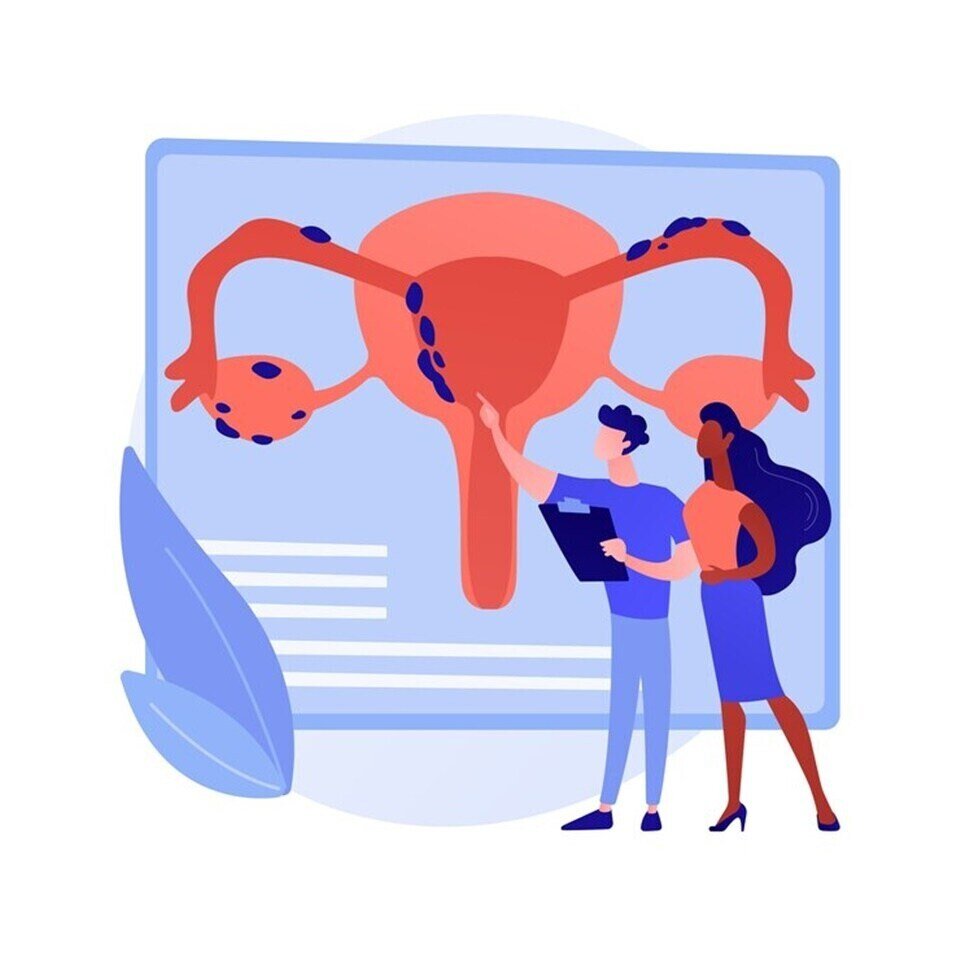
Endometriosis Pain vs Normal Period Pain: How to Tell the Difference
Most people expect some discomfort during their period. Cramps, fatigue, maybe a headache—it’s often considered “normal.” But what if the…
-
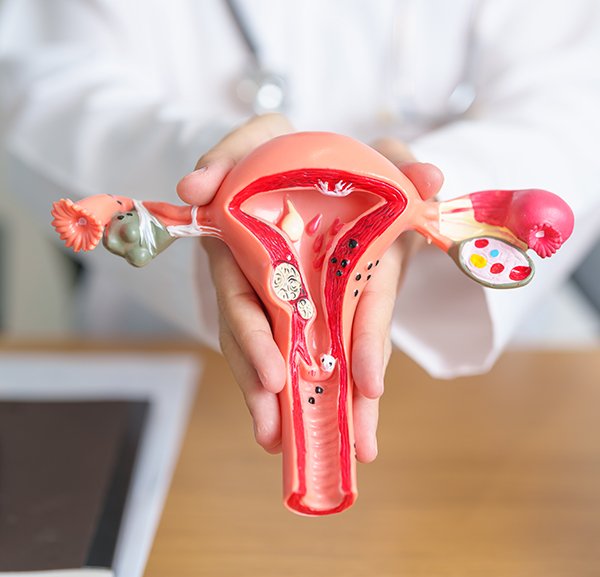
Uterine Fibroids: Symptoms, Causes, and Treatment Options Without Surgery
If you’ve been dealing with heavy periods, pelvic pressure, or constant bloating that doesn’t quite make sense, you’re not alone.…
-

Fibromyalgia Diet: Foods That Help Reduce Pain and Flare-Ups
Living with Fibromyalgia can feel unpredictable. One day you’re managing, the next you’re dealing with widespread pain, fatigue, and brain…
Latest Posts
-

Lorazepam: Benzodiazepine for Anxiety, Seizures & Sedation — Uses & Safety
What Is Lorazepam? Lorazepam is a prescription benzodiazepine medication that…
-
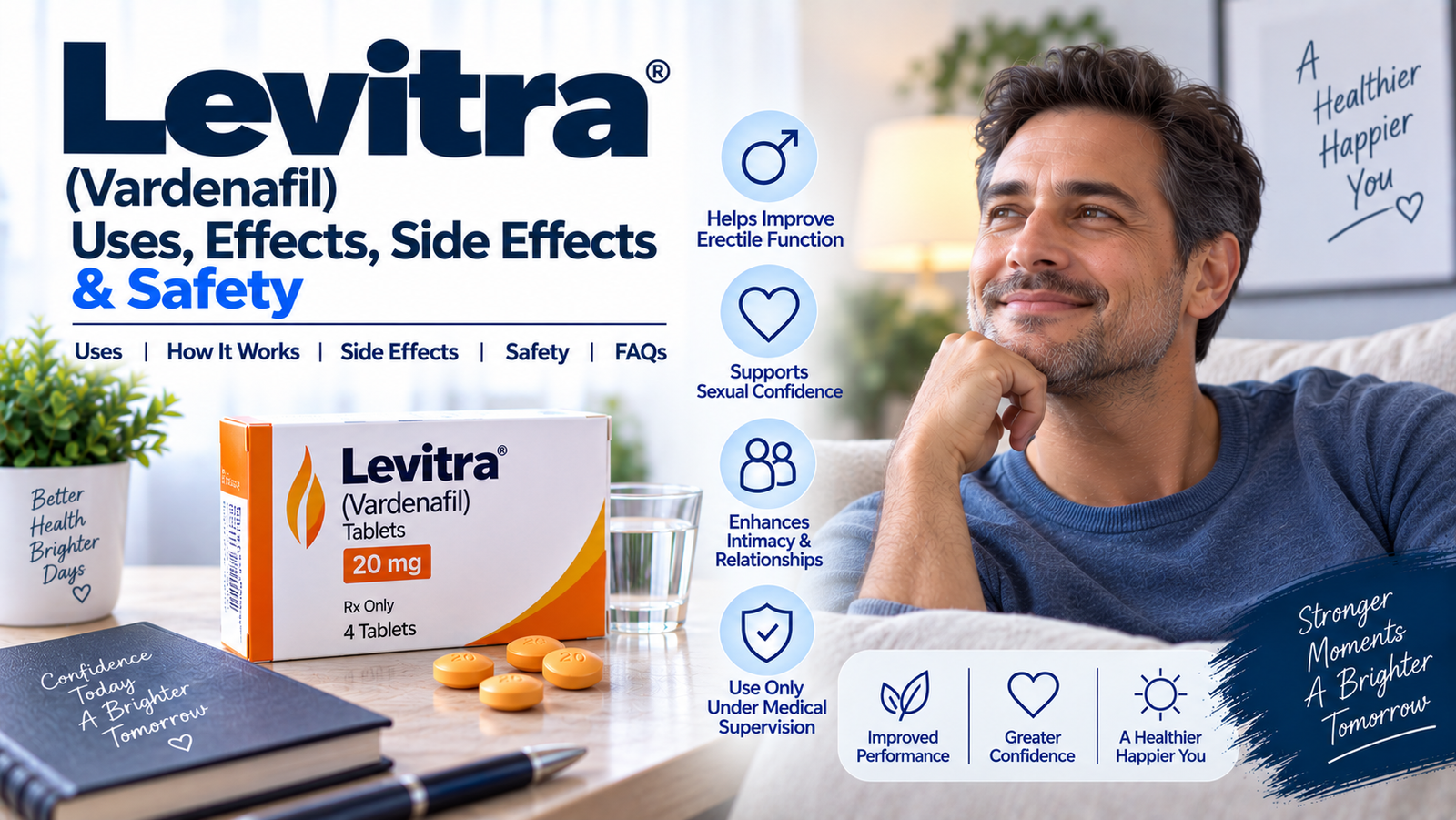
Levitra (Vardenafil): PDE-5 Inhibitor for Erectile Dysfunction — Uses, Effects & Safety
What Is Levitra (Vardenafil)? Levitra is the brand name associated…
-

Vicodin (Hydrocodone/Acetaminophen): Opioid Combination for Moderate-to-Severe Pain — Uses & Safety
What Is Vicodin? Vicodin is a prescription combination pain medication…