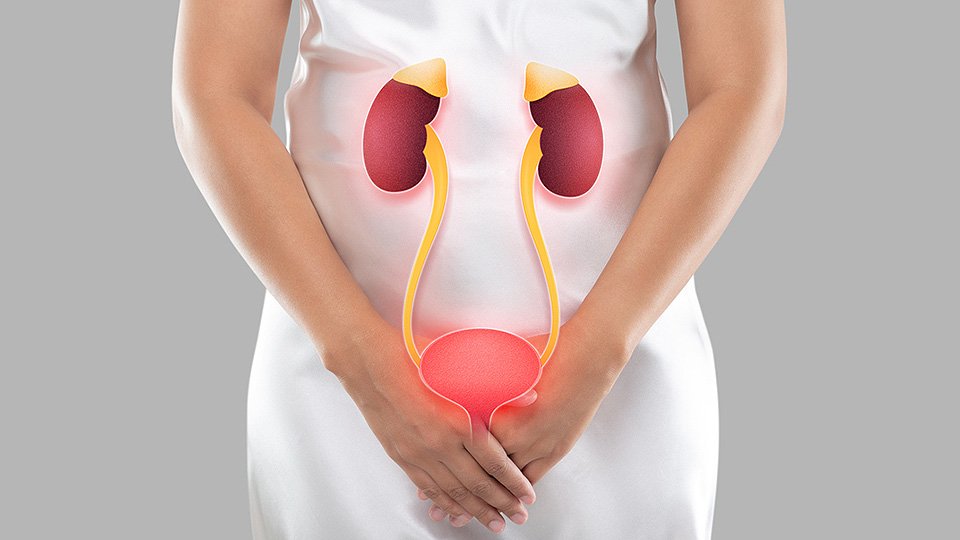
If you feel like you constantly have a urinary tract infection—but tests keep coming back negative—you’re not imagining things.
For many women, this frustrating cycle is actually caused by a lesser-known condition called interstitial cystitis (IC), also known as painful bladder syndrome. It’s often misdiagnosed as a recurring UTI, especially in women in their 20s to 50s.
Understanding the symptoms early can help you get the right diagnosis—and finally, some relief.
What Is Interstitial Cystitis?
Interstitial cystitis (IC) is a chronic condition that causes bladder pressure, pelvic pain, and frequent urination without an active infection.
Unlike a UTI, IC doesn’t show up on standard urine tests. That’s why many people go months—or even years—without answers.
According to the National Institute of Diabetes and Digestive and Kidney Diseases, IC affects millions of Americans, with women making up the majority of cases.
Common Symptoms of Interstitial Cystitis
IC symptoms can vary from person to person, but these are the most common signs:
1. Persistent Pelvic Pain
You may feel pressure, discomfort, or pain in your lower abdomen, bladder, or pelvic area.
It can range from mild to severe—and often worsens as your bladder fills.
2. Frequent Urination (Even Without Drinking Much)
People with IC may urinate 20–40 times a day in severe cases.
This isn’t about hydration—it’s a constant urge.
3. Urgency Without Relief
You feel like you have to go right now, but when you do, very little urine comes out—and the discomfort remains.
4. Pain During or After Sex
Many women with IC experience discomfort during intimacy, which is often mistaken for hormonal or gynecological issues.
5. Burning Sensation Without Infection
It can feel exactly like a UTI—burning, pressure, irritation—but urine tests come back normal.
Why IC Is Often Mistaken for UTIs
The overlap in symptoms is the main reason:
| Symptom | UTI | Interstitial Cystitis |
|---|---|---|
| Burning urination | ✔️ | ✔️ |
| Frequent urination | ✔️ | ✔️ |
| Urgency | ✔️ | ✔️ |
| Bacteria in urine | ✔️ | ❌ |
| Improves with antibiotics | ✔️ | ❌ |
Many women are repeatedly prescribed antibiotics—without improvement—before IC is considered.
What Causes Interstitial Cystitis?
The exact cause isn’t fully understood, but research points to several factors:
- A defect in the bladder lining
- Autoimmune responses
- Nerve hypersensitivity
- Chronic inflammation
Studies published in journals like the Journal of Urology and reviews supported by the American Urological Association suggest IC may involve multiple overlapping mechanisms—not just one single cause.
Triggers That Can Make Symptoms Worse
Certain foods and habits can flare up IC symptoms:
- Coffee and caffeine
- Alcohol
- Spicy foods
- Artificial sweeteners
- Stress
- Hormonal changes
Keeping a food and symptom journal can help identify your personal triggers.
How Is IC Diagnosed?
There’s no single test for IC. Doctors usually diagnose it by:
- Ruling out infections and other conditions
- Reviewing symptoms and medical history
- Performing a pelvic exam
- Sometimes using cystoscopy (bladder scope)
Because it mimics other conditions, diagnosis can take time.
What Actually Helps? (Realistic, Evidence-Based Options)
While there’s no permanent cure, many people manage IC effectively with a combination of approaches:
1. Lifestyle & Diet Changes
Avoiding trigger foods and managing stress can significantly reduce flare-ups.
2. Bladder Training
Gradually increasing the time between bathroom visits helps retrain your bladder.
3. Physical Therapy
Pelvic floor therapy can relieve tension and reduce pain—especially if muscles are involved.
4. Medications
Doctors may prescribe medications to reduce inflammation or calm nerve signals.
5. Stress Management
Research shows stress can worsen symptoms, so techniques like meditation and breathing exercises can help.
When to See a Doctor
Don’t ignore these signs:
- UTI-like symptoms that keep returning
- Negative urine tests despite symptoms
- Pain that affects your daily life
- No improvement with antibiotics
A specialist (usually a urologist) can help you get a proper diagnosis.
The Bottom Line
If you’ve been dealing with what feels like a never-ending UTI, it might be something else entirely.
Interstitial cystitis is real, common, and often overlooked—especially in women.
The good news? Once you know what you’re dealing with, you can take steps to manage it and feel better.