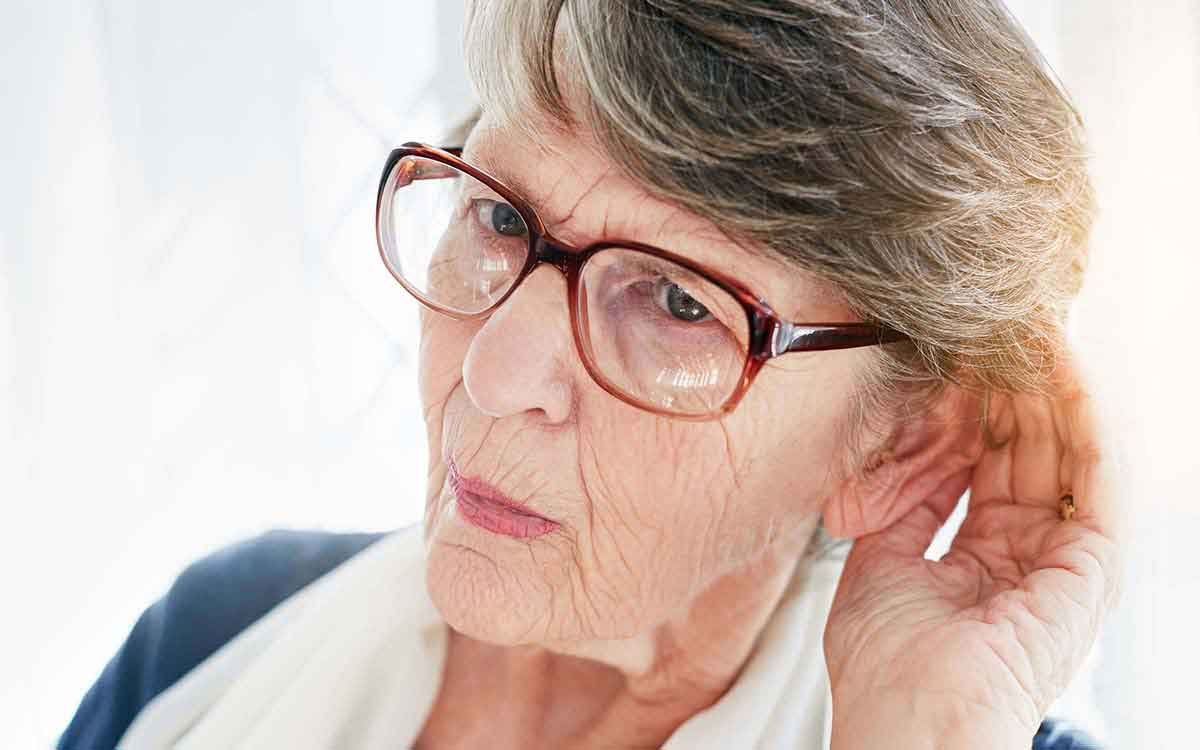
If you’ve been asking people to repeat themselves more often—or turning up the TV a little louder than everyone else—you may be noticing the early signs of Presbycusis.
Age-related hearing loss is one of the most common health conditions in the United States. According to the National Institute on Deafness and Other Communication Disorders, about one in three adults between ages 65 and 74 has hearing loss, and nearly half of those over 75 are affected. What many people don’t realize is that it often begins much earlier—sometimes as early as your 40s or 50s.
The challenge is that hearing loss tends to develop gradually, making it easy to overlook until it starts affecting your daily life.
Early Signs Hearing Loss Is Starting
Hearing loss rarely happens suddenly. Instead, it shows up in subtle ways that can be mistaken for distractions or normal aging.
You might notice:
- Conversations sound muffled or unclear, even when people aren’t speaking softly
- Difficulty following conversations in restaurants or group settings
- Frequently asking others to repeat themselves
- Needing higher volume on the TV or phone than others prefer
- Trouble hearing higher-pitched voices, such as women or children
- Phone conversations becoming harder to understand without visual cues
These signs often appear slowly, which is why many people delay getting help.
Why Hearing Loss Happens With Age
Hearing depends on delicate structures in your inner ear and how your brain processes sound. Over time, several factors can affect this system:
Natural Wear and Tear
Tiny hair cells in the inner ear gradually become damaged and do not regenerate, reducing your ability to detect sound clearly.
Long-Term Noise Exposure
Years of exposure to loud environments—whether from work, traffic, concerts, or headphones—can accelerate hearing loss.
Chronic Health Conditions
Conditions such as High Blood Pressure and Diabetes can affect blood flow to the inner ear, impacting hearing over time.
Medications
Some medications can damage hearing as a side effect, especially with long-term use.
Why It’s Important Not to Ignore It
Hearing loss is not just about sound—it affects overall health and quality of life.
Research from Johns Hopkins University has found that untreated hearing loss is associated with:
- Increased risk of social isolation
- Higher rates of depression
- Greater likelihood of cognitive decline and dementia
When hearing becomes difficult, the brain receives less stimulation, which may contribute to these broader health concerns.
What You Can Do to Protect Your Hearing
The good news is that early action can make a meaningful difference.
Get a Hearing Test
If you’re over 40 or noticing symptoms, a baseline hearing test can help detect changes early—even before they become obvious.
Protect Your Ears
- Use ear protection in loud environments
- Keep headphone volume at safe levels
- Take breaks from continuous noise exposure
Manage Your Health
Controlling blood pressure, blood sugar, and cholesterol supports healthy circulation, including to the ears.
Consider Hearing Aids Early
Modern hearing aids are smaller and more advanced than ever. Early use can improve sound clarity and help your brain stay engaged with speech and conversation.
Stay Mentally and Socially Active
Regular conversations, reading, and social interaction help your brain process sound more effectively.
When to See a Doctor
You should seek medical advice if you experience:
- Sudden or rapid hearing loss
- Persistent ringing in the ears, known as Tinnitus
- Ongoing difficulty understanding speech, even in quiet settings
A hearing specialist can determine the cause and recommend appropriate treatment options.
The Bottom Line
Age-related hearing loss is common, but it’s not something you should ignore or simply accept as part of aging.
Recognizing the early signs and taking action can help you:
- Maintain clear communication
- Stay socially connected
- Protect long-term brain health
If you’ve noticed subtle changes in your hearing, addressing them early can significantly improve your quality of life.