Vaping was once marketed as a “safer alternative” to smoking—but after several years of real-world data, the picture is much clearer. While e-cigarettes may expose users to fewer toxic chemicals than traditional cigarettes, they are far from harmless—especially for teens and young adults.
Here’s what current research and public health experts in the U.S. say about the real health effects of vaping.
What Is Vaping, Really?
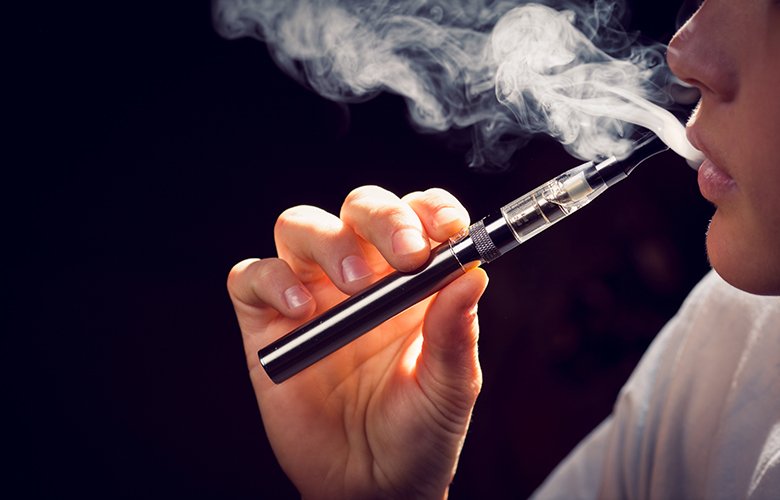
Vaping involves inhaling an aerosol (often called “vapor”) produced by an electronic device. This aerosol typically contains:
- Nicotine (in most products)
- Flavoring chemicals
- Fine particles that enter the lungs
- Heavy metals like lead and nickel
- Volatile organic compounds (VOCs)
Unlike water vapor, this mixture can affect multiple systems in your body.
1. Lung Health: Not as Safe as You Think
Early assumptions suggested vaping was gentle on the lungs—but newer studies show otherwise.
What research shows:
- Vaping can irritate airways and cause inflammation
- It may worsen conditions like asthma
- Some users develop a condition known as EVALI, which can be severe and even life-threatening
Even without extreme cases, regular vaping has been linked to coughing, wheezing, and reduced lung function over time.
2. Nicotine Addiction Happens Faster Than You Expect
Most vaping products contain nicotine—even ones labeled as “light” or “casual use.”
Why this matters:
- Nicotine is highly addictive
- It changes how your brain develops (especially under age 25)
- It can increase anxiety, irritability, and mood swings
Many teens who start vaping don’t realize how quickly dependence can build.
3. Heart Health Risks Are Emerging
Vaping affects your cardiovascular system more than people initially thought.
Key findings:
- Nicotine raises heart rate and blood pressure
- Chemicals in vapor may damage blood vessels
- Long-term use may increase the risk of heart disease
While more long-term studies are ongoing, early data is raising concerns among U.S. health experts.
4. Brain Development in Teens
This is one of the biggest concerns for younger users.
Nicotine exposure during adolescence can:
- Affect memory and attention
- Increase risk of anxiety and depression
- Make the brain more sensitive to other addictions
Since the brain continues developing into the mid-20s, vaping during teen years can have lasting effects.
5. Gateway Effect: From Vaping to Smoking
One major concern in the U.S. is that vaping may lead to cigarette use.
What studies suggest:
- Teens who vape are more likely to try traditional cigarettes later
- Nicotine addiction from vaping can make switching to smoking easier
So while vaping was intended as a smoking alternative, it may actually increase overall nicotine use among young people.
6. Chemical Exposure Is Still a Problem
Even without tobacco, vaping exposes you to potentially harmful substances.
Some flavoring chemicals (like diacetyl) have been linked to lung damage. Others may produce toxic compounds when heated.
The long-term effects of inhaling these chemicals daily are still being studied—but early signals are not reassuring.
7. Secondhand Vapor Isn’t Harmless
People around you can also be affected.
Secondhand vapor may expose others to:
- Nicotine
- Fine particles
- Toxic chemicals
While less harmful than cigarette smoke, it’s still not risk-free—especially for kids and people with respiratory issues.
Is Vaping Ever “Safer”?
For adult smokers trying to quit cigarettes, some experts say vaping may be a less harmful alternative—but not a safe one.
For teens, non-smokers, or occasional users:
- There is no health benefit
- Risks clearly outweigh any perceived advantage
Warning Signs Vaping Is Affecting Your Health
Pay attention if you notice:
- Shortness of breath or chest tightness
- Persistent cough
- Increased anxiety or irritability
- Trouble concentrating
- Strong cravings or difficulty stopping
These can signal both physical and psychological effects.
What You Can Do
If you vape and want to cut back or stop:
- Gradually reduce nicotine levels
- Avoid triggers (stress, boredom, social cues)
- Stay active and hydrated
- Talk to a healthcare provider if needed
For teens especially, early action makes quitting much easier.
The Bottom Line
After several years of data, one thing is clear: vaping is not harmless.
It may be less toxic than smoking—but it still affects your lungs, heart, brain, and overall health. For young people, the risks are even more serious due to brain development and addiction.
If you’re thinking about vaping—or already doing it—it’s worth stepping back and asking: is it really worth the trade-off?