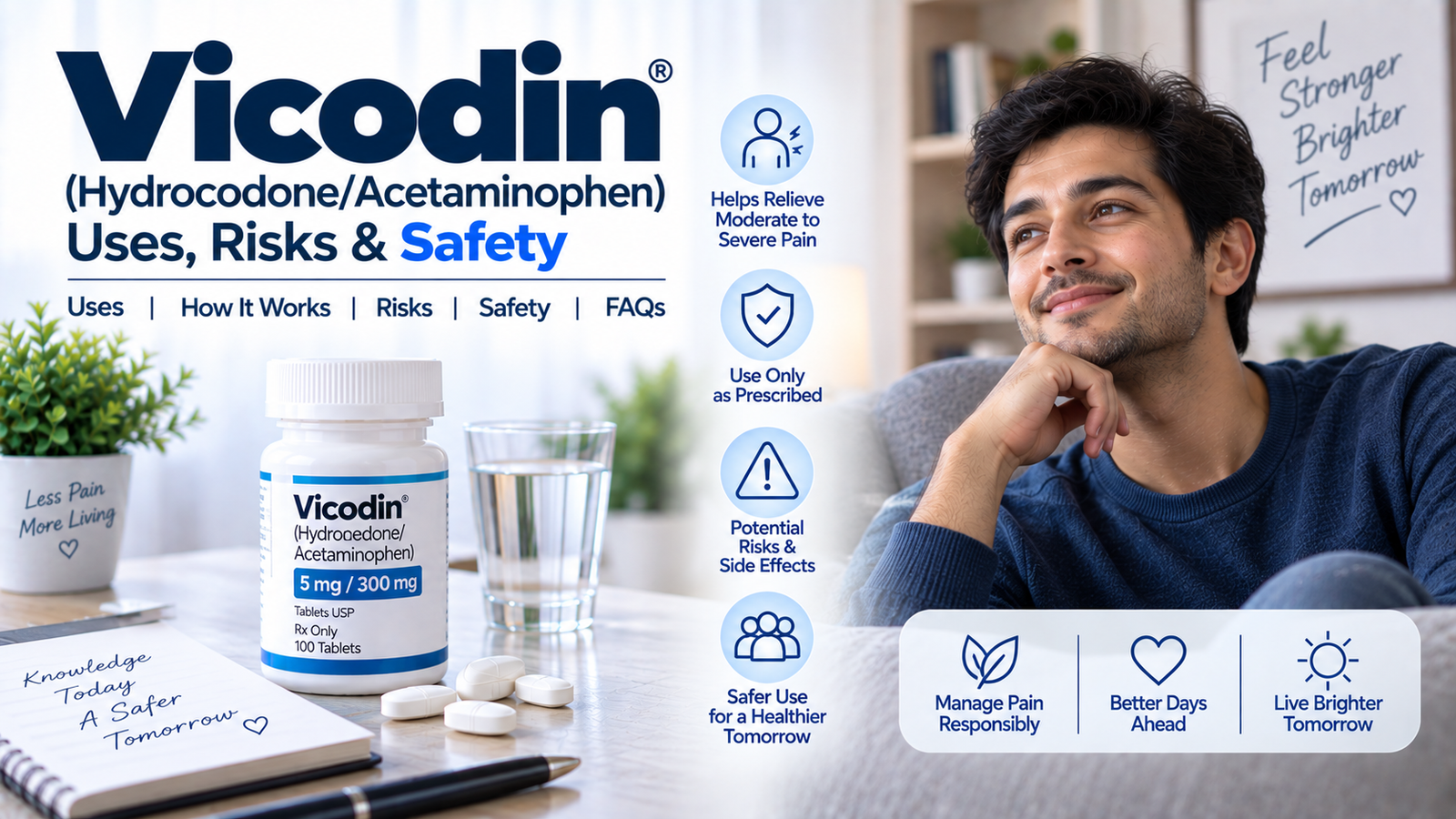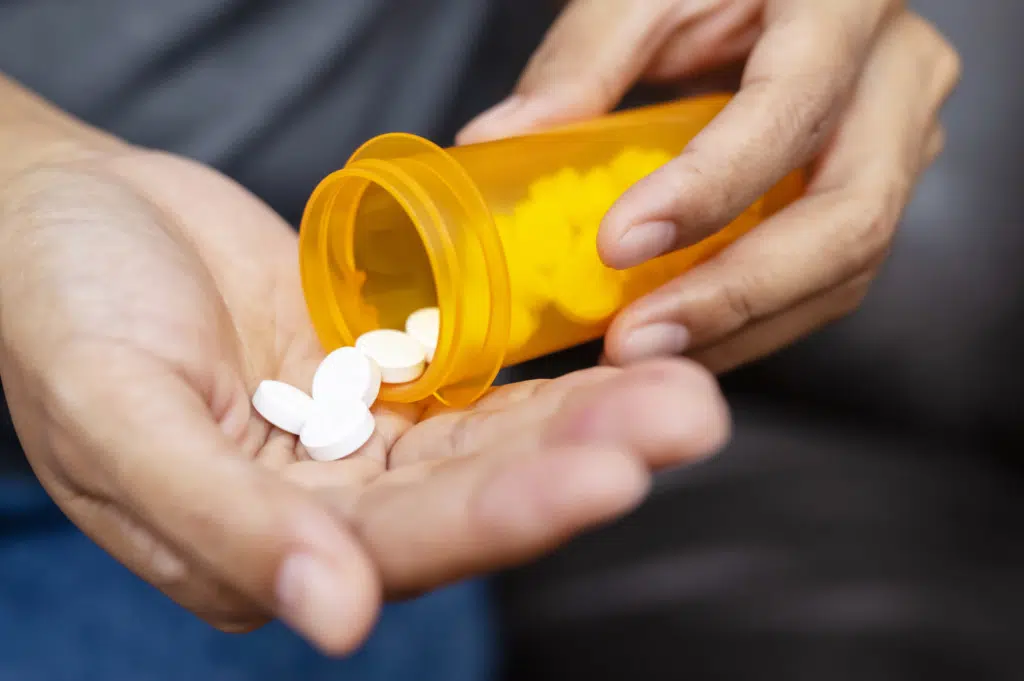
Opioids—whether prescription painkillers like oxycodone or illicit drugs like heroin—can be highly effective for pain relief. But they also carry a serious risk: dependence. In the United States, opioid misuse has affected millions of families, and recognizing early warning signs can make a life-saving difference.
What Is Opioid Dependence?
Opioid dependence is a condition where the body adapts to the drug, leading to:
- Tolerance (needing more to feel the same effect)
- Withdrawal symptoms when not using
- A growing reliance on opioids to function normally
It’s closely related to Opioid Use Disorder, a medical condition that requires proper treatment—not judgment.
Early Warning Signs You Might Miss
Dependence often develops gradually. These early signs can be subtle:
1. Increasing Tolerance
- Needing higher doses for the same pain relief
- Feeling that the medication “doesn’t work like it used to”
2. Preoccupation With Medication
- Thinking about your next dose frequently
- Feeling anxious if you might run out
3. Using More Than Prescribed
- Taking extra doses or using someone else’s prescription
- Using opioids for reasons other than pain (e.g., stress, sleep)
Physical Signs of Opioid Dependence
Your body often shows clear signals:
- Drowsiness or “nodding off”
- Constricted (small) pupils
- Slowed breathing
- Nausea or constipation
- Flu-like symptoms during withdrawal (sweating, chills, body aches)
Behavioral and Emotional Changes
These changes are often the most noticeable to others:
Changes in Behavior
- Doctor shopping or visiting multiple pharmacies
- Withdrawing from family, friends, or responsibilities
- Declining performance at work or school
Emotional Shifts
- Mood swings or irritability
- Increased anxiety or depression
- Loss of interest in hobbies or daily activities
Signs in a Loved One
If you’re concerned about someone else, watch for patterns—not just one symptom.
- Sudden financial issues or missing money
- Secretive behavior or lying about medication use
- Changes in sleep patterns (sleeping too much or too little)
- Unexplained health issues or frequent “flu-like” symptoms
When Dependence Becomes Dangerous
Dependence can escalate into overdose risk, especially when:
- Mixing opioids with alcohol or sedatives
- Taking higher doses than usual
- Returning to use after a period of stopping (lower tolerance increases overdose risk)
The Centers for Disease Control and Prevention reports that opioid overdoses remain a leading cause of accidental death in the U.S.
Why People Often Miss the Signs
- Opioids are often legally prescribed, which can create a false sense of safety
- Dependence can develop even when taking medication as directed
- Stigma leads people to hide symptoms or avoid seeking help
What to Do If You Notice These Signs
If It’s You:
- Talk to a healthcare provider honestly about your use
- Don’t stop suddenly—withdrawal can be severe
- Ask about safer alternatives and treatment options
If It’s a Loved One:
- Approach with concern, not judgment
- Avoid confrontation during intoxication
- Encourage professional help and support
Effective Treatment Options
Opioid dependence is treatable, and recovery is possible.
Common approaches include:
- Medication-assisted treatment (MAT) using drugs like
- Buprenorphine
- Methadone
- Naltrexone
- Behavioral therapy and counseling
- Support groups and recovery programs
The Substance Abuse and Mental Health Services Administration emphasizes that combining medication with therapy leads to better outcomes.
When to Seek Immediate Help
Call emergency services if someone shows signs of overdose:
- Slow or stopped breathing
- Blue lips or fingertips
- Unresponsiveness or unconsciousness
Having naloxone (an opioid overdose reversal medication) available can save lives.
Bottom Line
Opioid dependence doesn’t always look dramatic at first—it often starts quietly. Recognizing early signs like increased tolerance, behavioral changes, and emotional shifts can help you or someone you care about get help before it becomes life-threatening.
The most important step is not ignoring the signs. Early action can lead to recovery—and recovery is absolutely possible.