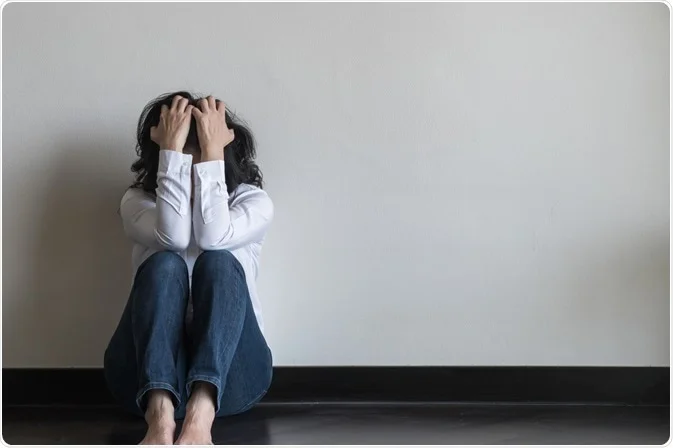
Panic Disorder and panic attacks are closely related, but they are not the same thing. Many people experience a panic attack at some point in life, especially during periods of extreme stress or fear. Panic disorder, however, involves recurring panic attacks along with persistent fear and behavioral changes that can disrupt daily life.
Understanding the difference is important because panic symptoms are often misunderstood, misdiagnosed, or mistaken for physical health emergencies.
What Is a Panic Attack?
A panic attack is a sudden wave of intense fear or discomfort that reaches its peak within minutes.
Panic attacks can happen:
- During stress or danger
- Unexpectedly without warning
- During sleep in some cases
The National Institute of Mental Health describes panic attacks as episodes involving sudden physical and emotional symptoms that may feel overwhelming.
Common Symptoms of a Panic Attack
Symptoms can feel extremely physical and frightening.
Physical symptoms may include:
- Rapid heartbeat
- Chest pain
- Shortness of breath
- Sweating
- Shaking or trembling
- Dizziness
- Nausea
- Tingling sensations
Emotional symptoms may include:
- Intense fear
- Feeling out of control
- Fear of dying
- Fear of “going crazy”
Many people believe they are having a heart attack during their first panic attack.
How Long Does a Panic Attack Last?
Most panic attacks peak within:
- 10–20 minutes
However, lingering anxiety and exhaustion may continue afterward.
What Is Panic Disorder?
Panic disorder is a chronic mental health condition involving:
- Recurrent unexpected panic attacks
- Ongoing fear about future attacks
- Behavioral changes caused by that fear
This fear can become life-disrupting.
People with panic disorder often begin avoiding places or situations where they worry a panic attack could happen.
Key Difference: Frequency and Fear
Panic Attack
- Can happen once or occasionally
- May occur during major stress
- Does not automatically mean someone has a disorder
Panic Disorder
- Repeated panic attacks
- Persistent anxiety about future attacks
- Daily life becomes affected by avoidance and fear
Signs Panic Disorder May Be Developing
1. Constant Fear of Another Attack
People may spend large amounts of time worrying:
- “What if it happens again?”
- “What if I panic in public?”
This ongoing fear becomes part of the disorder itself.
2. Avoiding Certain Places
Some adults avoid:
- Driving
- Crowded stores
- Airplanes
- Public transportation
- Being alone
Avoidance behaviors can gradually limit independence.
3. Hyperawareness of Body Sensations
Small physical changes may trigger intense fear:
- Increased heart rate
- Dizziness
- Tight chest sensations
People may constantly monitor their body for signs of danger.
4. Repeated ER or Doctor Visits
Many individuals with panic disorder seek repeated medical testing because symptoms feel so physically real.
This is extremely common.
What Causes Panic Disorder?
The exact cause is not fully understood, but factors may include:
- Genetics
- Chronic stress
- Trauma history
- Brain chemistry differences
- Other anxiety disorders
Sometimes panic disorder develops after a particularly stressful life event.
Panic Disorder vs Heart Problems
Because symptoms overlap, chest pain or shortness of breath should never automatically be assumed to be anxiety.
Seek medical evaluation if symptoms are:
- New
- Severe
- Unexplained
A healthcare provider can rule out physical causes before diagnosing panic disorder.
What Actually Helps Panic Disorder
Panic disorder is highly treatable.
1. Cognitive Behavioral Therapy (CBT)
CBT is one of the most effective treatments.
It helps people:
- Understand panic cycles
- Reduce catastrophic thinking
- Respond differently to physical sensations
2. Exposure Therapy
This involves gradually facing feared situations or sensations in a safe, controlled way.
Over time, this can reduce fear and avoidance behaviors.
3. Medication
Some people benefit from medications such as:
- SSRIs
- Anti-anxiety medications
Treatment decisions should always be guided by a healthcare professional.
4. Lifestyle Habits That Support Recovery
Helpful habits include:
- Regular sleep
- Limiting excess caffeine
- Exercise
- Stress management
- Breathing and grounding techniques
While these alone may not “cure” panic disorder, they can reduce symptom intensity.
When to Seek Help
Talk with a healthcare or mental health professional if:
- Panic attacks become frequent
- Fear of attacks controls your behavior
- Symptoms interfere with work or relationships
- You avoid normal activities because of anxiety
Early treatment often improves outcomes significantly.
Bottom Line
A panic attack is a sudden episode of intense fear that many people may experience occasionally. Panic disorder, however, involves repeated attacks combined with ongoing fear and life disruption.
Because symptoms can feel physically overwhelming, panic disorder is often misunderstood. With proper treatment, therapy, and support, many people learn to manage symptoms and regain confidence in everyday life.